Arab-Sasanian & Early Islamic
Qarakhanid Multiple Dirham — Samarqand
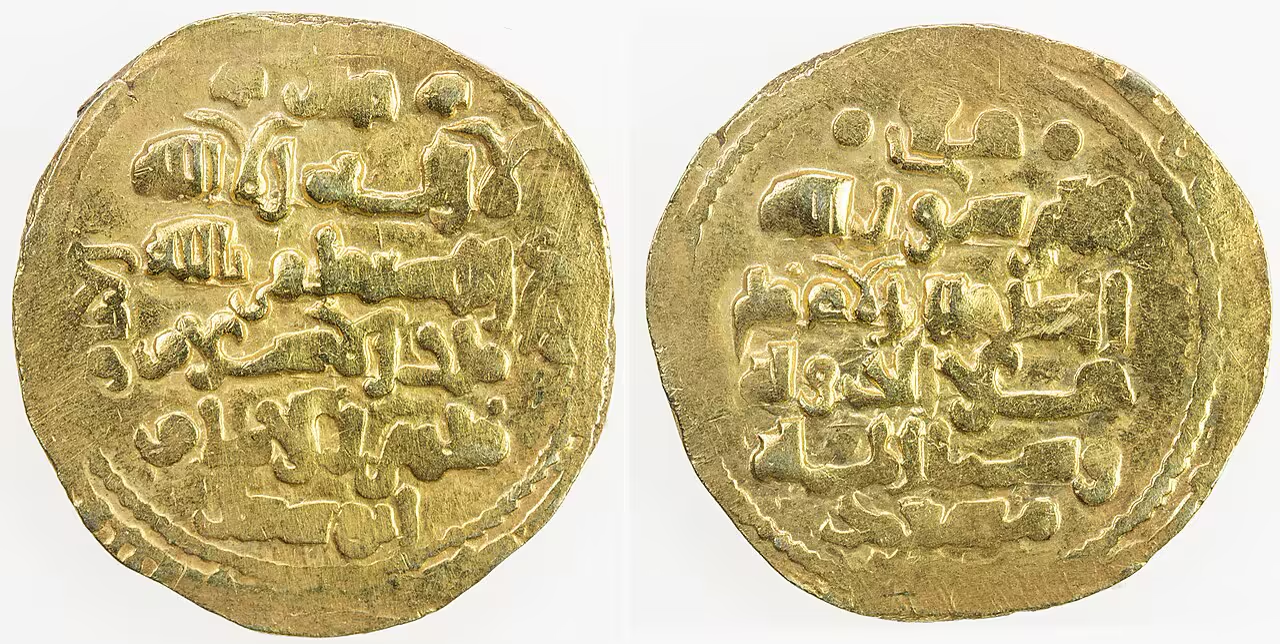
First major Turkic Islamic dynasty east of the Oxus. Their billon dirhams reflect the chronic silver shortage ('silver famine') that plagued the eastern Islamic world from the late 10th century. Image: related Ghaznavid gold dinar.
| Date | AH 415–425 / 1024–1034 CE |
|---|---|
| Ruler / issuer | Qadir Khan Yusuf |
| Mint | Samarqand |
| Metal | Billon silver |
| Weight | ~5.5 g |
| Era | Arab-Sasanian & Early Islamic (651 – 1258 CE) |
| Region | Caliphate provinces of Iran |
Obverse and reverse
Obverse
Shahada with Qarakhanid Turko-Islamic titles.
Reverse
Ruler's tamgha (tribal sigil) alongside Caliph al-Qa'im's name.
Historical context — Arab-Sasanian & Early Islamic
Arab governors continued striking Sasanian-style drachms with added Arabic Kufic legends (bismillah). Abd al-Malik's reform (696/77 AH) introduced epigraphic-only Islamic coinage — the silver dirham and gold dinar.
Read the full Arab-Sasanian & Early Islamic essay →Frequently asked
- What is the Qarakhanid Multiple Dirham — Samarqand?
- First major Turkic Islamic dynasty east of the Oxus. Their billon dirhams reflect the chronic silver shortage ('silver famine') that plagued the eastern Islamic world from the late 10th century. Image: related Ghaznavid gold dinar. It was struck in AH 415–425 / 1024–1034 CE at Samarqand under Qadir Khan Yusuf.
- What metal and weight is it?
- Billon silver, weighing approximately ~5.5 g.
- What designs appear on it?
- Obverse: Shahada with Qarakhanid Turko-Islamic titles. Reverse: Ruler's tamgha (tribal sigil) alongside Caliph al-Qa'im's name.