Ancient Persian coins
& Iranian banknotes,
twenty-six centuries.
From the Median silver bar and the gold Daric of Darius, through Sasanian fire-altar drachms, Safavid abbasis and the Lion-and-Sun of the Qajars, to the banknotes of the Islamic Republic — a comprehensive, sourced catalogue.
A chronology in metal

Pre-Achaemenid & Median
Before struck coinage, value moved as silver bullion (hacksilber), bent bars, and Elamite weight-pieces. Lydian electrum staters reached the Iranian plateau via Anatolian trade in the 7th century BCE.
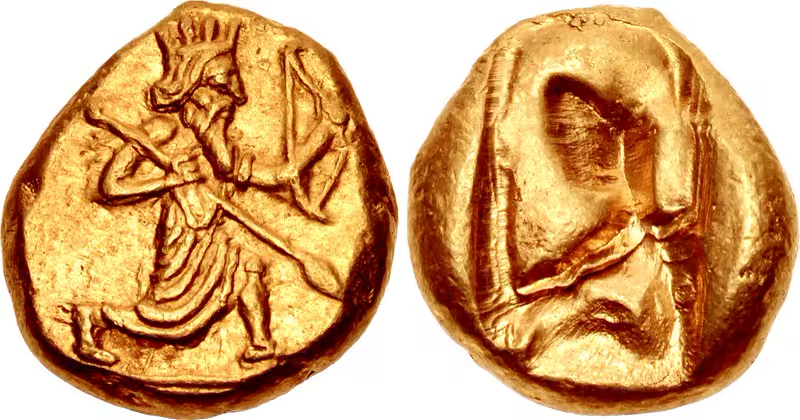
Achaemenid Empire
Darius I (522–486 BCE) reformed imperial coinage, issuing the gold Daric and silver Siglos. Bearing the running or kneeling archer-king, they are among the most iconic ancient coins.
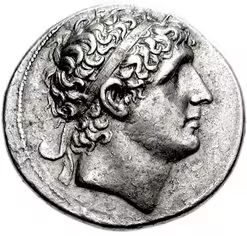
Seleucid Persia
After Alexander's death, Seleucus I and successors struck Hellenistic tetradrachms across Persian mints — Susa, Ecbatana, Persepolis, Seleucia-on-the-Tigris.
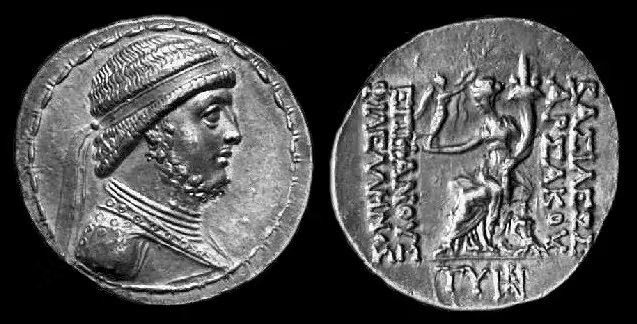
Parthian (Arsacid) Empire
The Arsacid kings issued silver drachms and bronze chalkoi at Ecbatana, Seleucia, Susa, Mithradatkart and Rhagae. Reverse types are remarkably consistent: the seated archer Arsaces.
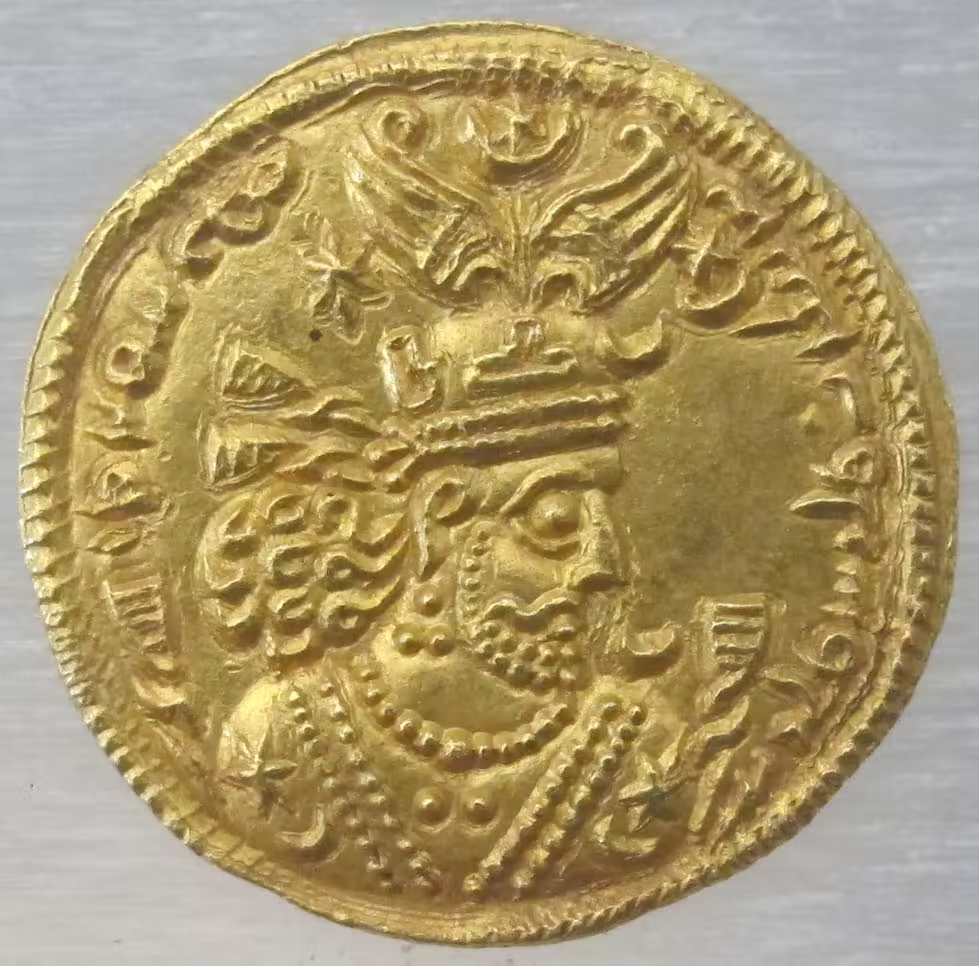
Sasanian Empire
The Sasanians produced the most artistically consistent and historically informative ancient coinage: thin, broad silver drachms with the king's crown on obverse and a Zoroastrian fire altar on reverse.
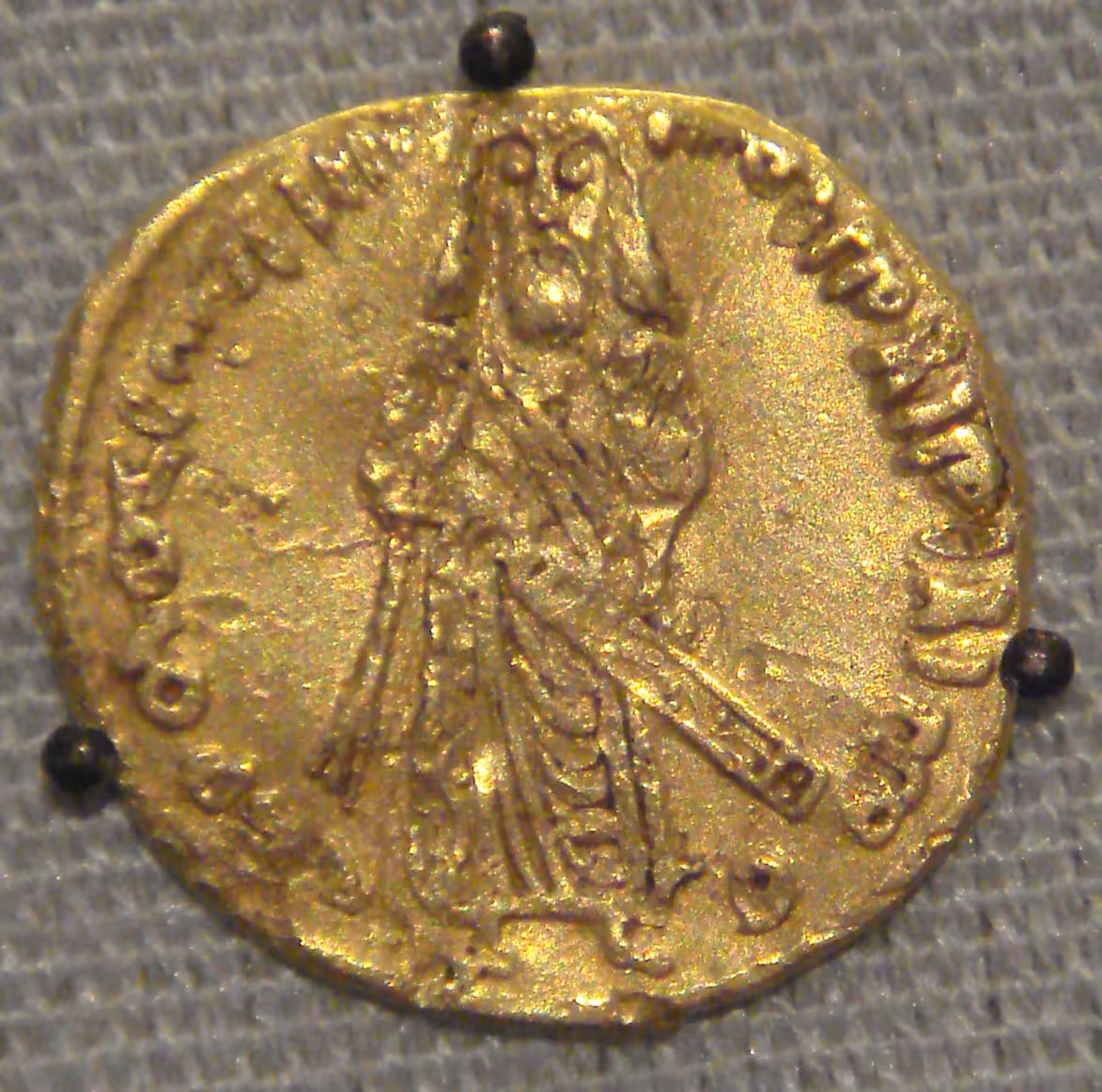
Arab-Sasanian & Early Islamic
Arab governors continued striking Sasanian-style drachms with added Arabic Kufic legends (bismillah). Abd al-Malik's reform (696/77 AH) introduced epigraphic-only Islamic coinage — the silver dirham and gold dinar.
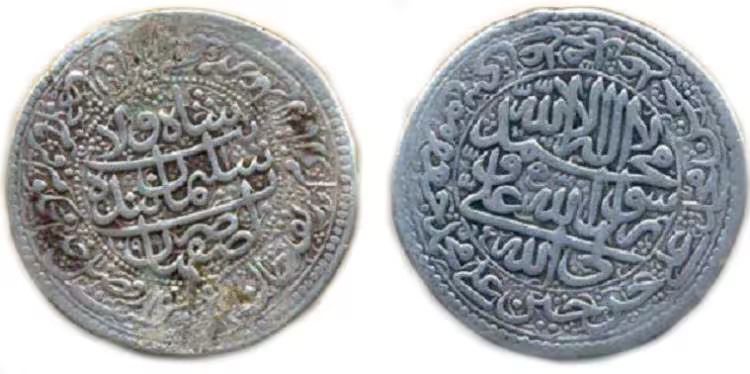
Timurid & Safavid
Timurid rulers struck shahrukhi silver coins, Safavid shahs introduced the abbasi and shahi denominations with exquisite Nastaliq calligraphy and Shia inscriptions.

Afsharid & Zand
Nader Shah Afshar struck silver rupees in conquered Mughal India and issued the heavy Nader Shahi silver. The Zand dynasty under Karim Khan minted the elegant 'rial' from Shiraz.
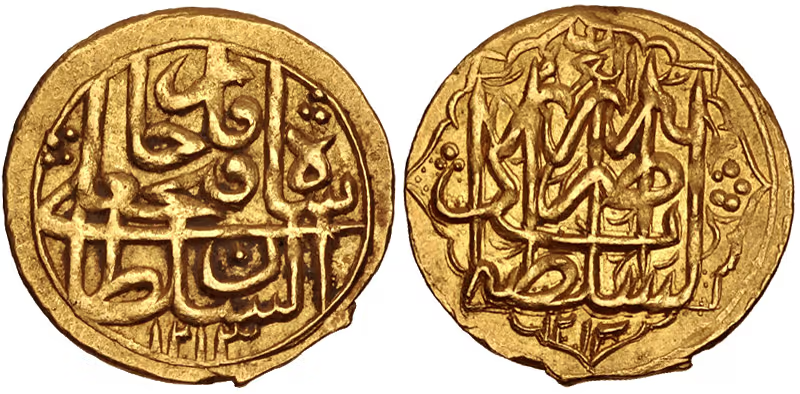
Qajar Dynasty
Qajar coinage introduced the Lion-and-Sun emblem, mechanised minting (1877), and the country's first banknotes (1890, Imperial Bank of Persia). Denominations: toman (gold), qiran (silver), shahi (copper).
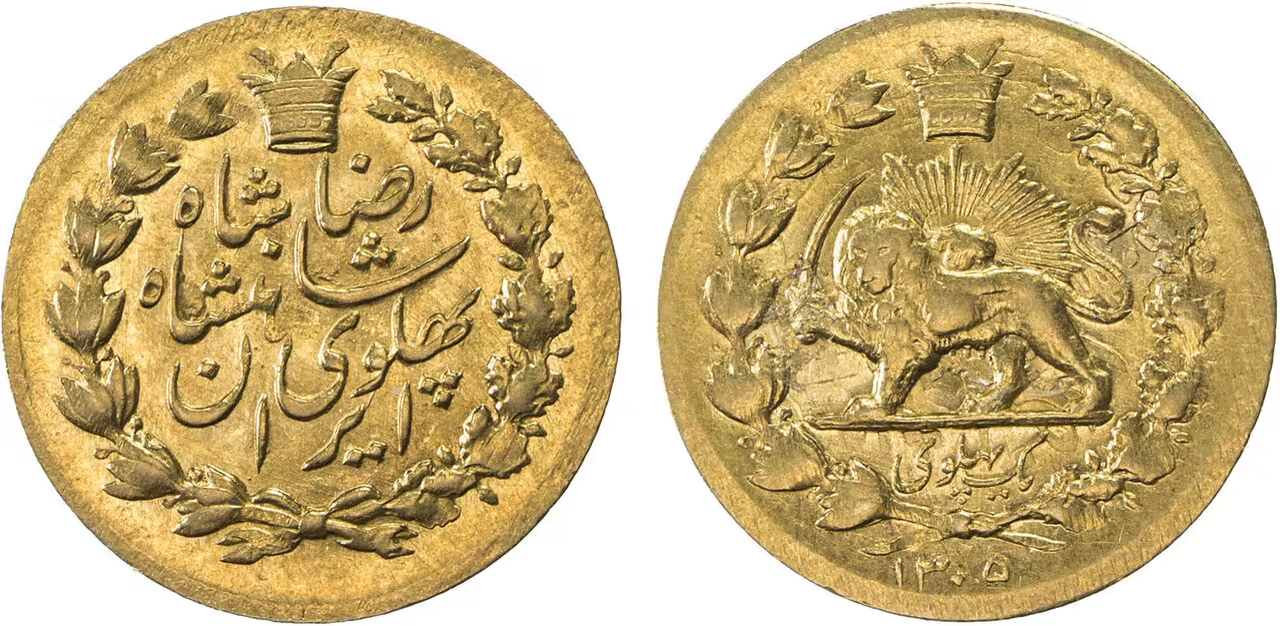
Pahlavi Dynasty
Reza Shah reformed currency in 1932: the rial replaced the qiran (1 toman = 10 rial). Bank Melli took over note issuance in 1932. Pahlavi era includes commemoratives for the 2500-year celebrations and FAO series.
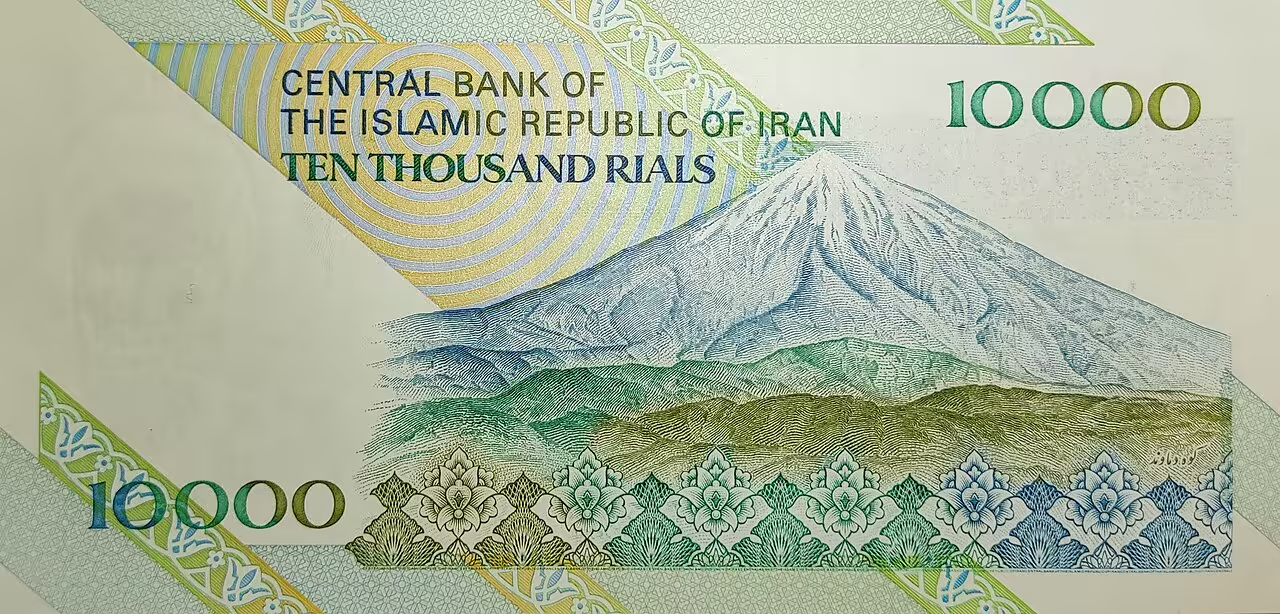
Islamic Republic
Post-revolution coinage replaced the Lion-and-Sun with floral and architectural motifs. Banknotes feature Khomeini portrait from 1992, and have ranged from 100 to 1,000,000 rial. Toman (10 rial) is being reintroduced as the official unit in 2020s currency reform.
Coin of the day
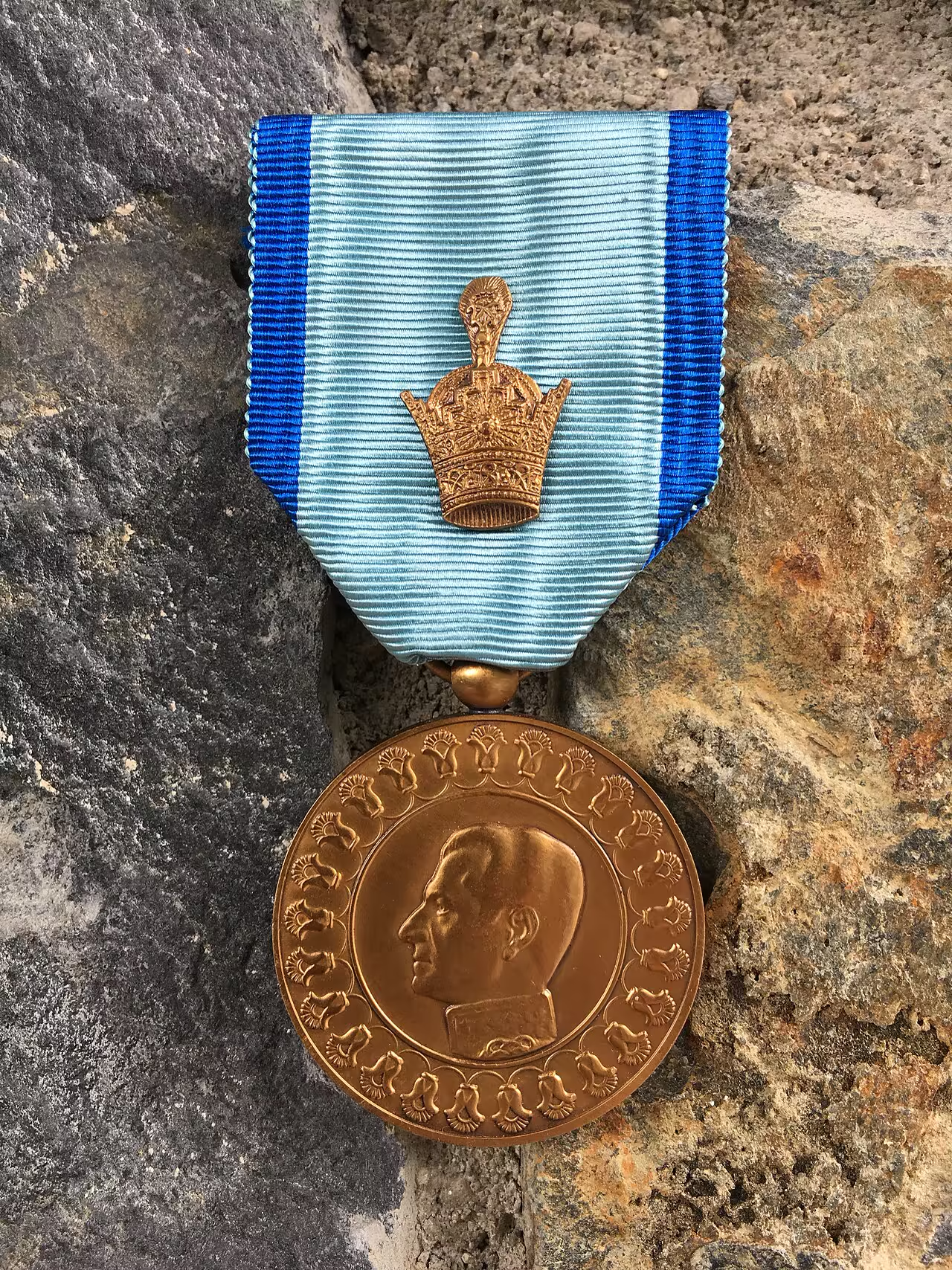
2500-Year Celebration Commemorative Medal
Mohammad Reza Shah
SH 1350 / 1971
- Metal
- Silver
- Mint
- Tehran
Issued for Persepolis ceremonies celebrating 2500 years of Persian monarchy.
Plates from the cabinet
“I was driven out of Asia by ten thousand archers.”