Persian numismatics — knowledge base
A structured index of the topics covered across articles, the catalogue, and the glossary. Each topic is summarised in one paragraph and linked to the era, mint, ruler and term pages that describe the same entity from a different angle.
Coins
Denominations, weight standards, and the metal types that defined each Iranian monetary epoch.
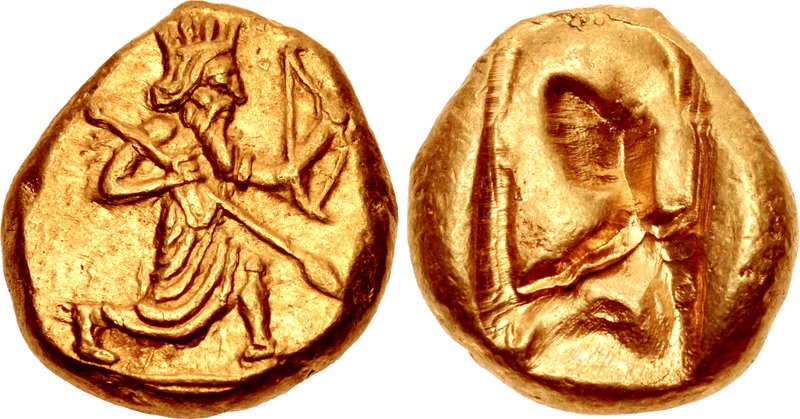
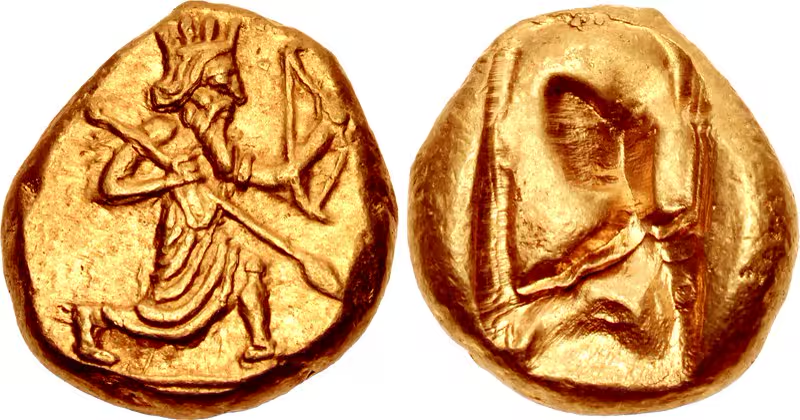
The Achaemenid daric: empire's first gold standard
History, weight standard (~8.4g), iconography (kneeling archer), trade reach.
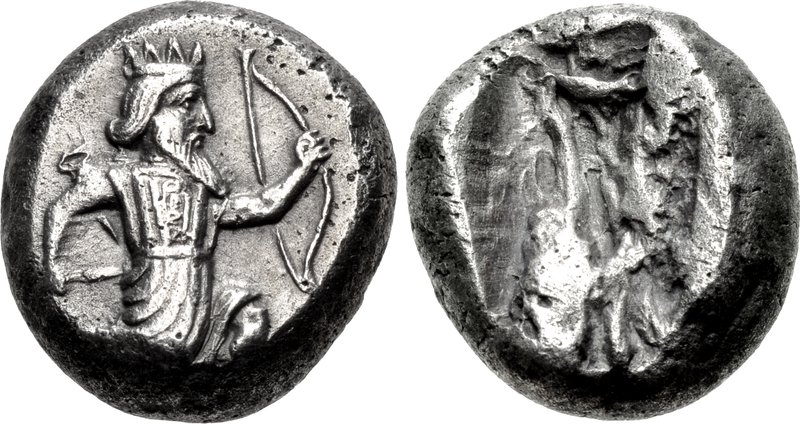
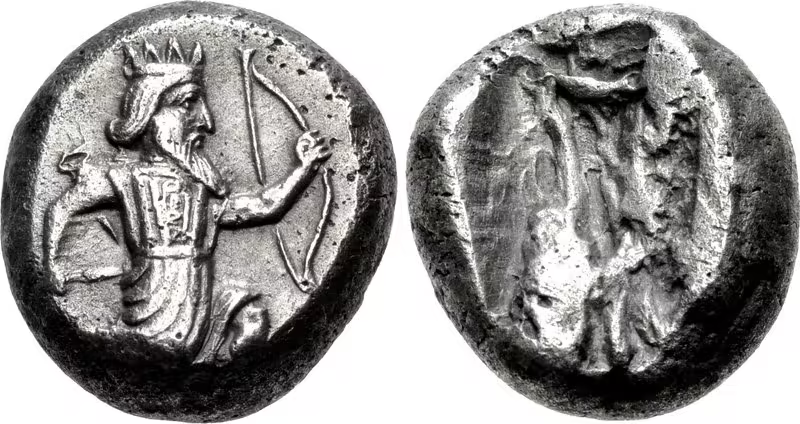
The siglos: silver companion to the daric
Silver siglos minted in Sardis, exchange rate with gold daric, archer types.
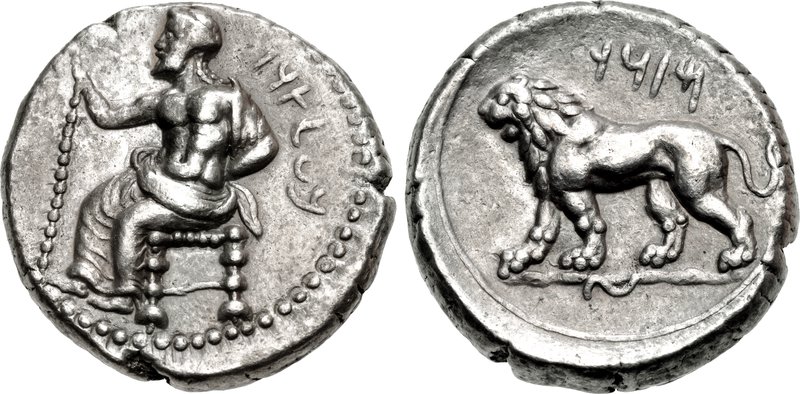
Satrapal coinage of Achaemenid Asia Minor
Coinage of Tissaphernes, Pharnabazus, Autophradates, Mazaios; Greek-style portraits under Persian rule.
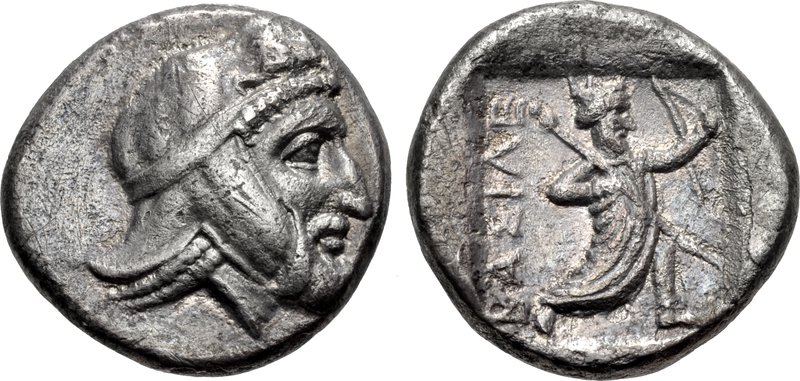
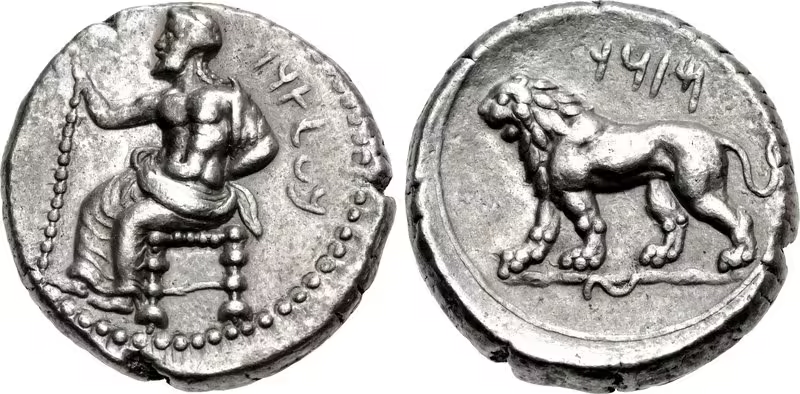
Tiribazos and the coinage of Achaemenid satraps in Cilicia
Early 4th-century BC satrapal issues, Baal of Tarsos, Ahura Mazda imagery.
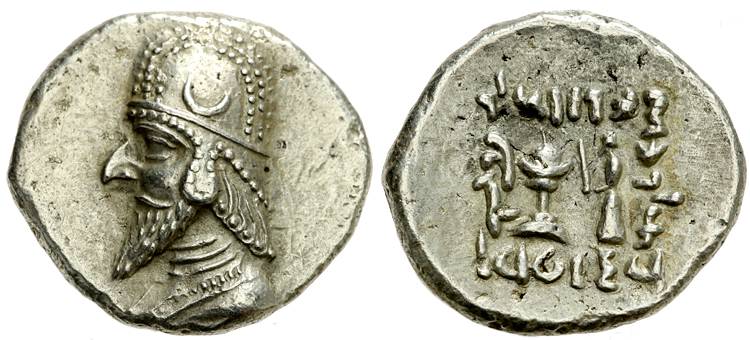
The drachma of Darius II and late Achaemenid silver
Denomination, style of the archer, mints of Ionia in the late 5th century BC.
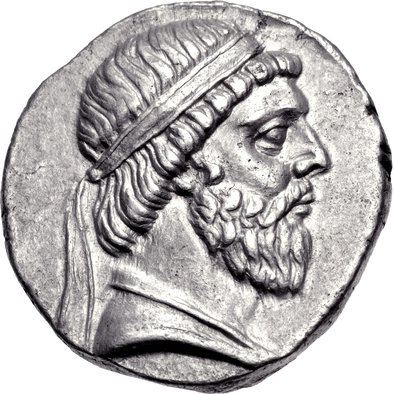
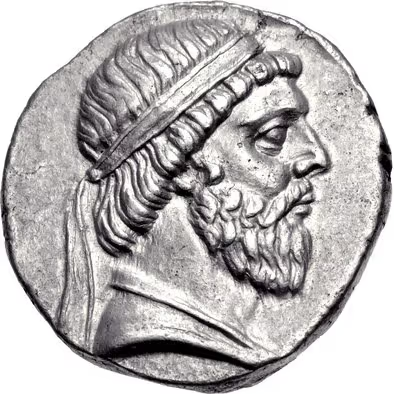
Parthian tetradrachms and Greek heritage
Seleucid weight standard, Greek legends on early Arsacid coinage, royal portraits.
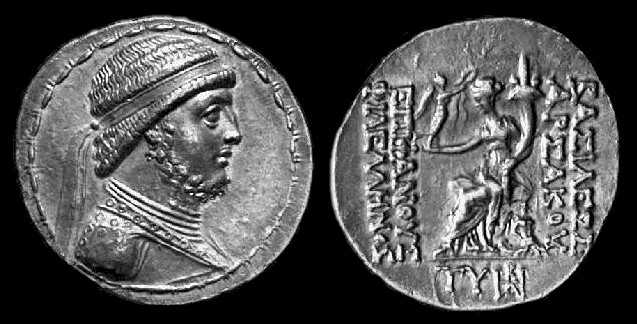
Parthian silver drachms: a 400-year series
Continuity of the seated archer reverse, Hellenistic-to-Iranian portrait shift.
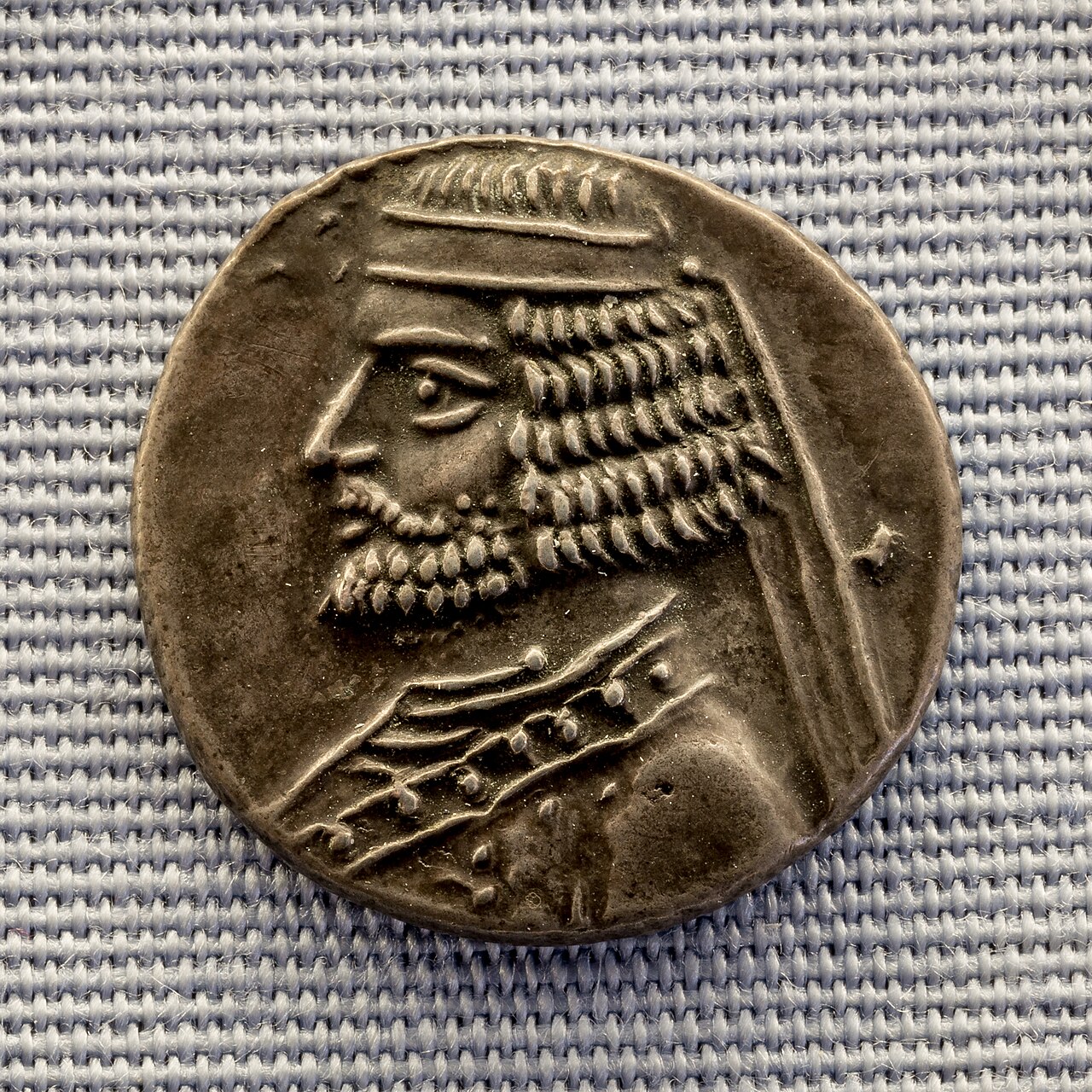
Orodes I of Parthia and the archer tetradrachm
90–77 BC issues, portrait style, seated archer reverse.
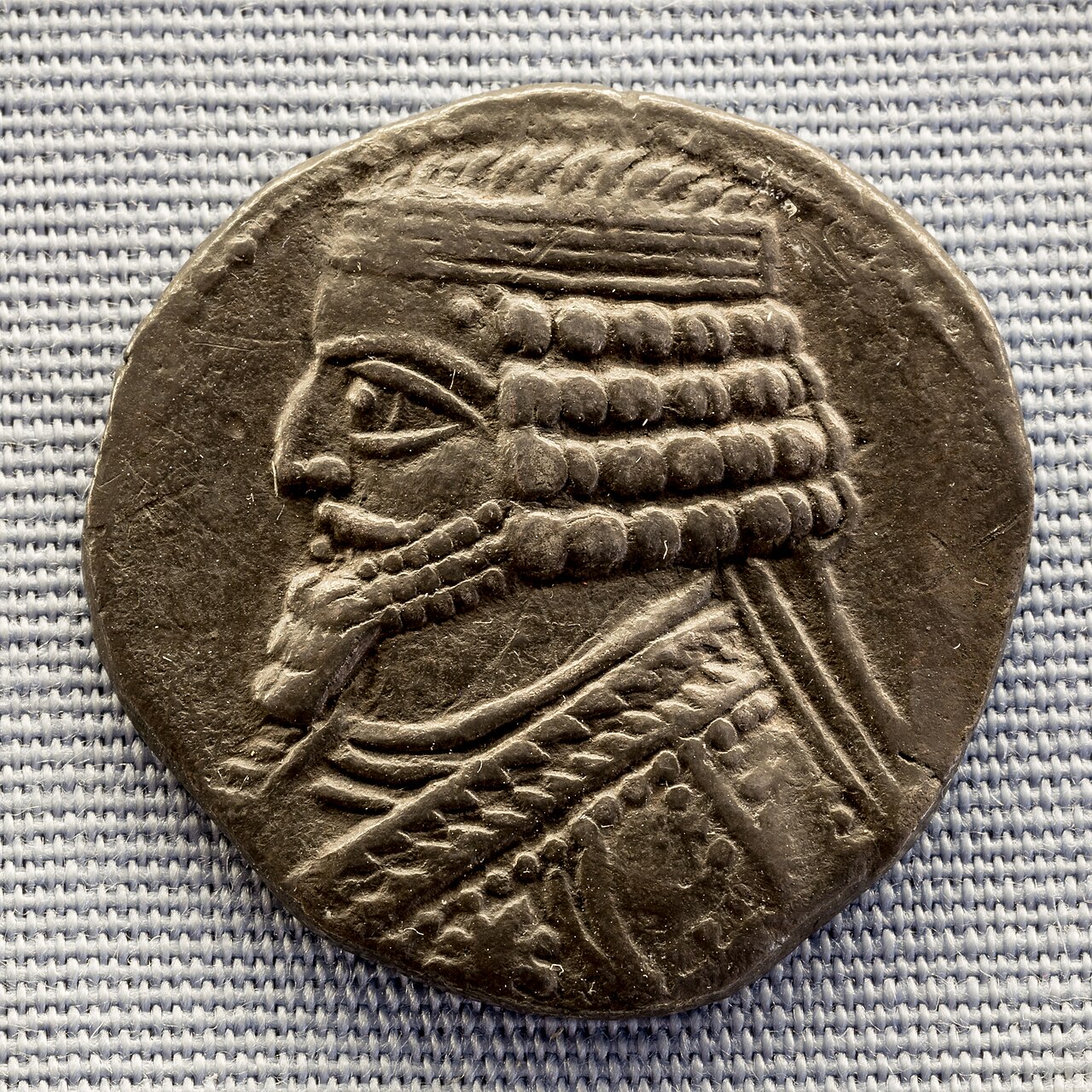
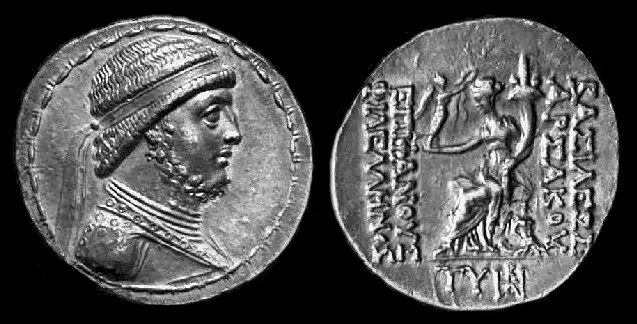
Phraates IV and the tetradrachm of alliance
37–2 BC, reverse of king with Tyche, Roman diplomacy, portrait iconography.
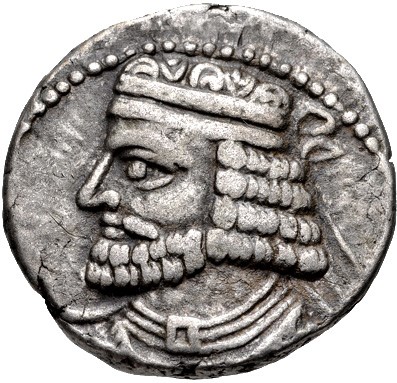
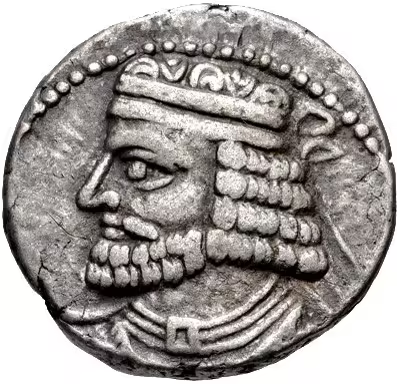
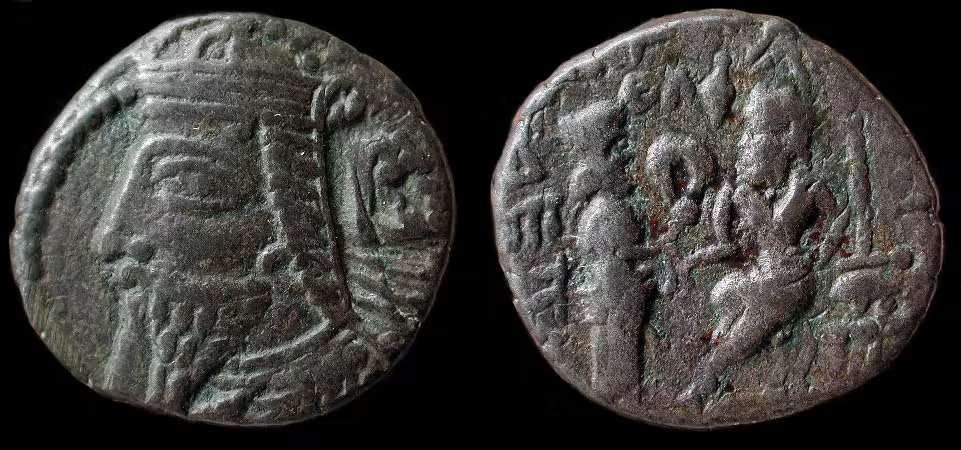
Vologases I and the first Aramaic script on Arsacid coins
First appearance of Parthian Aramaic script on tetradrachms, Seleucia mint.
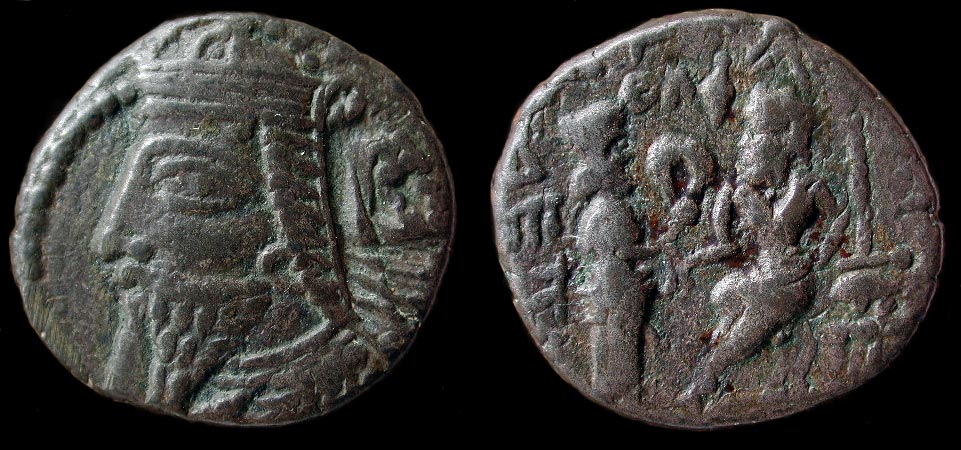
Vologases VI and the last Arsacid drachms
Twilight of the Parthian empire, coin quality decline, Sasanian succession.
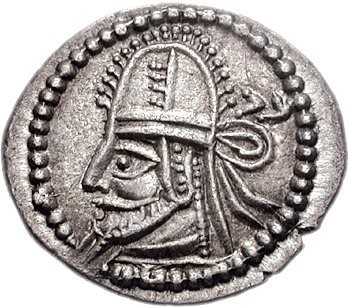
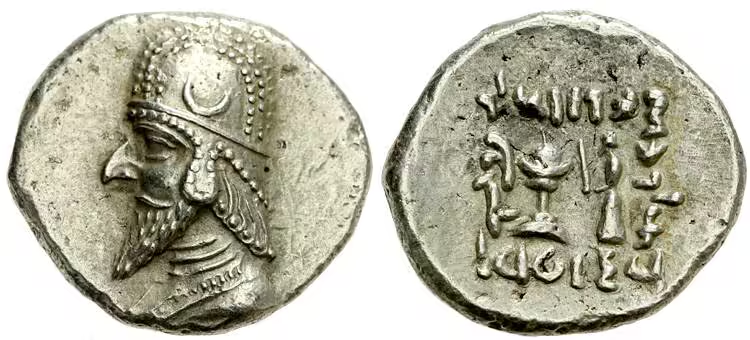
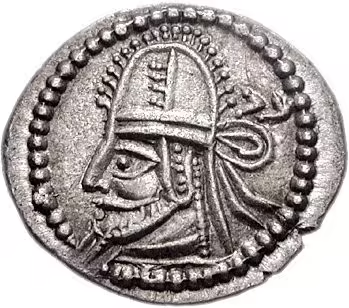
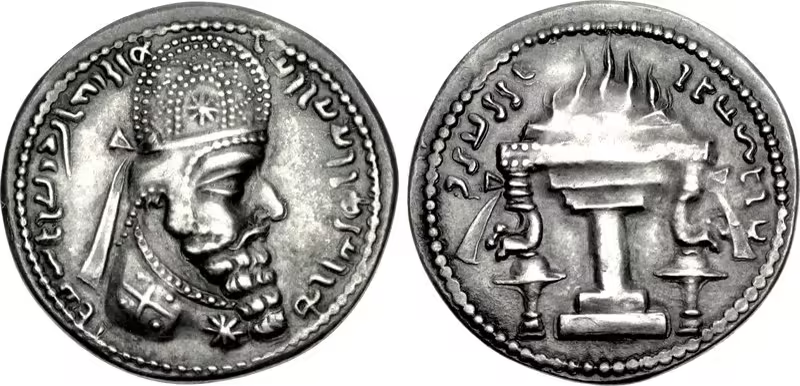
Artabanus IV: the last Parthian king in silver
Struggle with Ardashir I, Hamadan mint drachms, transitional style.
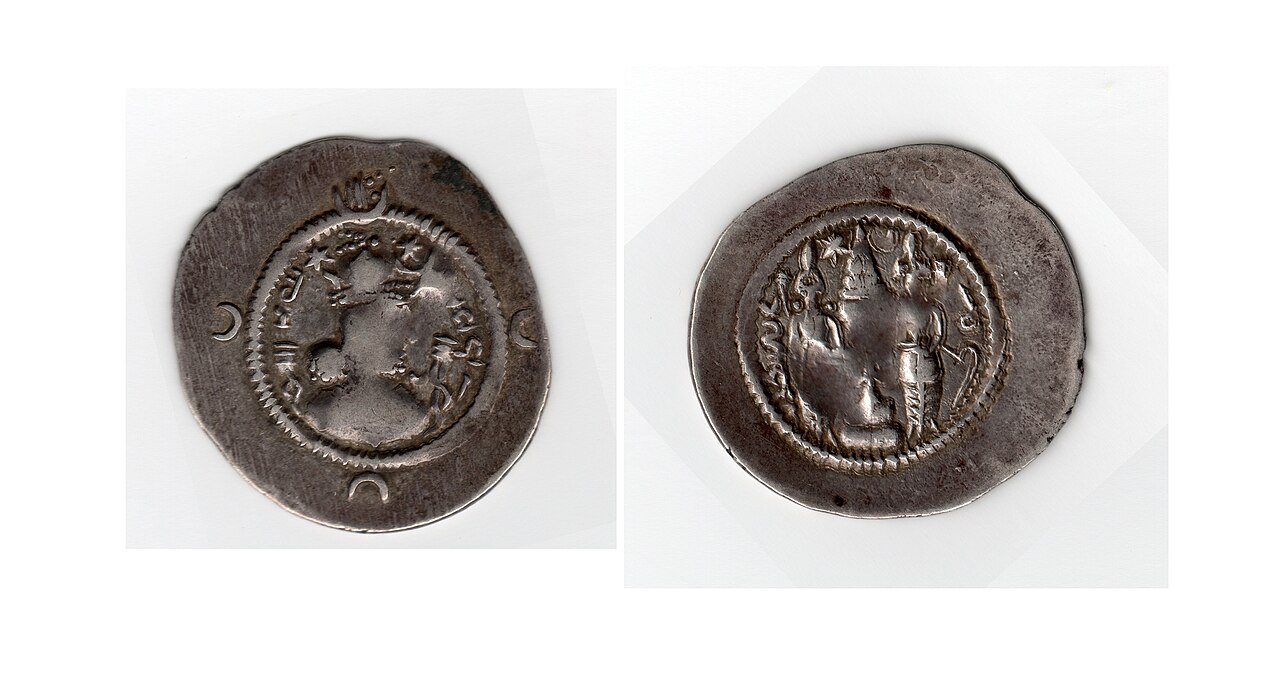
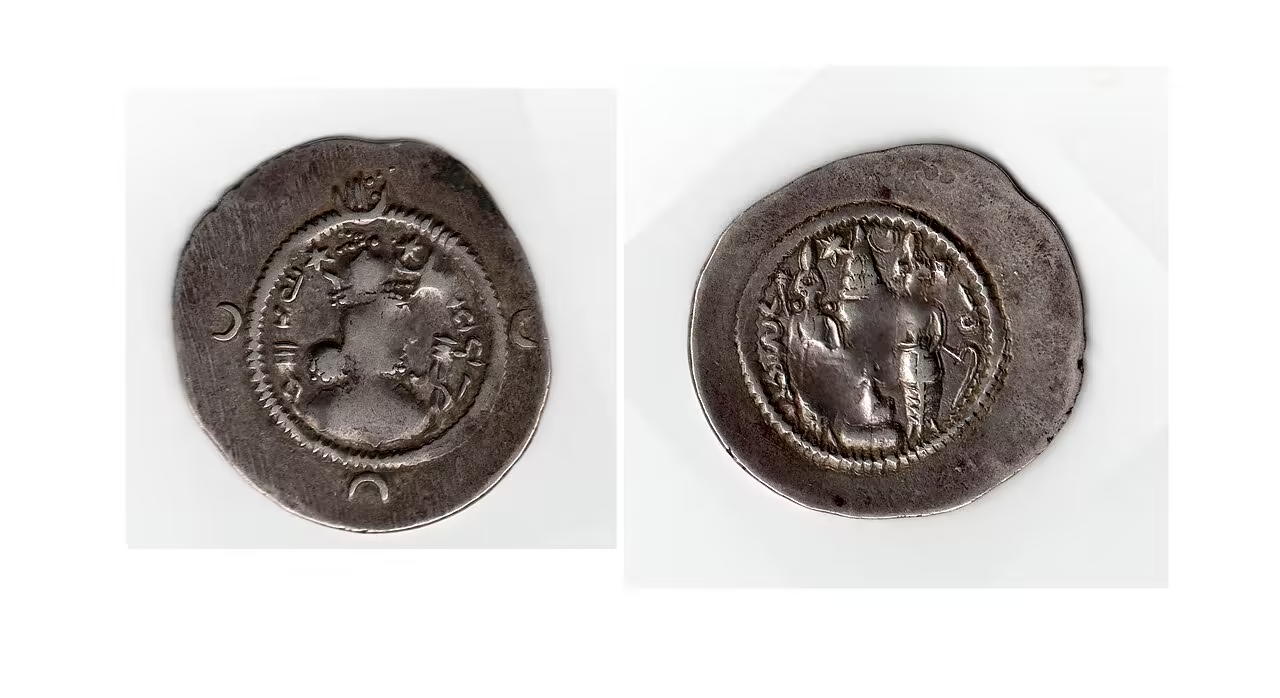
The Sasanian drachm: numismatic backbone of late antiquity
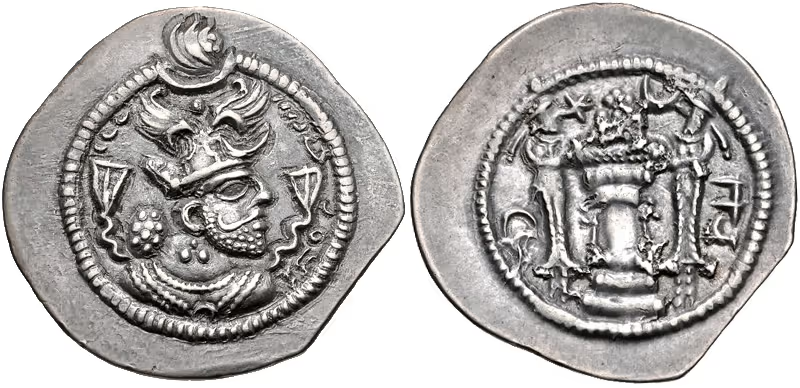
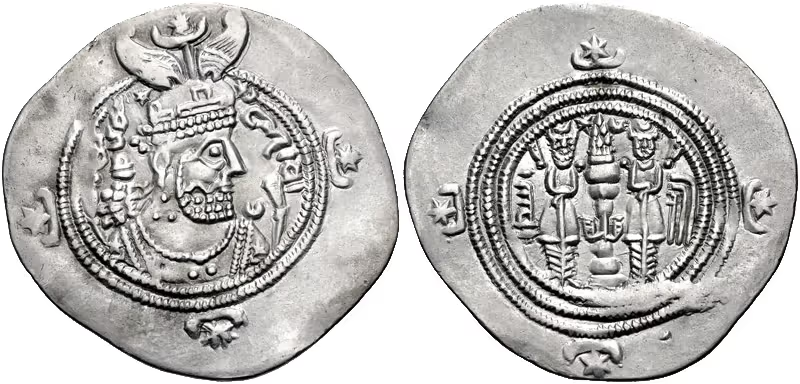
Thin broad flan, Pahlavi legends, fire altar reverse, mint signatures, regnal years.
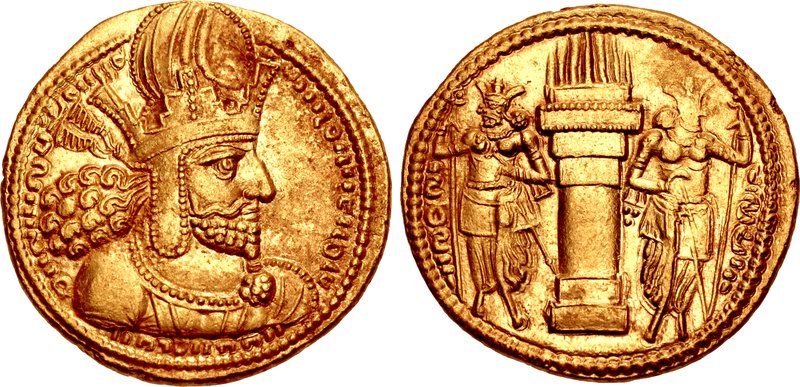
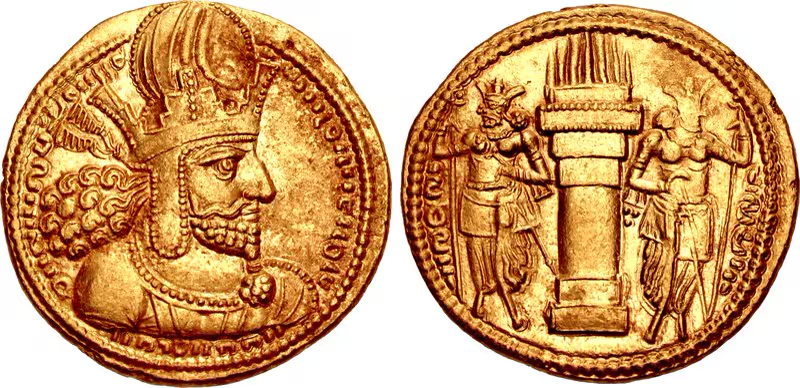
Sasanian gold dinars and royal ceremony
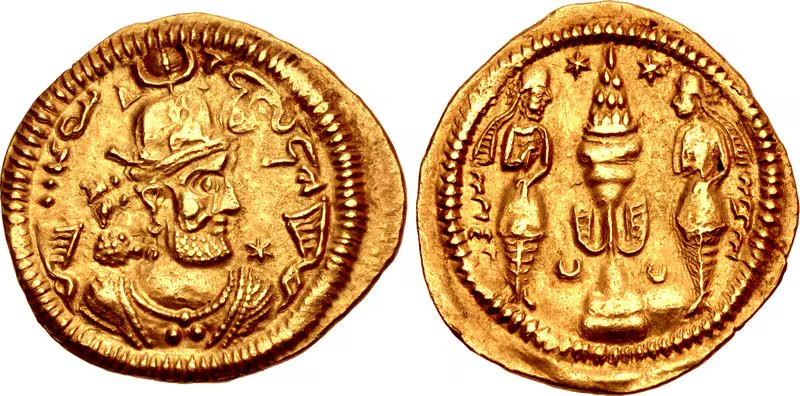
Rare ceremonial issues, Shapur I bust types, weight tied to Roman aureus.
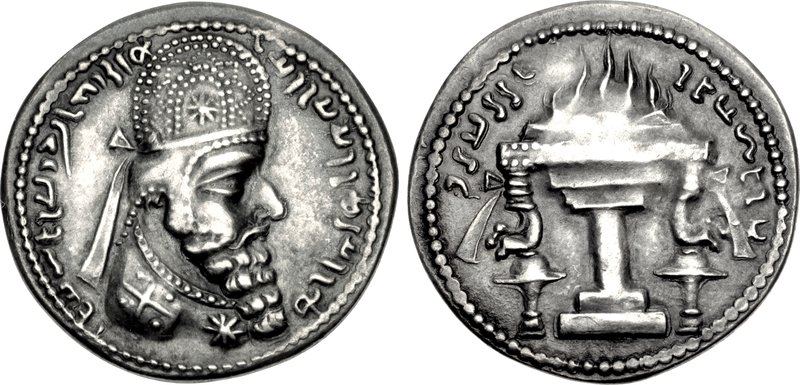
Ardashir I and the founding coinage of the Sasanian state
Break with Parthia, Hamadan mint drachms, fire altar iconography debut.
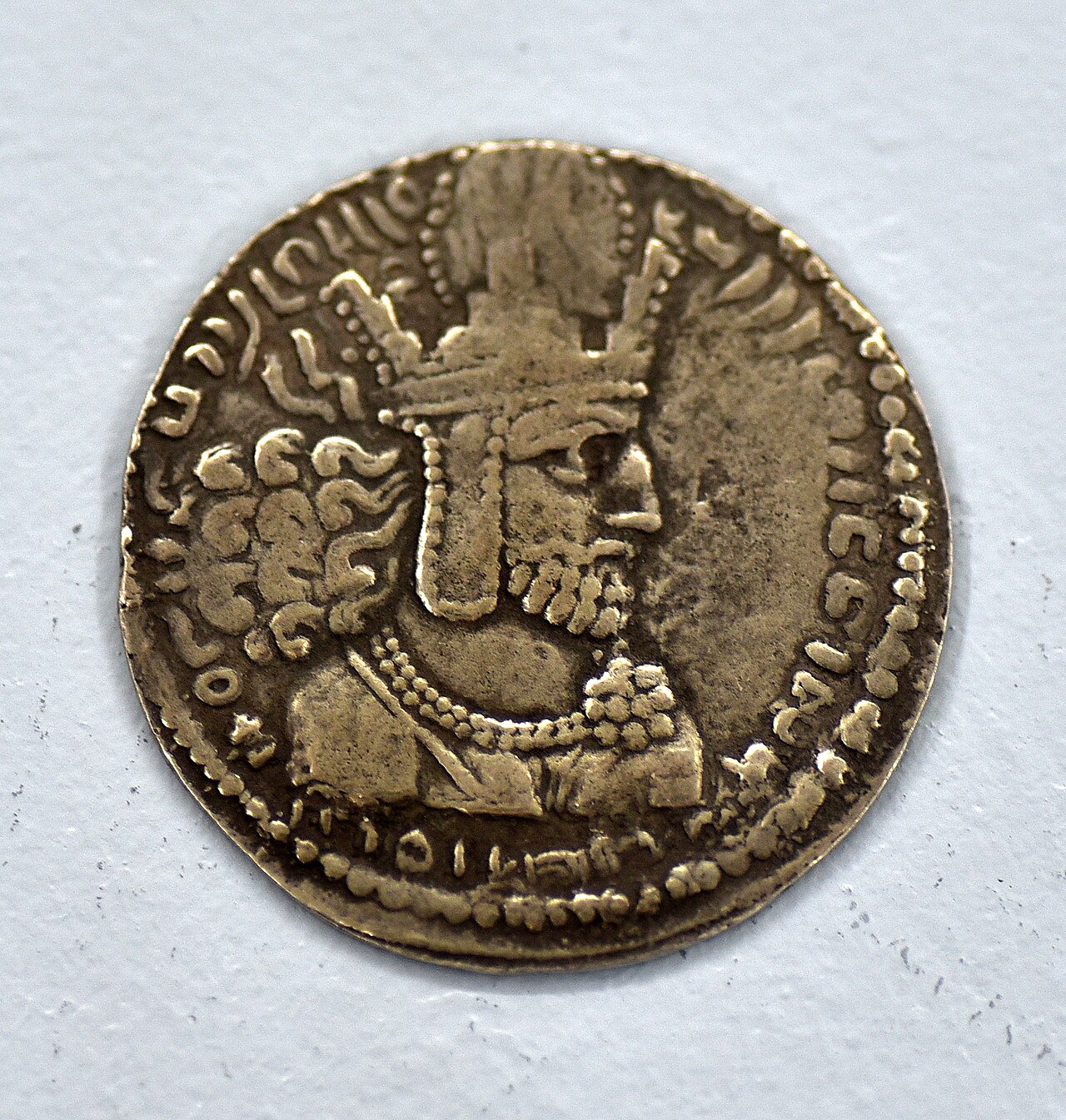
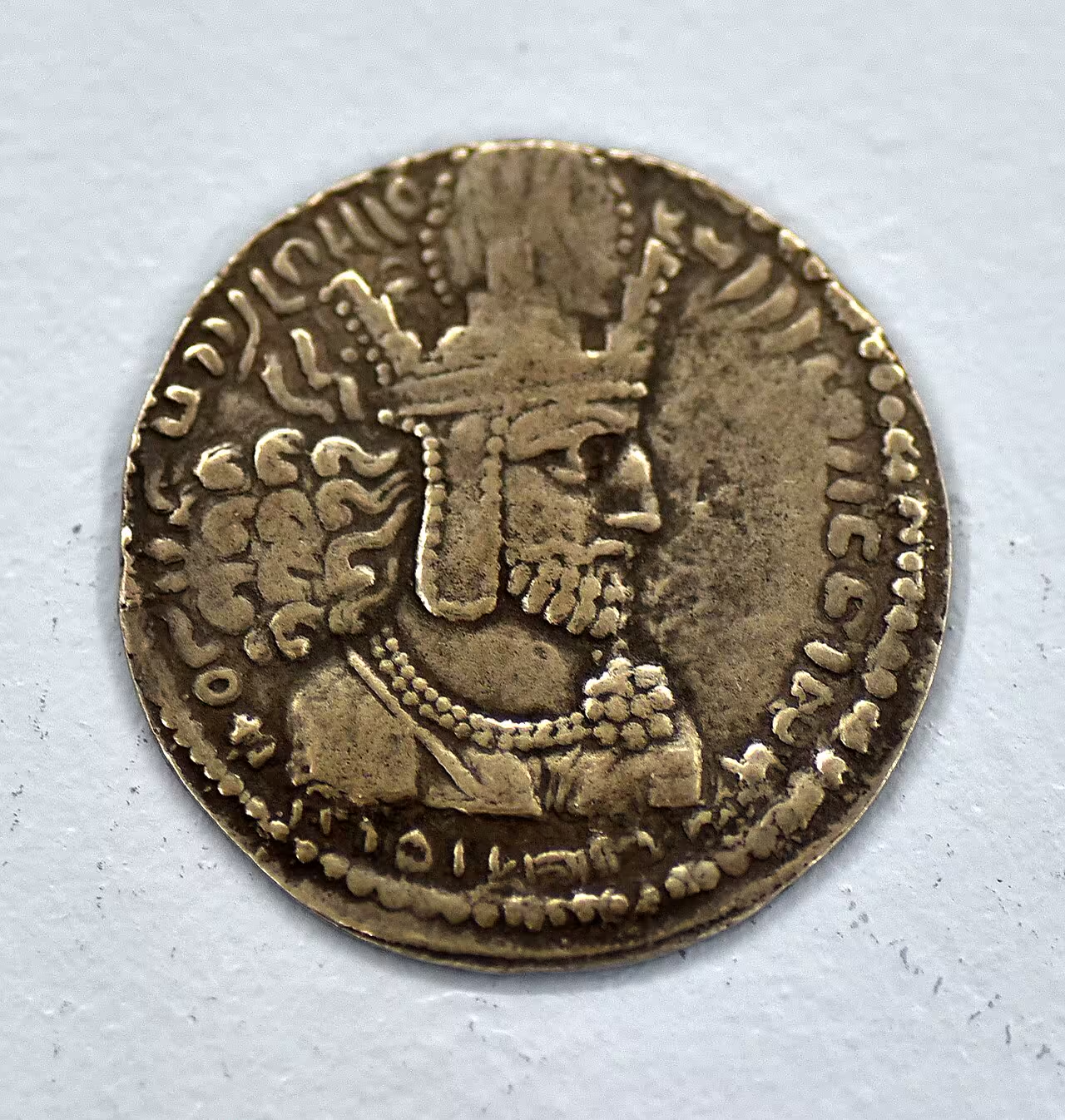
Shapur I and the silver coinage of a conqueror
Sulaymaniyah Museum specimens, victory over Valerian, crown iconography.
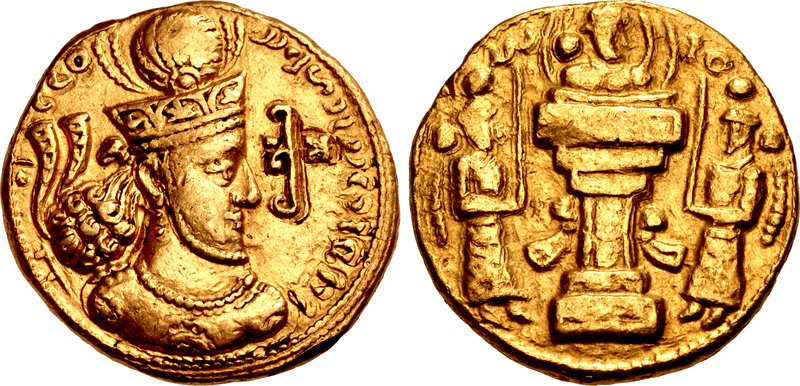
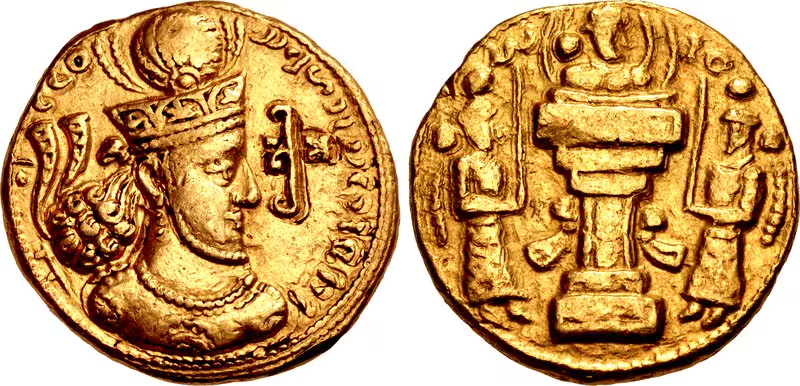
The gold coinage of Shapur III
Late 4th-century gold dinars, weight standard, crown of Shapur III.
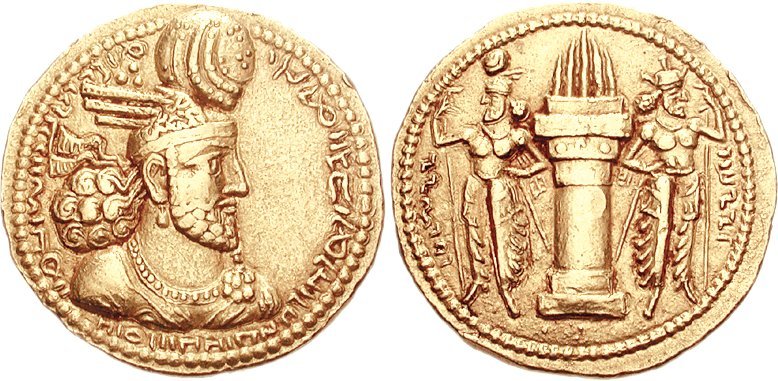
Bahram II and the family portrait drachm
Unique three-figure obverse (king, queen, prince), religious symbolism.
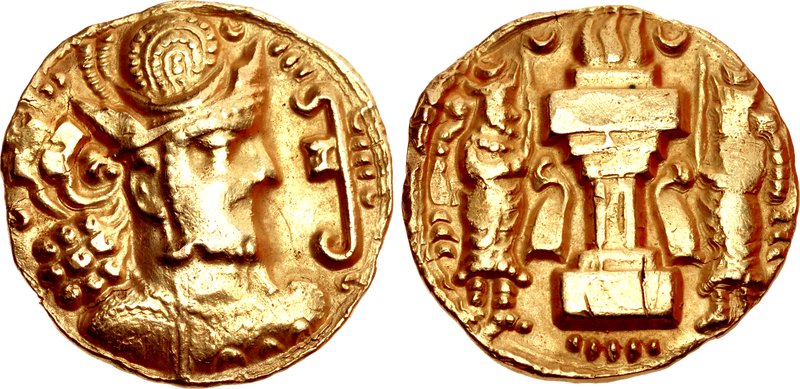
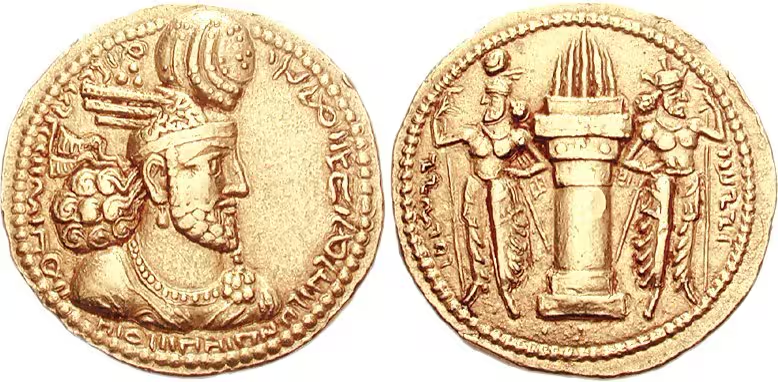
Bahram V and the gold dinar of the Sind mint
Sasanian outreach to India, easternmost gold, weight and portrait analysis.
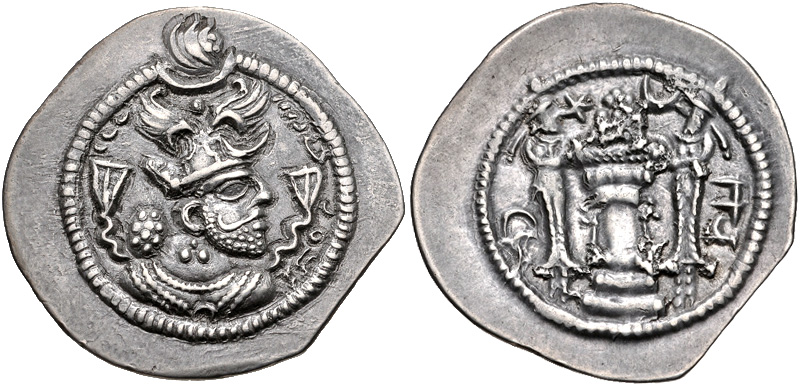
Peroz I and the crown-changes of the Sasanian dynasty
Three crown types across one reign, Adurbadagan mint, Hephthalite wars.
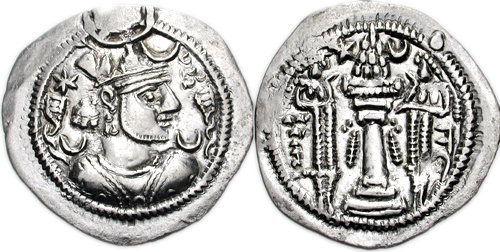
Kavad I and the Ahvaz mint's first-reign drachms
Mazdakite reforms, mint of Ahvaz, first vs. second reign portrait distinctions.
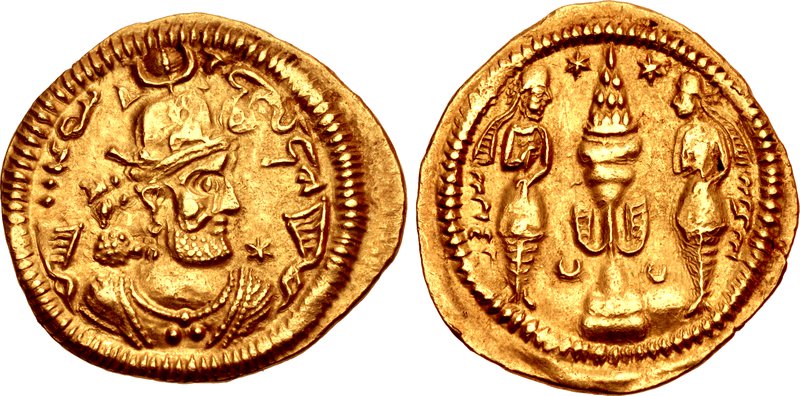
Bahram Chobin: the general who became king
Brief usurpation, Susa mint drachms, Zoroastrian legitimacy questions.
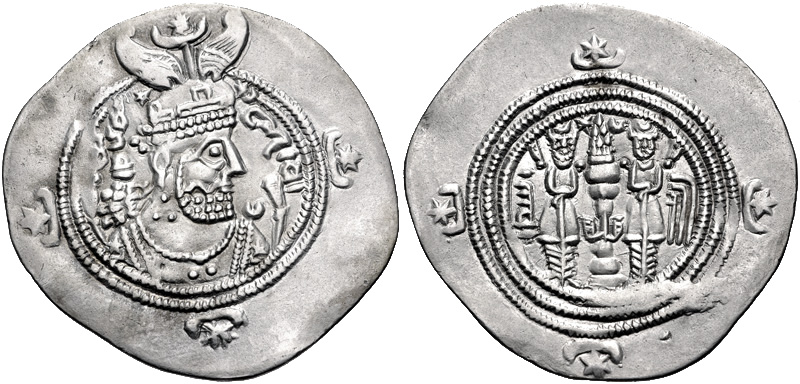
Yazdegerd III and the last Sasanian coinage
651 CE issues, flight from the Arab conquest, mint output collapse.
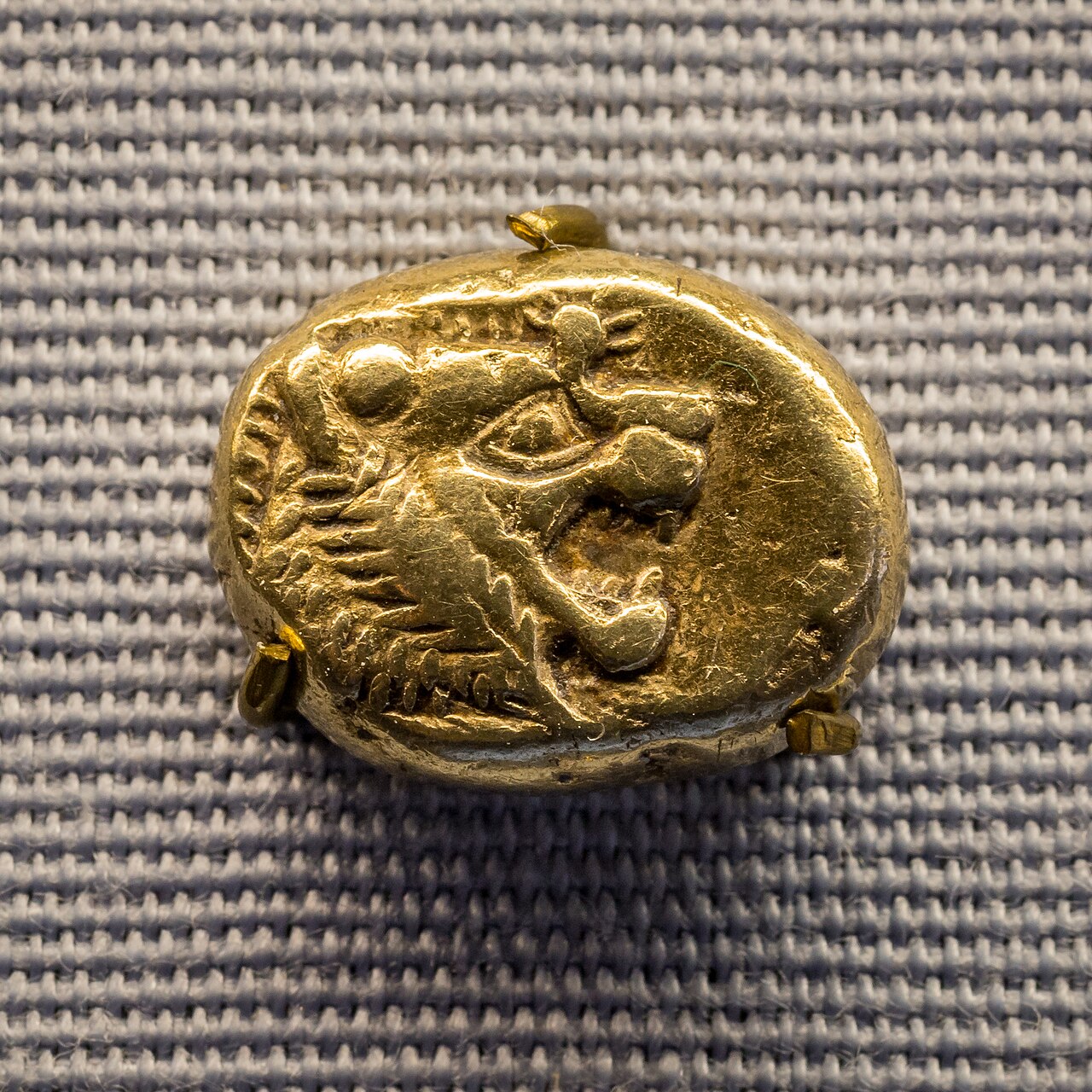
Lydian electrum and the invention of coinage
Why true coinage starts in Lydia/Persia's western frontier, lion-and-bull stater.
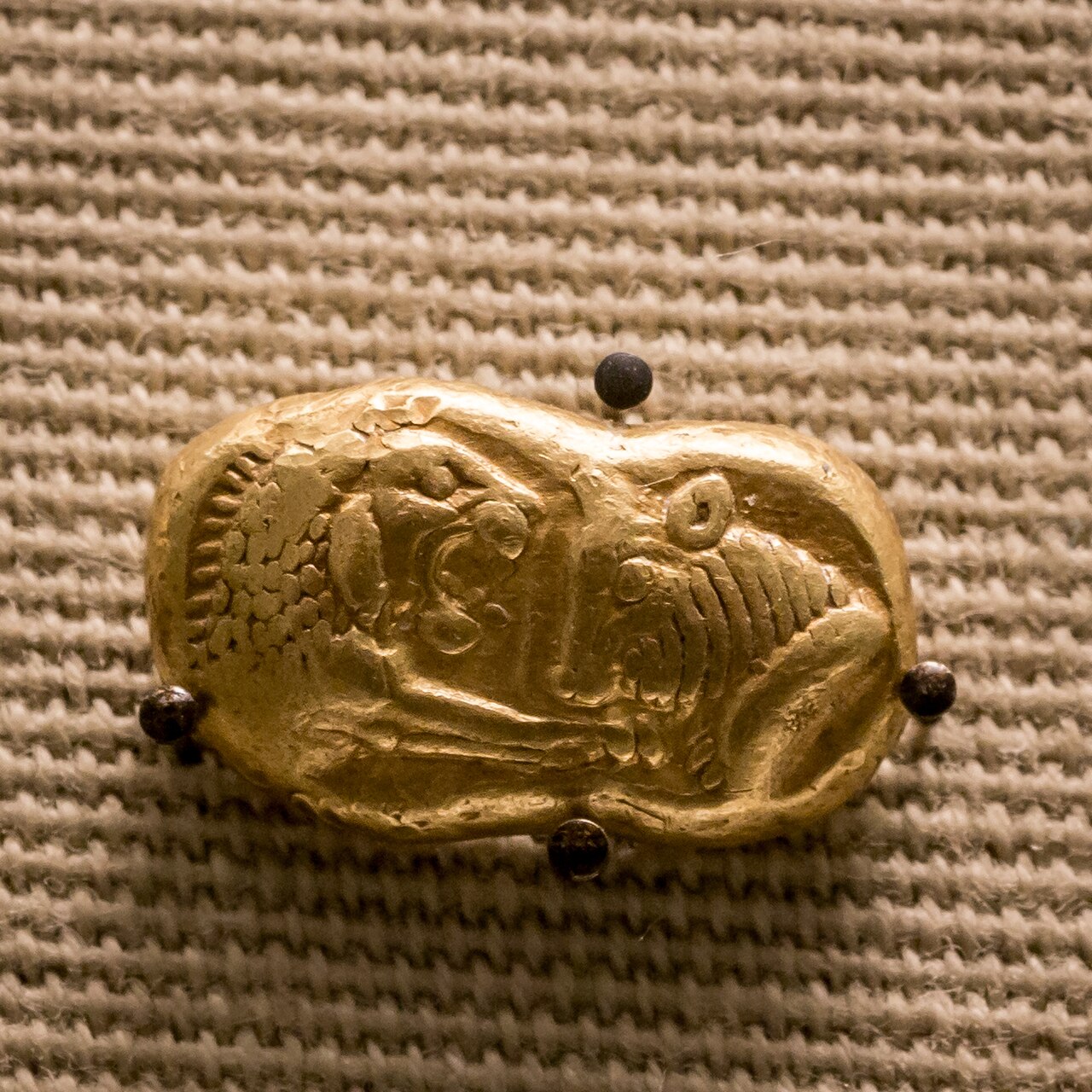
The gold stater of Kroisos: first pure-gold coinage
Separation of gold from silver at Sardis, weight standard, lion-and-bull.
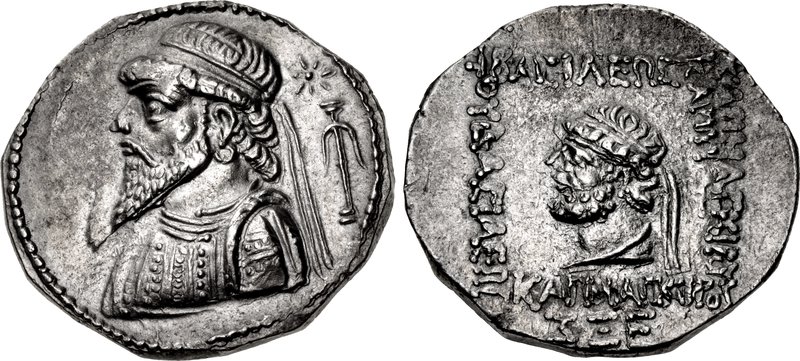
Elymais: a forgotten kingdom on the Karun
Bronze and silver of Kamnaskires and Orodes, Aramaic legends, Susa region.
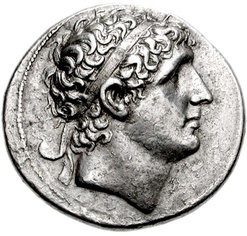
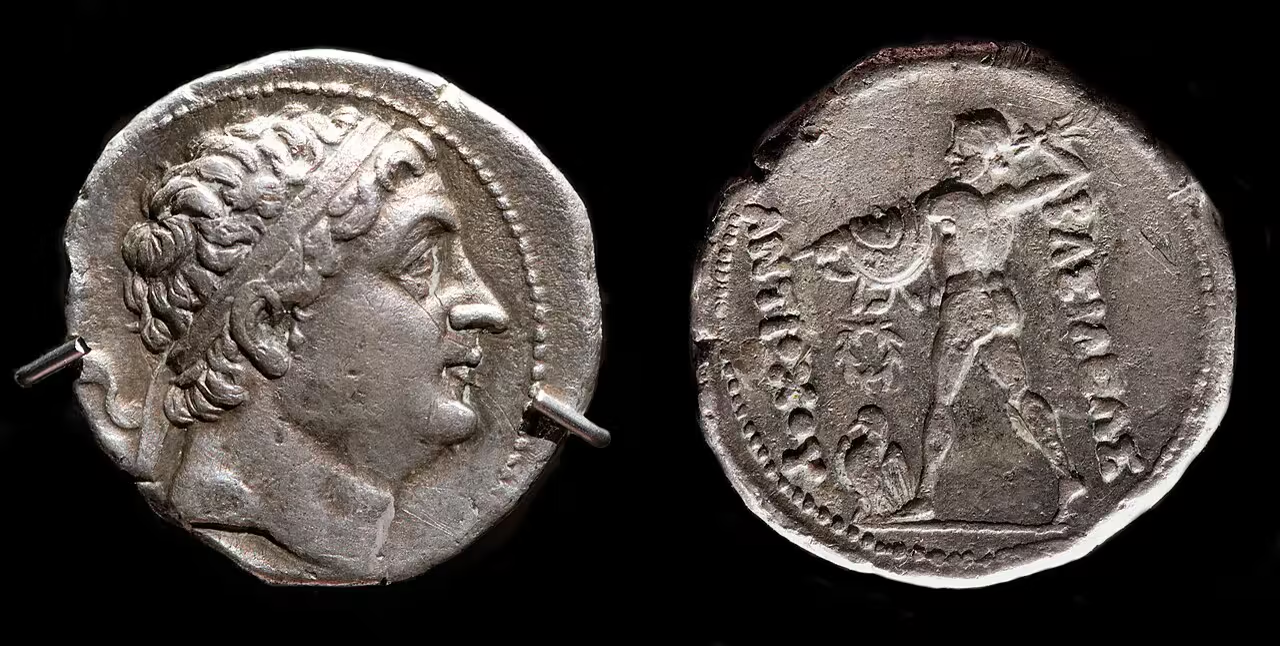
Antiochus I Soter and the Seleucid tetradrachm
Portrait style, Apollo on omphalos reverse, mints of Iran.
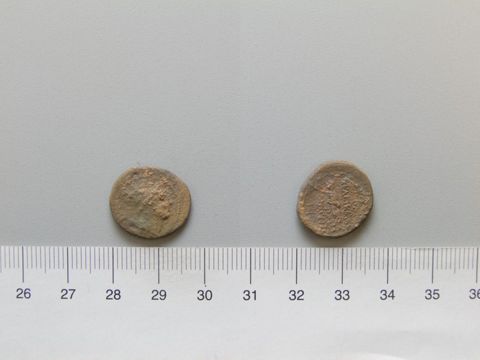
Antiochus IV Epiphanes and the coinage of Antioch
Radiate portrait, Zeus enthroned reverse, ideological messaging.
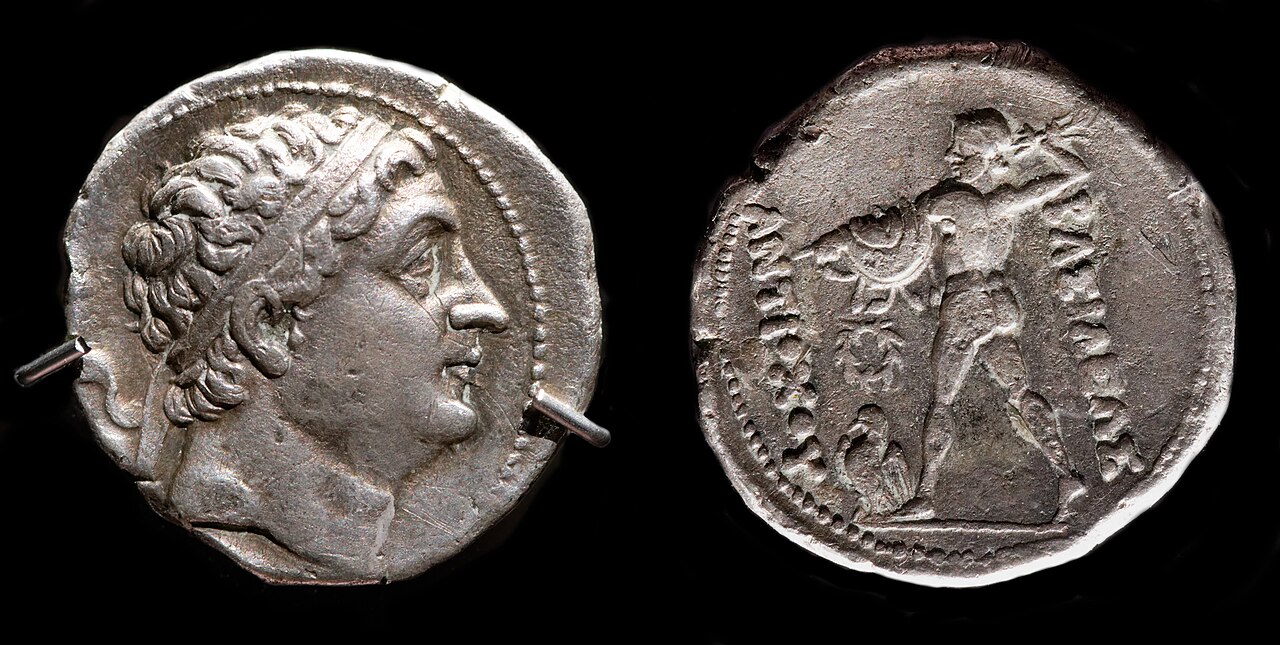
Diodotus I and the breakaway coinage of Bactria
Independence from Seleucids, Zeus reverse, Hellenistic Iran's eastern frontier.
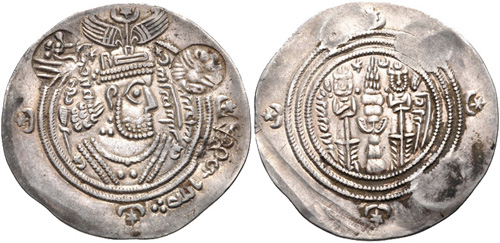
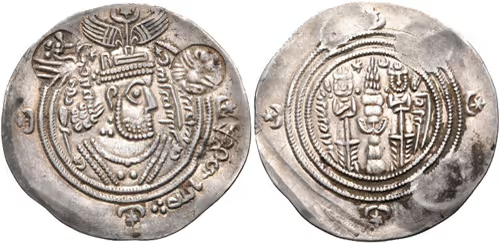
Arab-Sasanian drachms: continuity after conquest
Why early Umayyad governors kept Sasanian dies, bismillah margin, Tabaristan series.
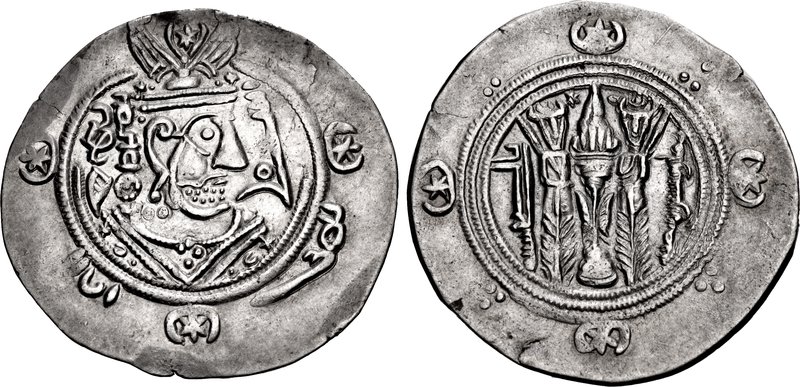
The Arab-Sasanian coinage of Tabaristan
Al-Mahdi-era hemidrachms, Caspian province autonomy, half-drachm weight.
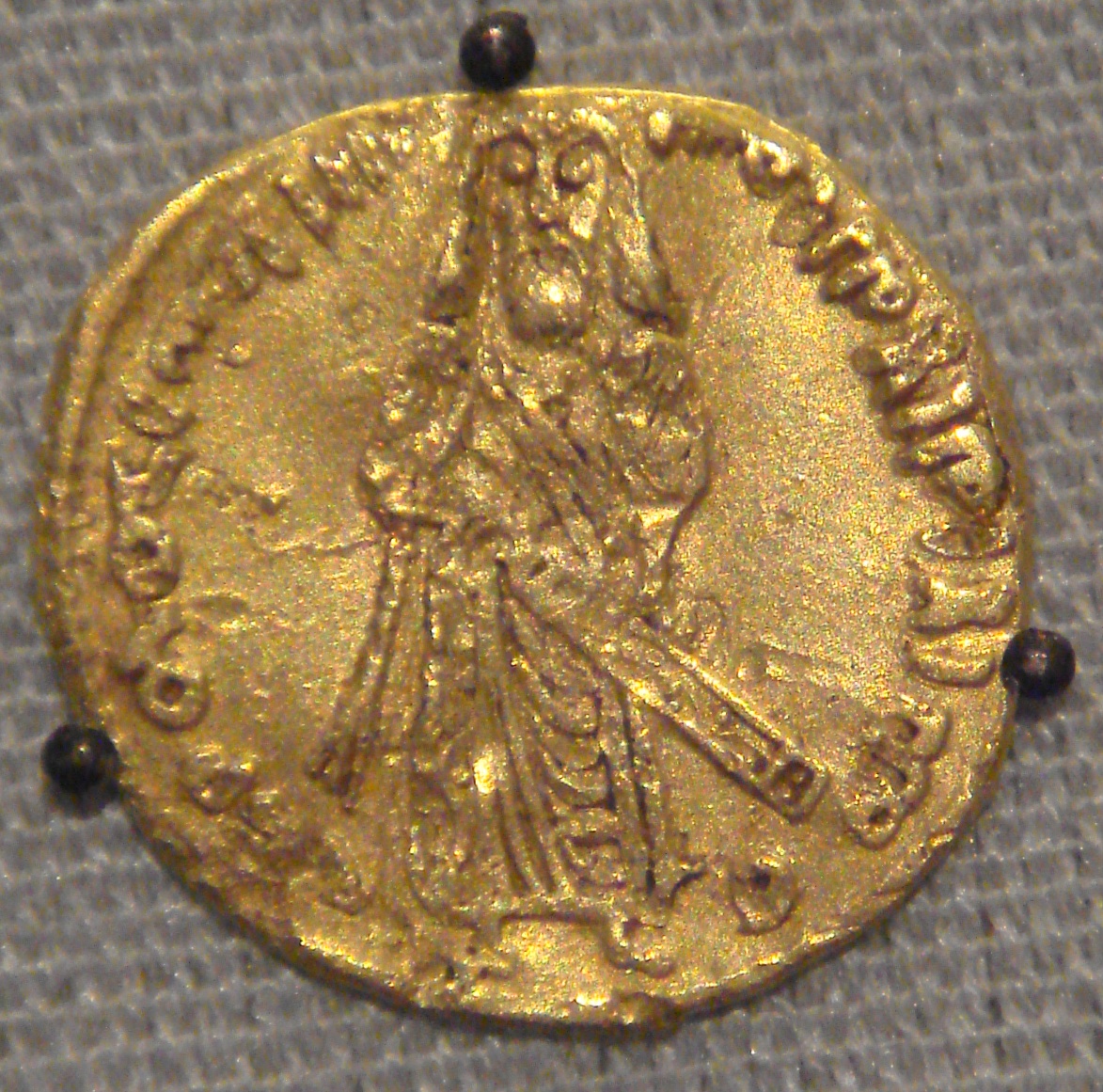
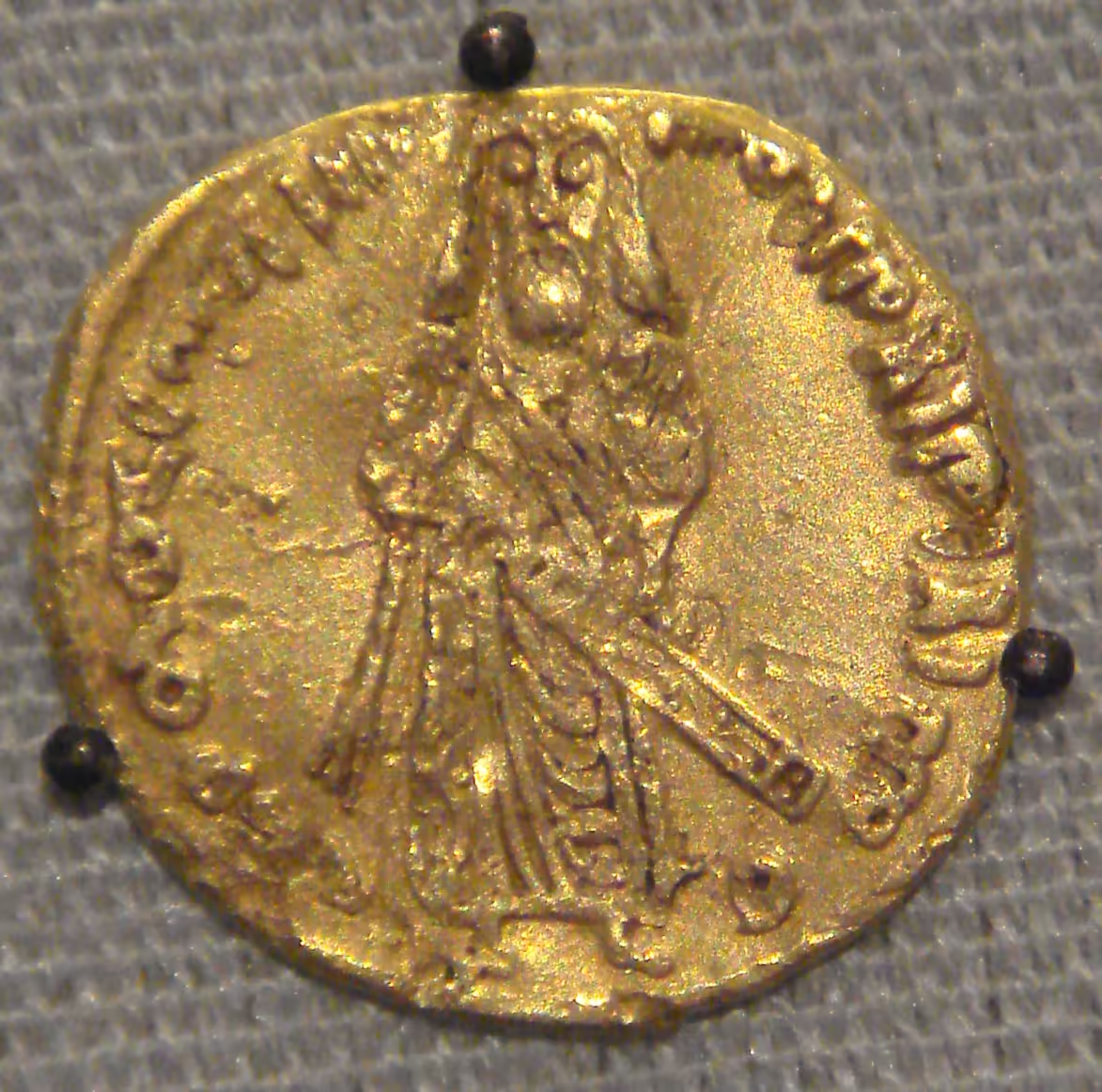
Abd al-Malik and the 696 coinage reform
The first purely epigraphic Islamic dinar, theological motivation, weight standard.
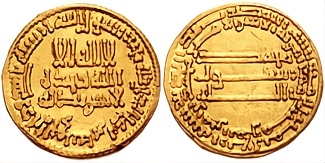
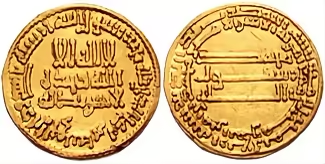
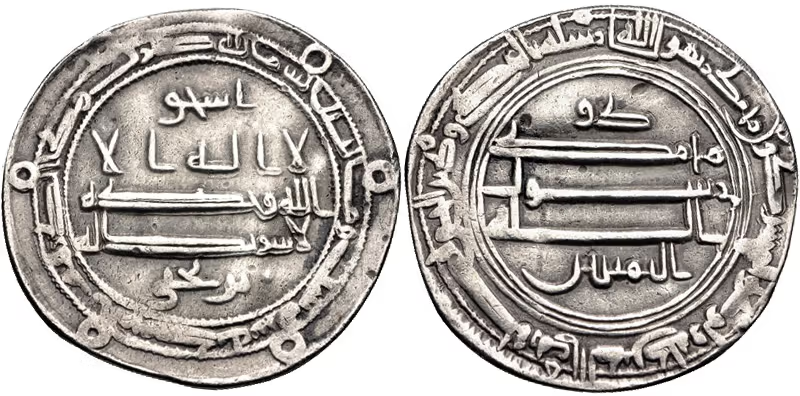
The Abbasid silver dirham as a global currency
Reach into Scandinavia, mint cities of Iran, calligraphic evolution.
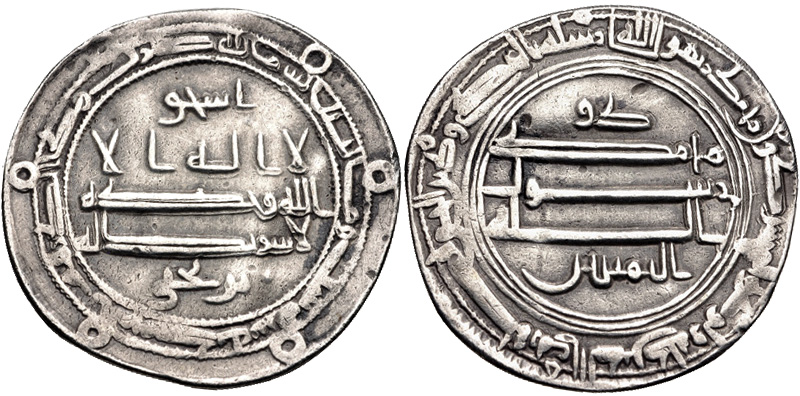
Tahir ibn Husayn and the Tahirid coinage of al-Muhammadiya
Governor turned dynast, dirhams of Ray, Khorasan autonomy.

Samanid gold and the Nishapur mint
Bukhara's bureaucracy, Nishapur's output, Persian renaissance under Samanids.
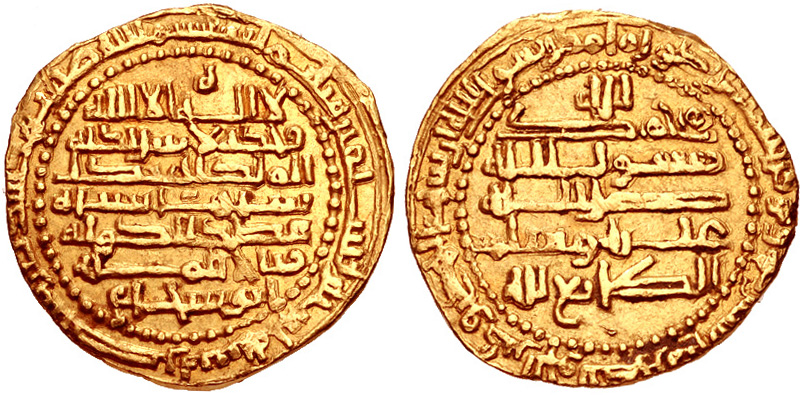
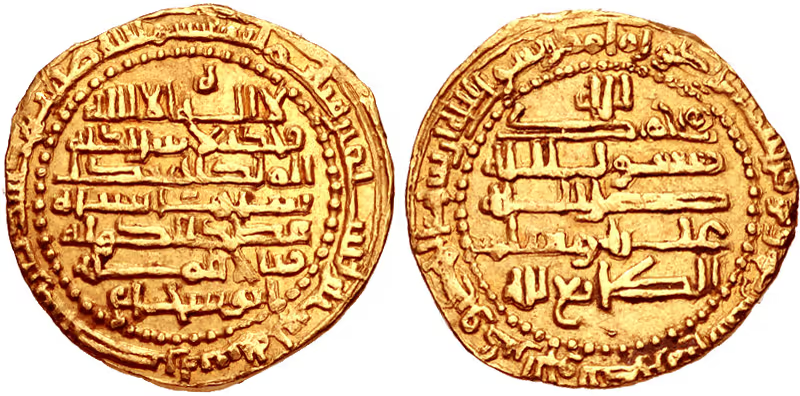
Buyid coinage and Shiʿi titulature
Adud al-Dawla's medallic dinars, revived Persian titles, Baghdad and Shiraz mints.
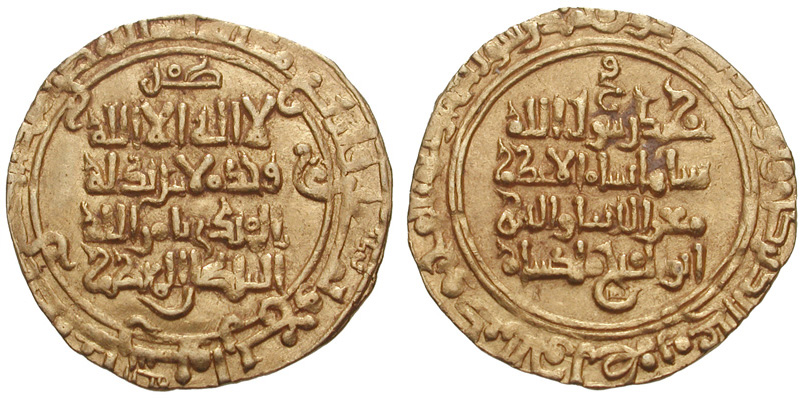
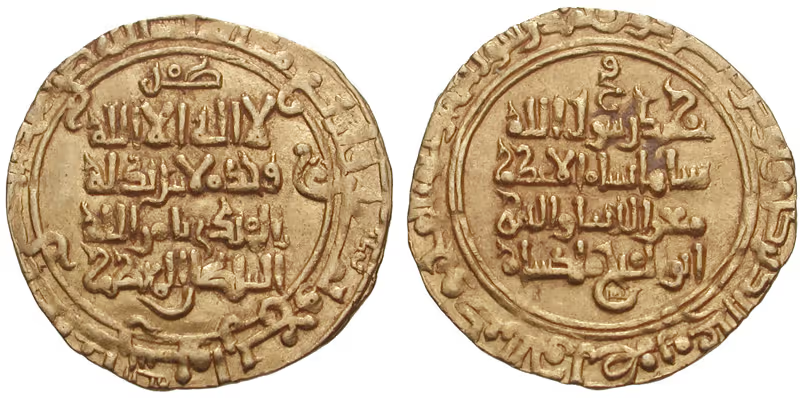
Seljuq dinars between caliph and sultan
Dual naming of caliph and sultan, Malik Shah issues, expanding mint network.
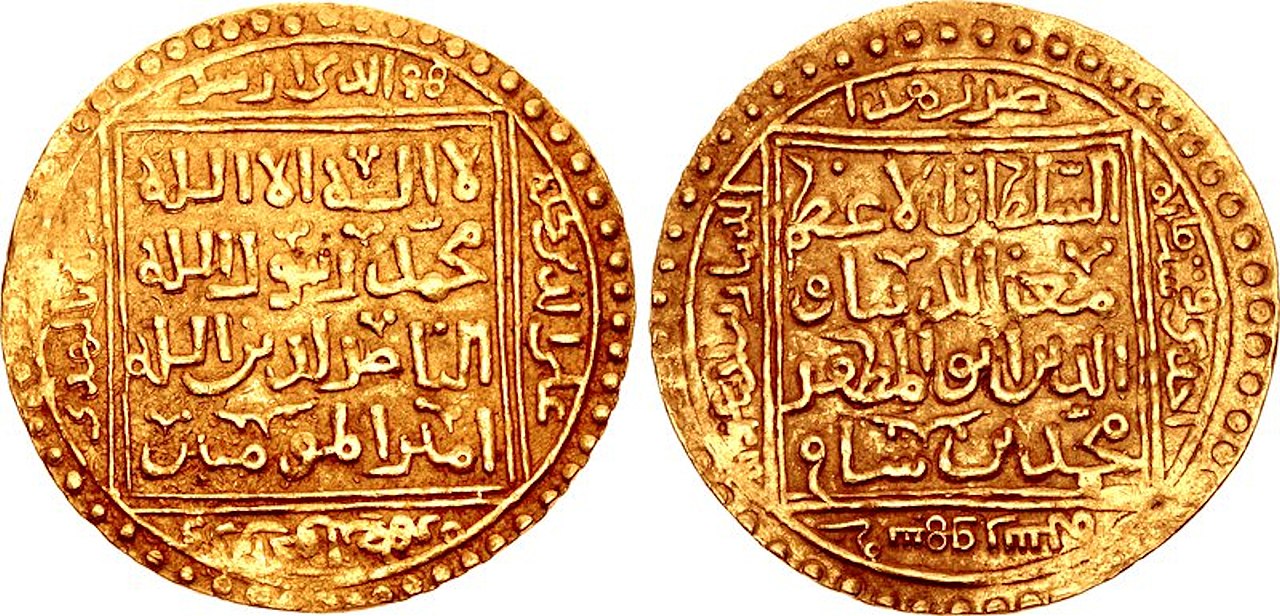
Muizz al-Din Muhammad Ghori and Ghurid coinage
Persian sultan, campaigns into India, hybrid Persian-Indic dies.
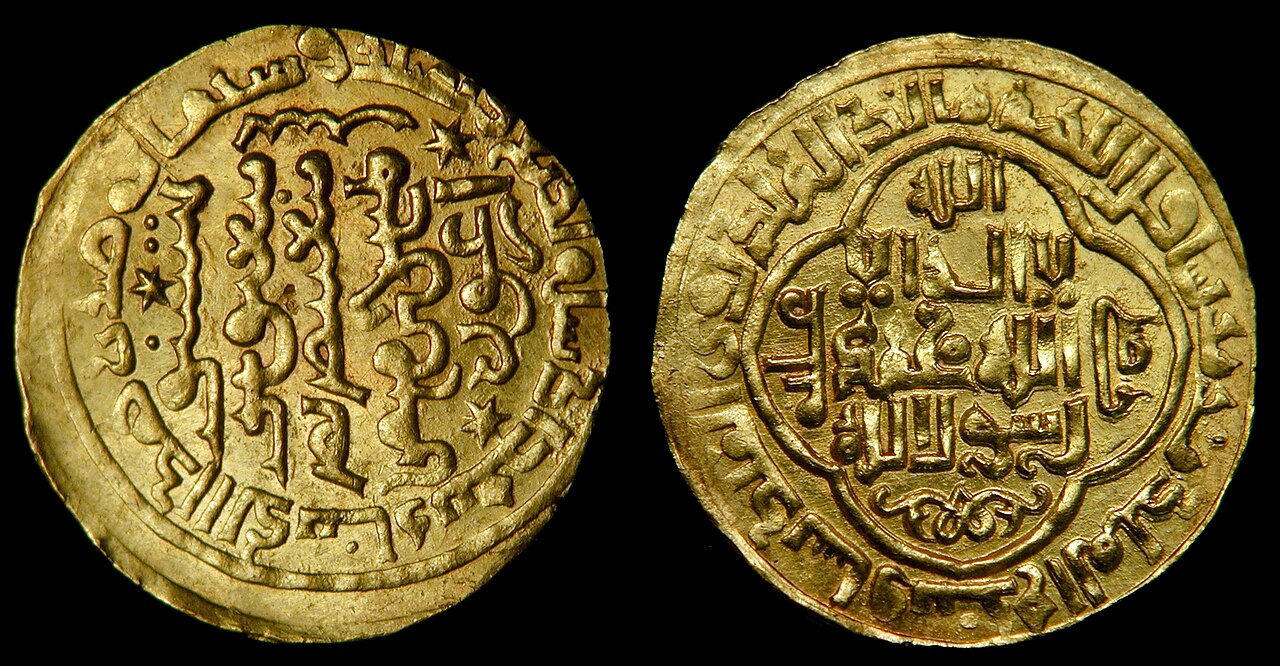
Ilkhanid coinage after the Mongol conquest
Trilingual inscriptions, conversion to Islam under Ghazan, Tabriz tankas.
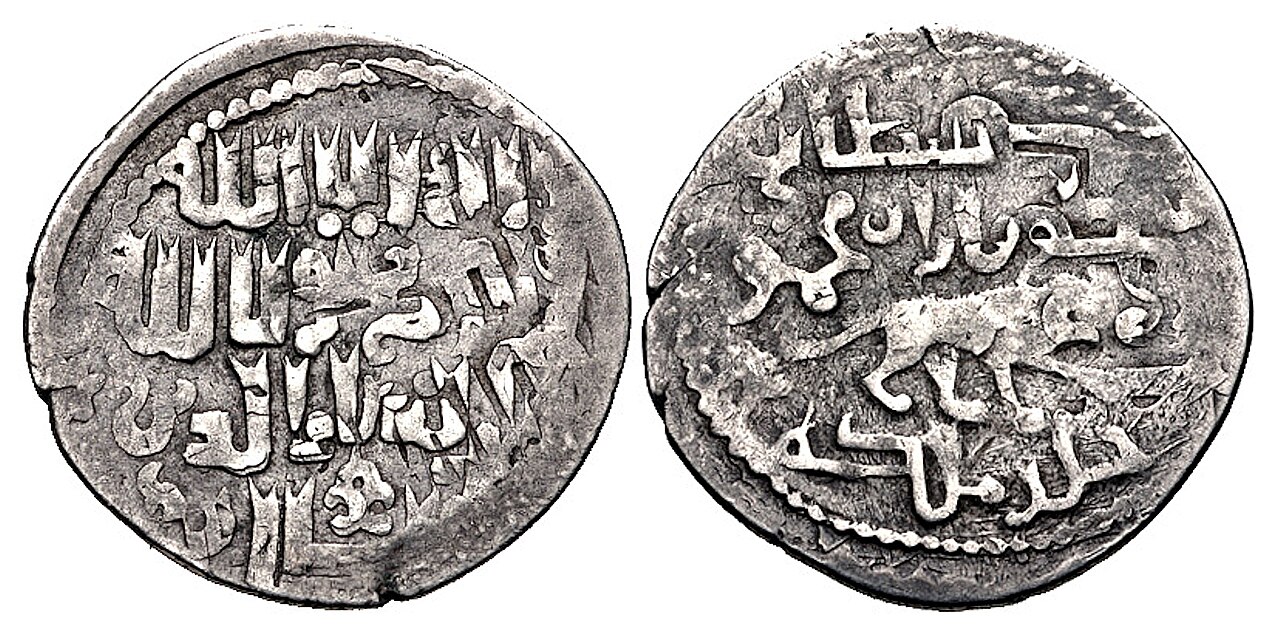
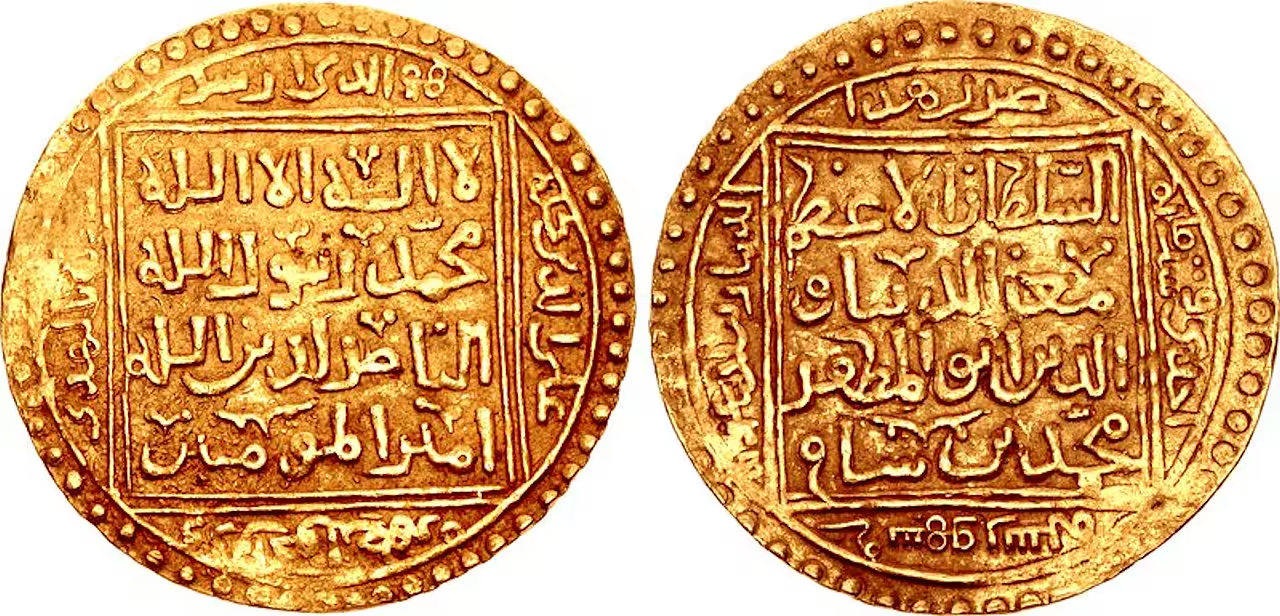
The Qutlughkhanids of Kirman under Ilkhanid overlordship
Muzaffar al-Din Muhammad Shah, dirhams citing Ghazan Mahmud, Kirman mint.
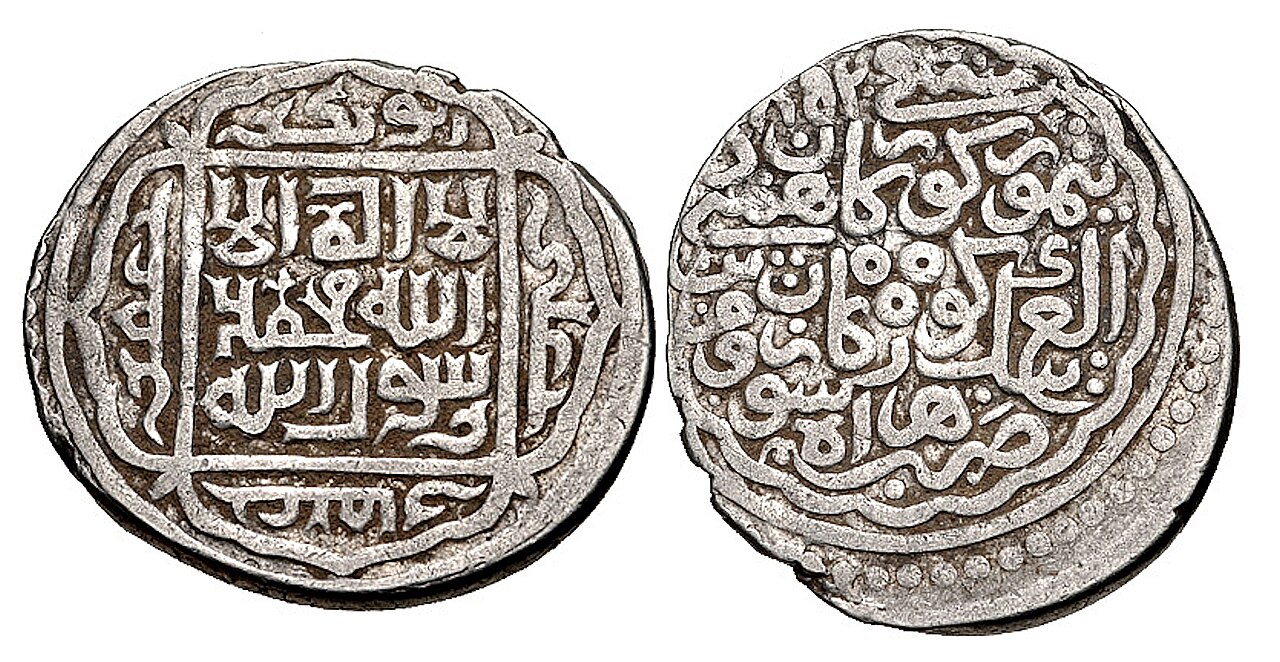
Timurid coinage: silver tanka of Samarkand and Herat
Ulugh Beg's Herat tanka, astronomical context, Persian artistic flowering.
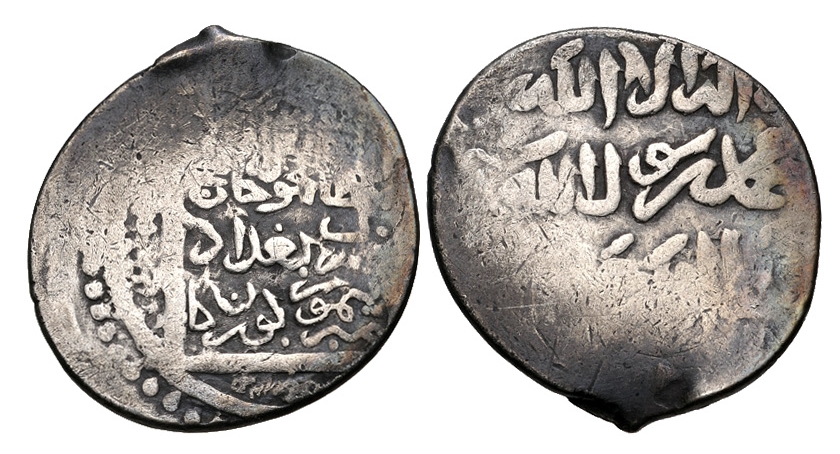
Timur's coinage citing the Chagatai khan
Baghdad mint 1393 tanka, political theatre of legitimacy through a puppet khan.
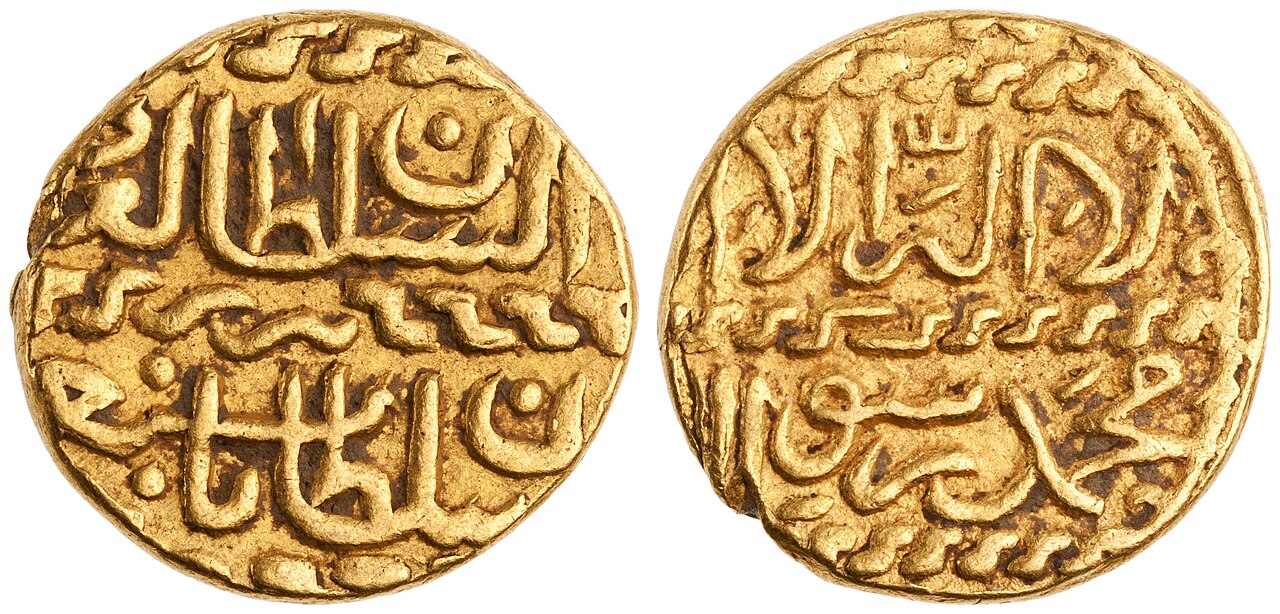
Aq Qoyunlu coinage: White Sheep in Tabriz
Uzun Hasan and Baysunghur tankas, transition to Safavid coinage.
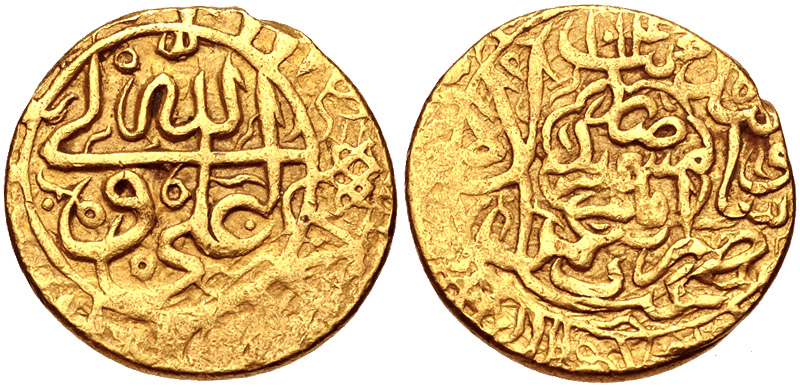
The Safavid abbasi: a silver standard for an empire
Shah Abbas reform, weight of the abbasi, mint cities across the realm.
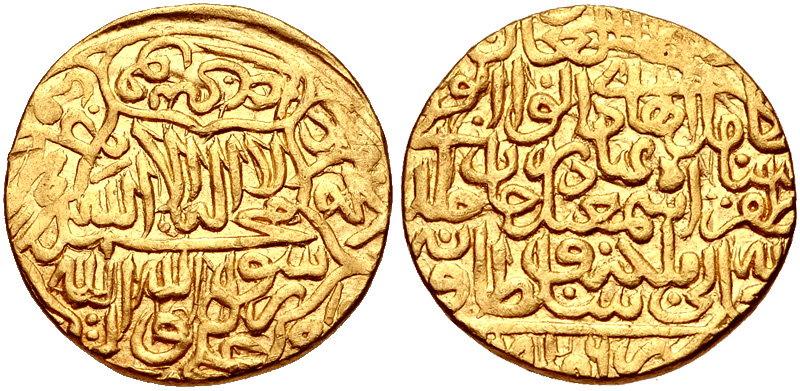
Shah Ismail I and the Shiʿi shahada on coins
Twelver Shiʿi legends, Tabriz mint, religious-political messaging in metal.
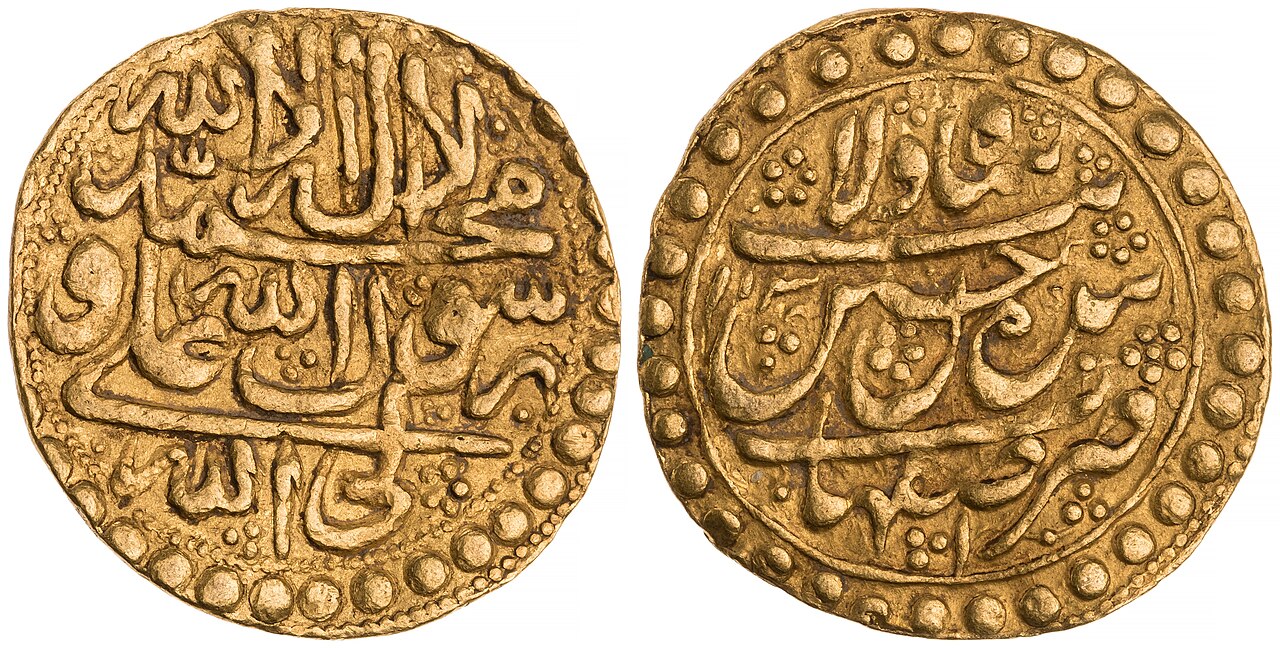
Shah Soltan Hoseyn and the Isfahan mint's twilight
1717–18 issues on the eve of the Afghan invasion, silver output.
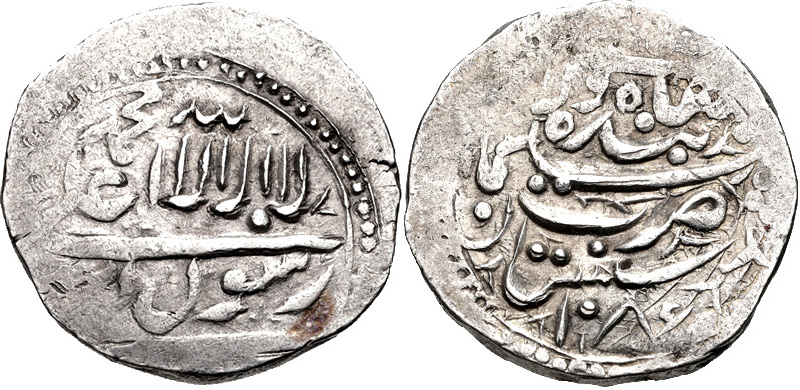
The silver abbasi of Suleiman I from Sistan
Provincial output, Sistan mint marks, late-Safavid silver quality.
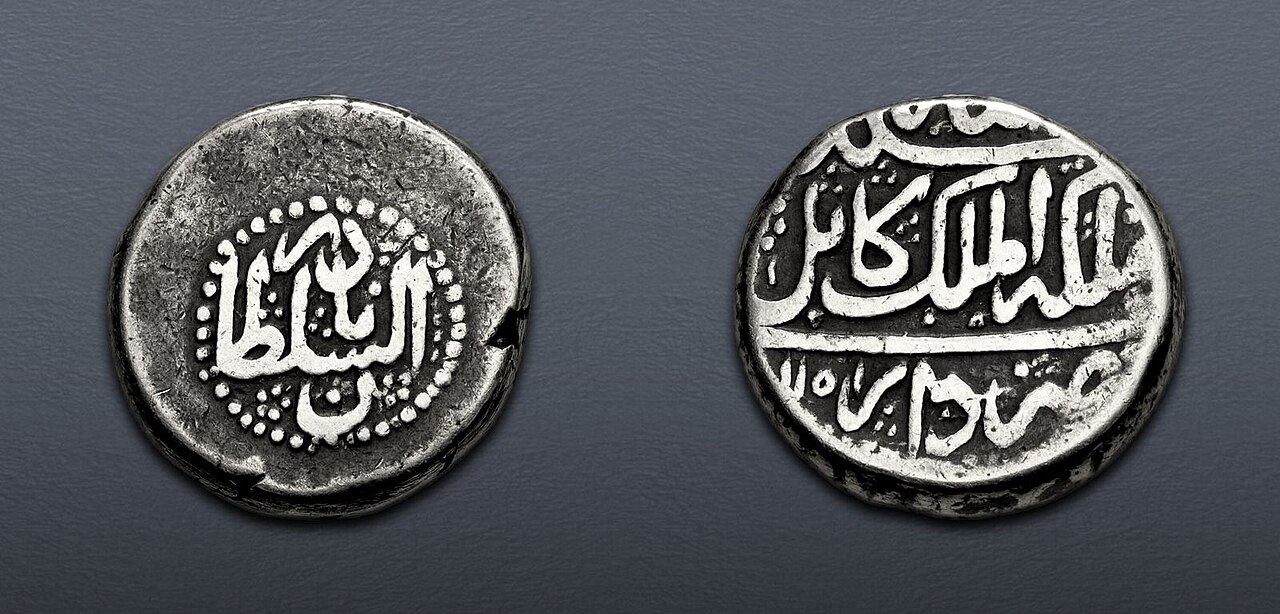
Nader Shah's Indian campaign and the double rupee
Plunder of Delhi, Kabul-mint silver rupees, hybrid Persian-Mughal weight standards.
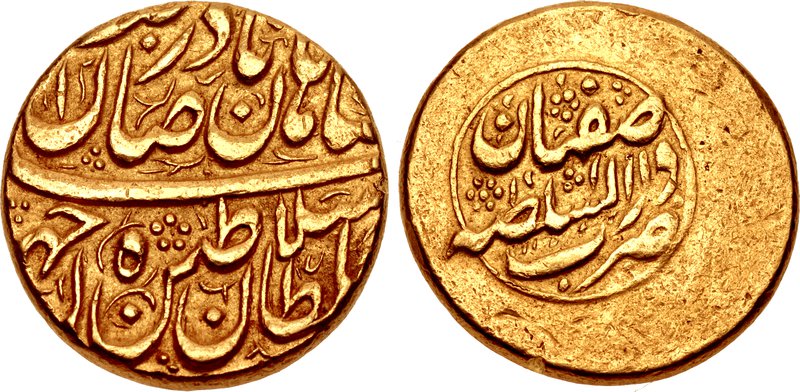
Nader Shah's coinage from the Isfahan mint
Post-Safavid restoration, poetic couplets, weight and titulature.
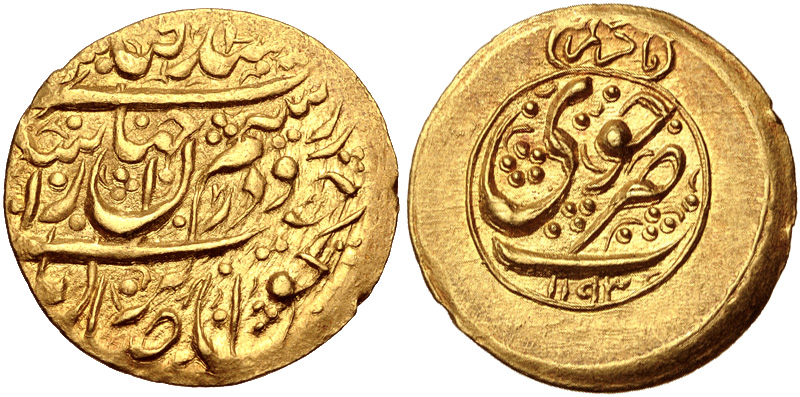
Karim Khan Zand: a vakil's coinage from Shiraz and Khoy
Zand titles ('Vakil al-Ra'aya'), modest gold issues, post-Afsharid civil war.
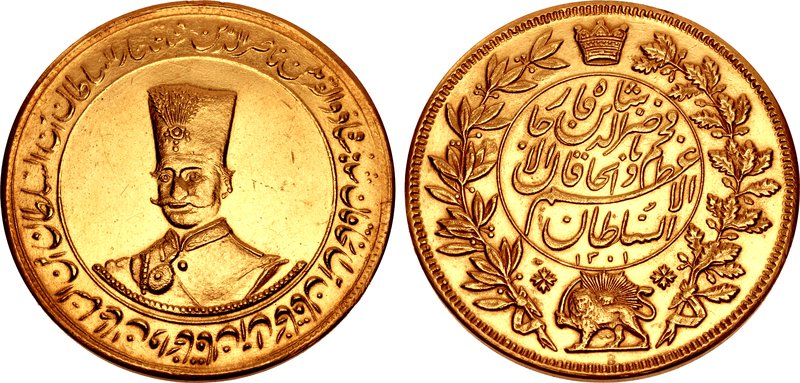
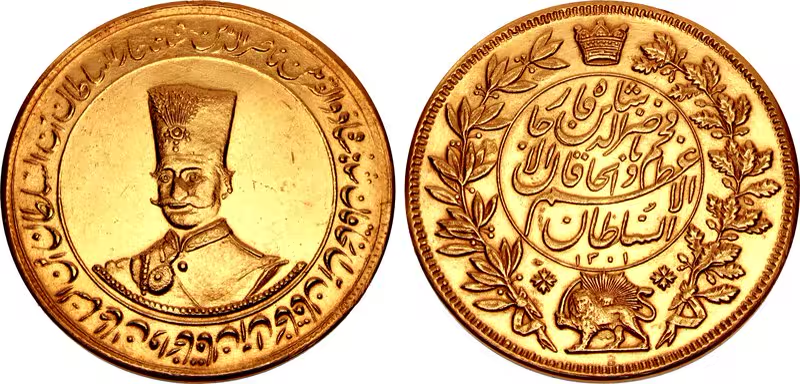
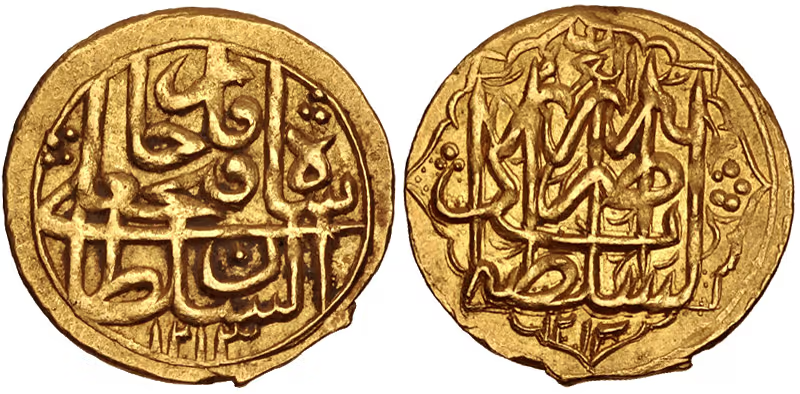
The Qajar toman: gold for a transforming empire
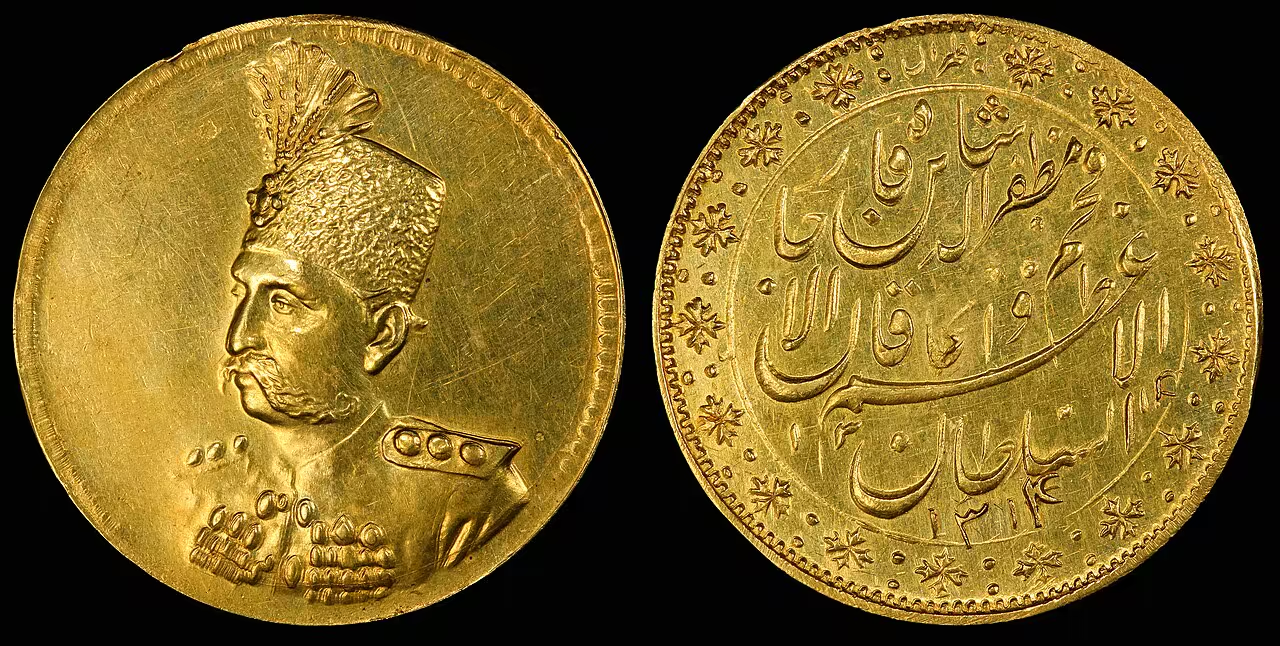
Fath-Ali Shah portrait issues, Nasir al-Din's machine-struck gold, value vs. dollar.
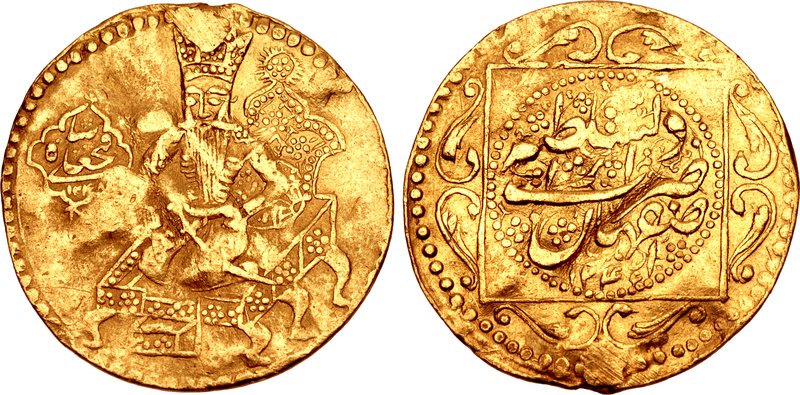
Fath-Ali Shah and the return of the royal portrait
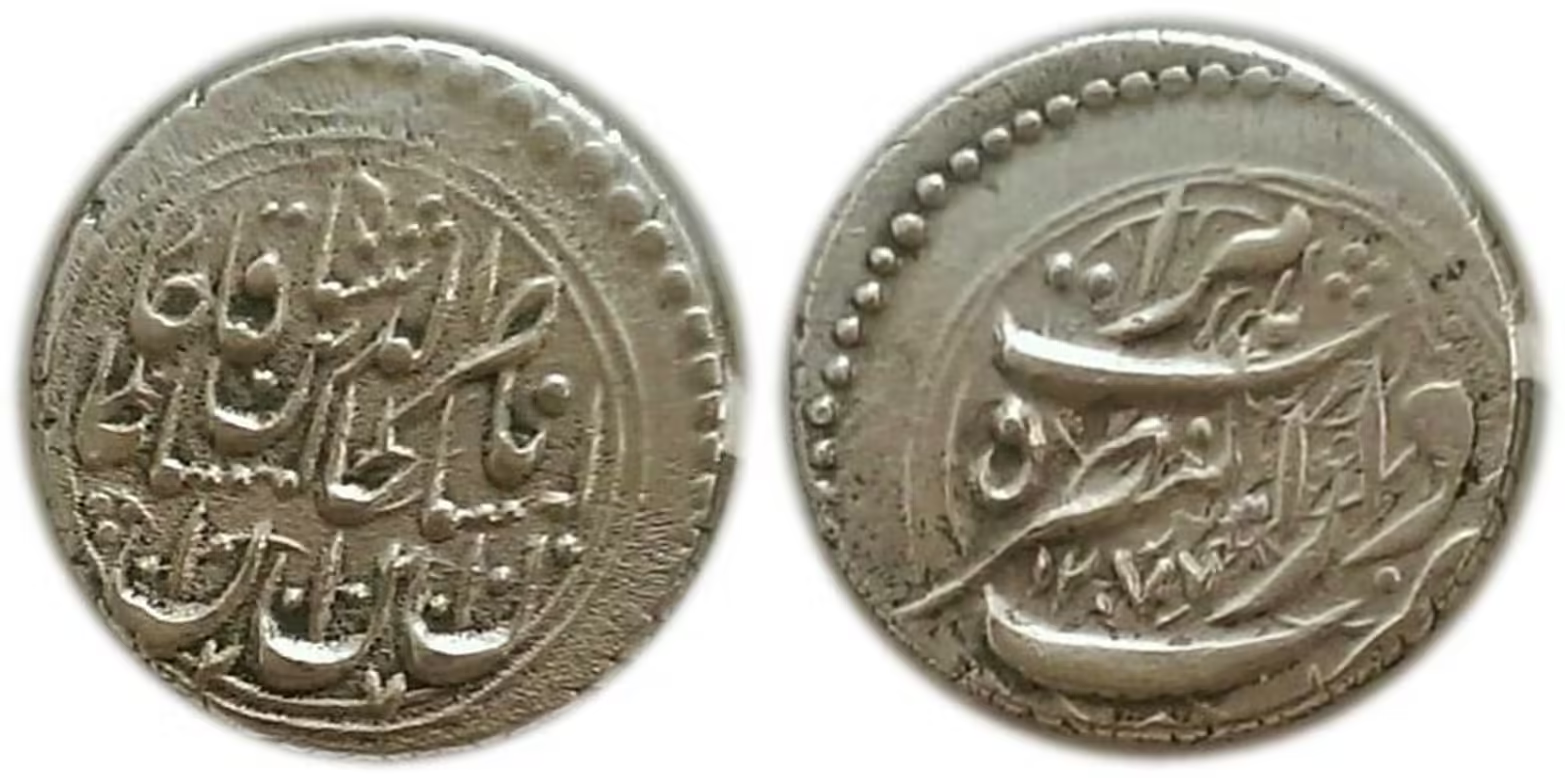
First Qajar to put his bust on coins, beard iconography, propaganda value.
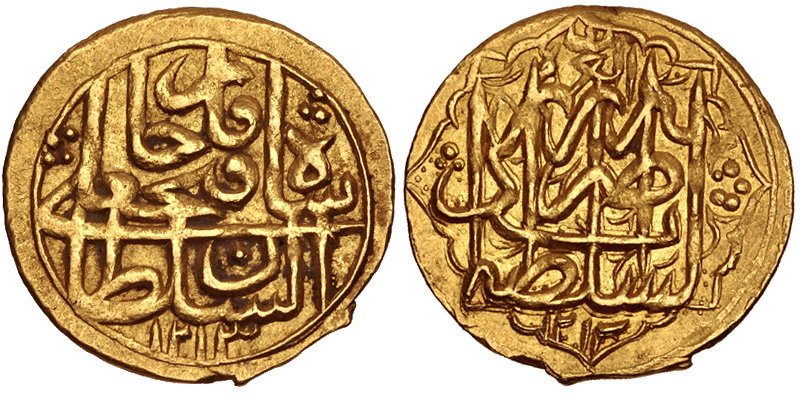
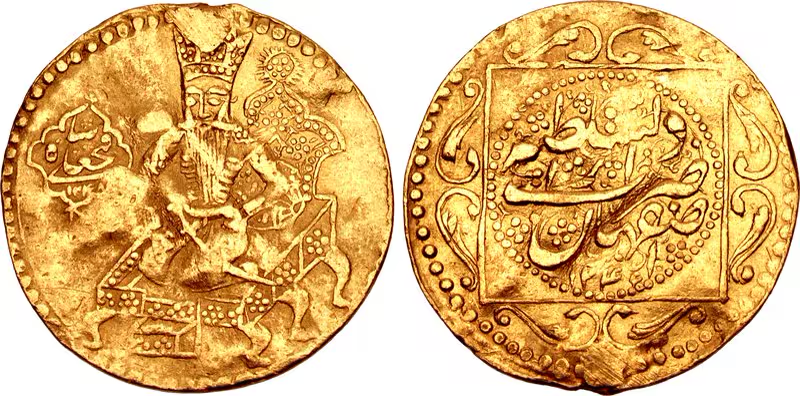
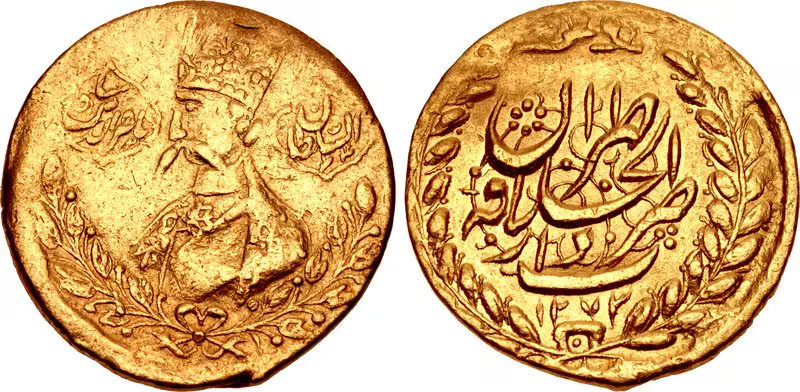
The gold of Fath-Ali Shah struck at Tabriz
Tabriz mint output, Qajar crown-prince court, gold denominations.
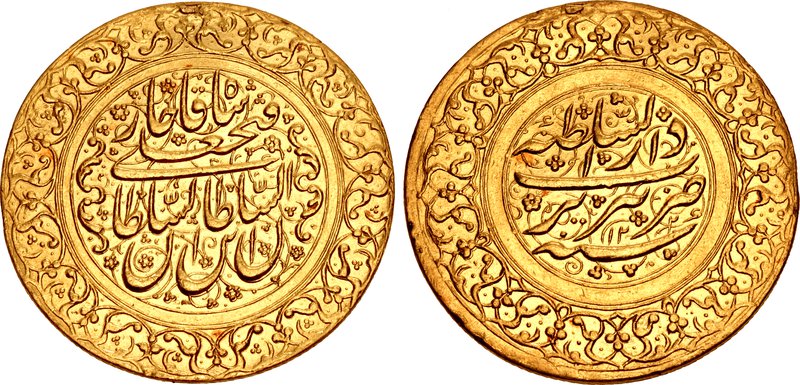
Qajar Nowruz treasure coins from Tabriz
1811 Fath-Ali Shah presentation issue, Nowruz gift tradition, high-relief strike.
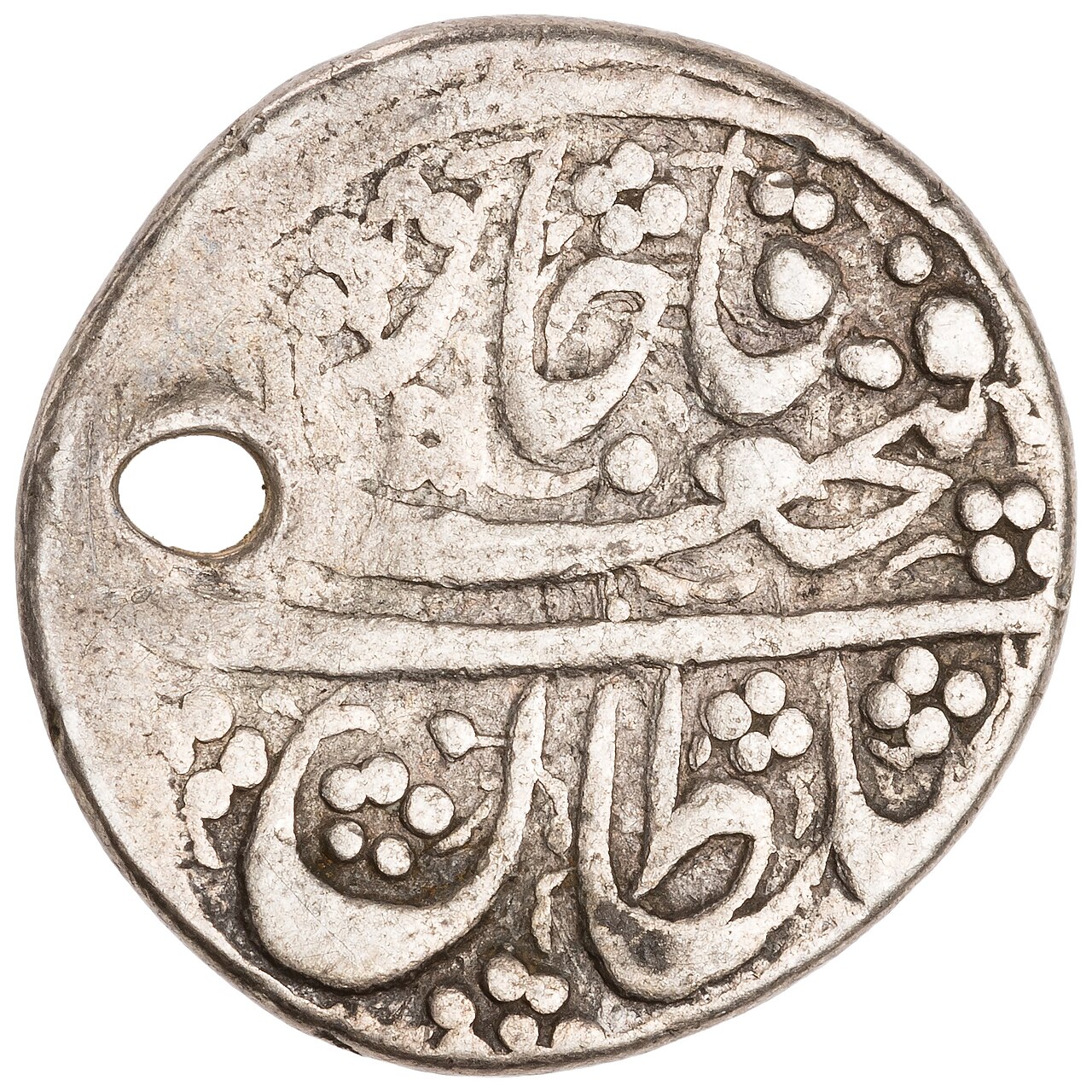
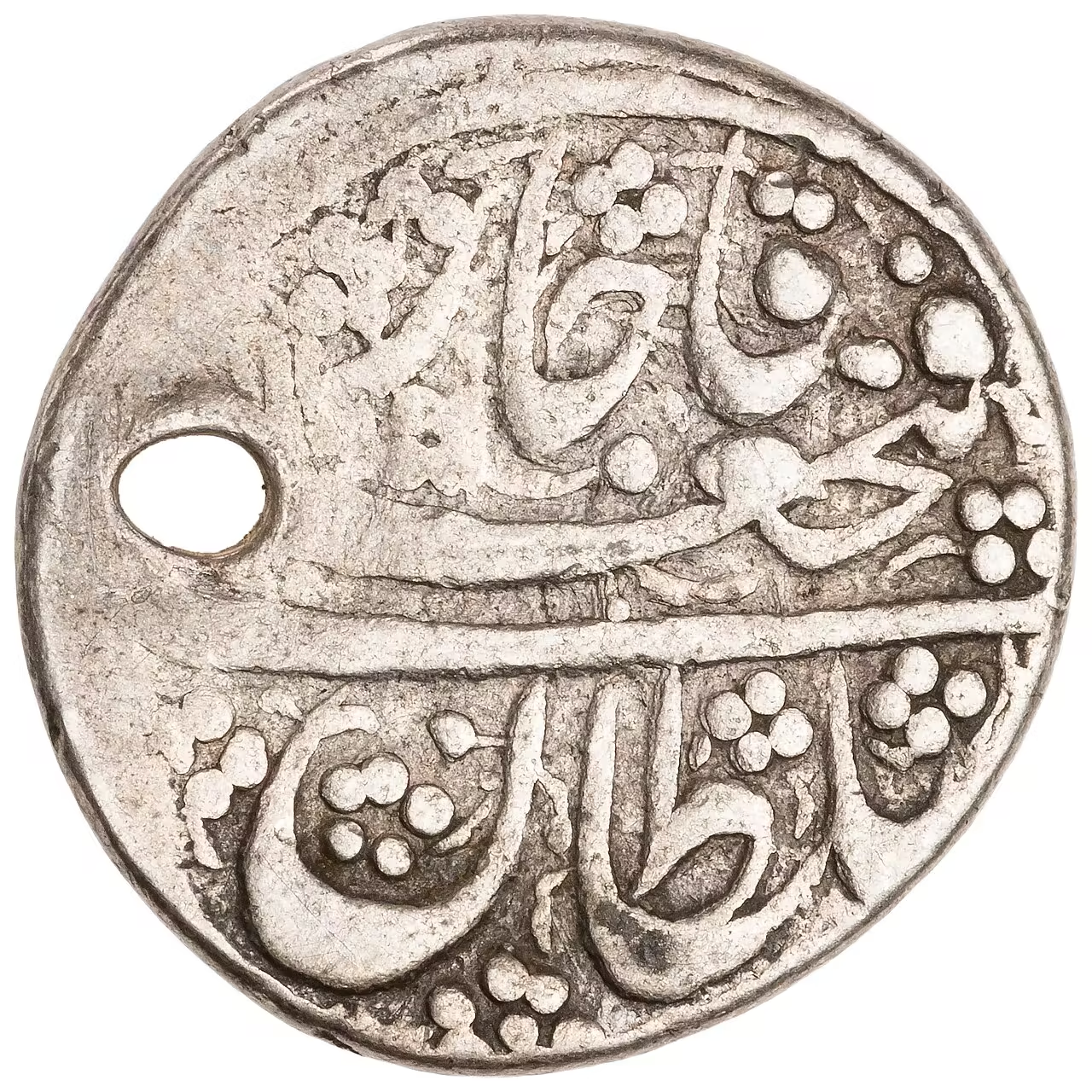
The Qajar Ganja mint under Fath-Ali Shah
Caucasian mint, Russo-Persian frontier, silver output.
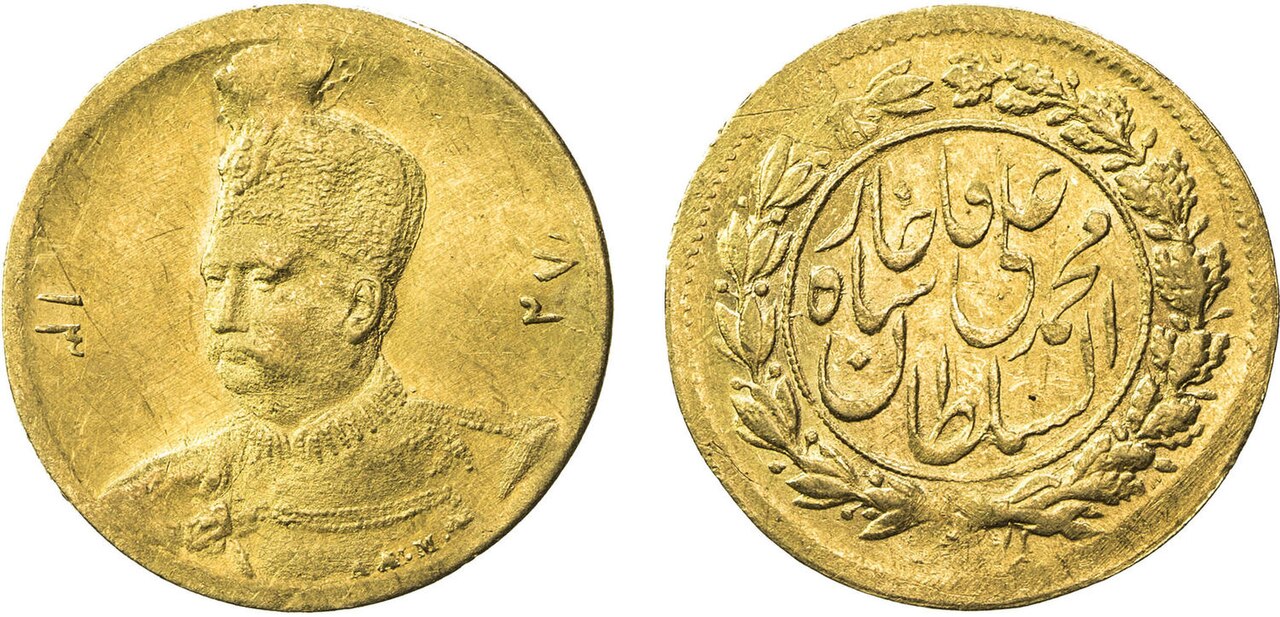
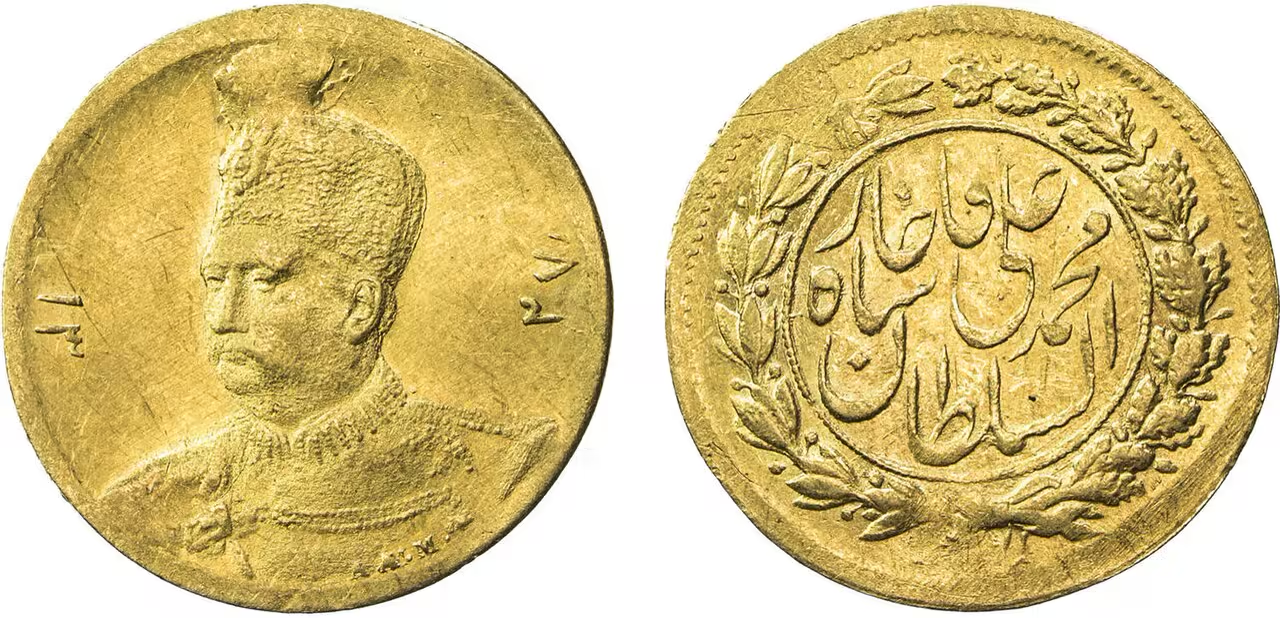
The gold toman of Mohammad Ali Shah
Constitutional Revolution era, Qajar iconography under political pressure.
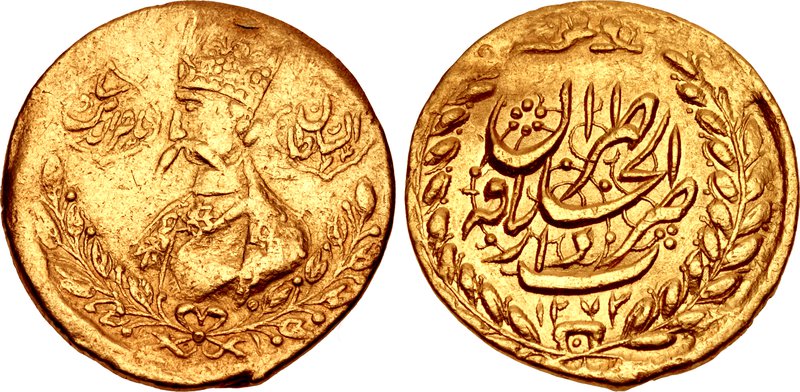
Nasir al-Din Shah and Iran's first machine-struck coins
Imported Belgian presses, Tehran mint modernization, uniform strike quality.
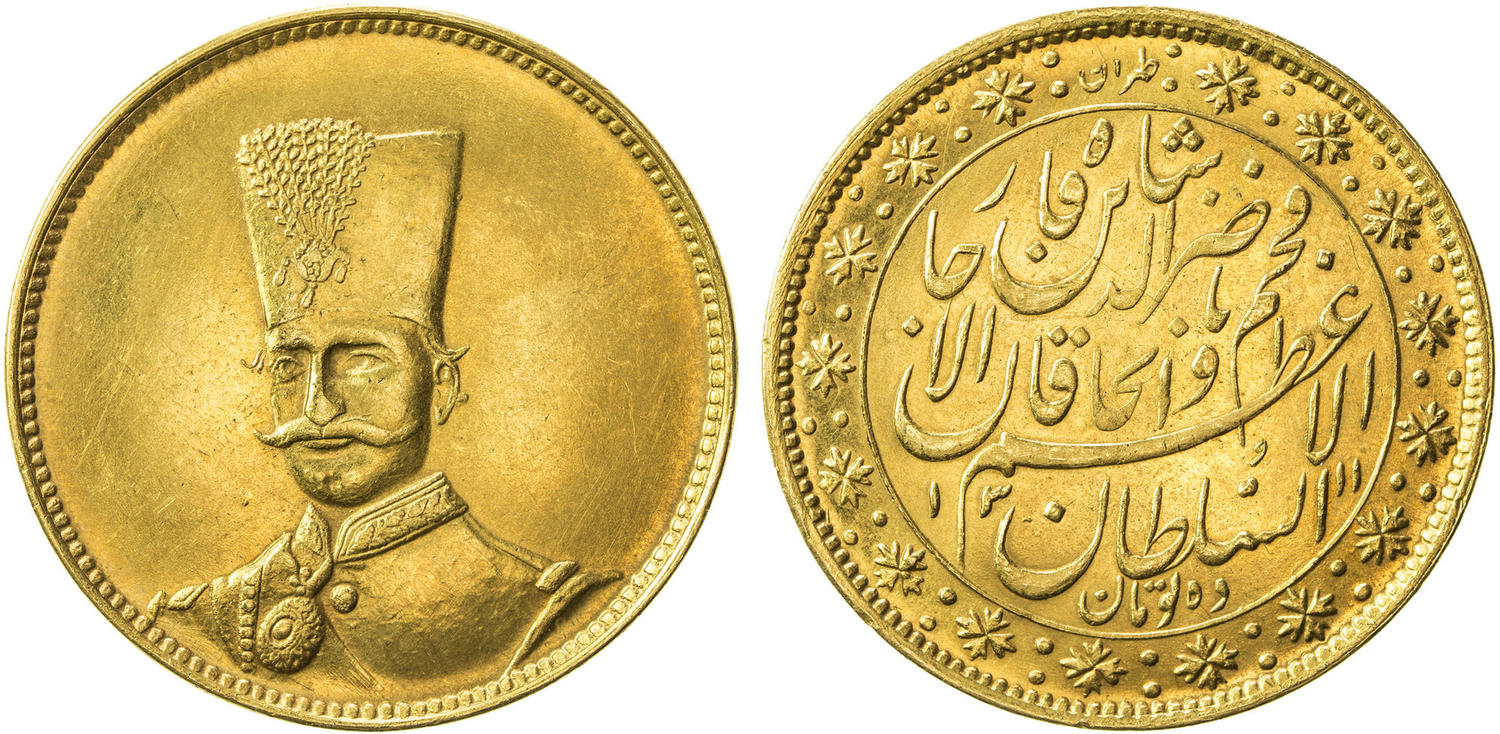
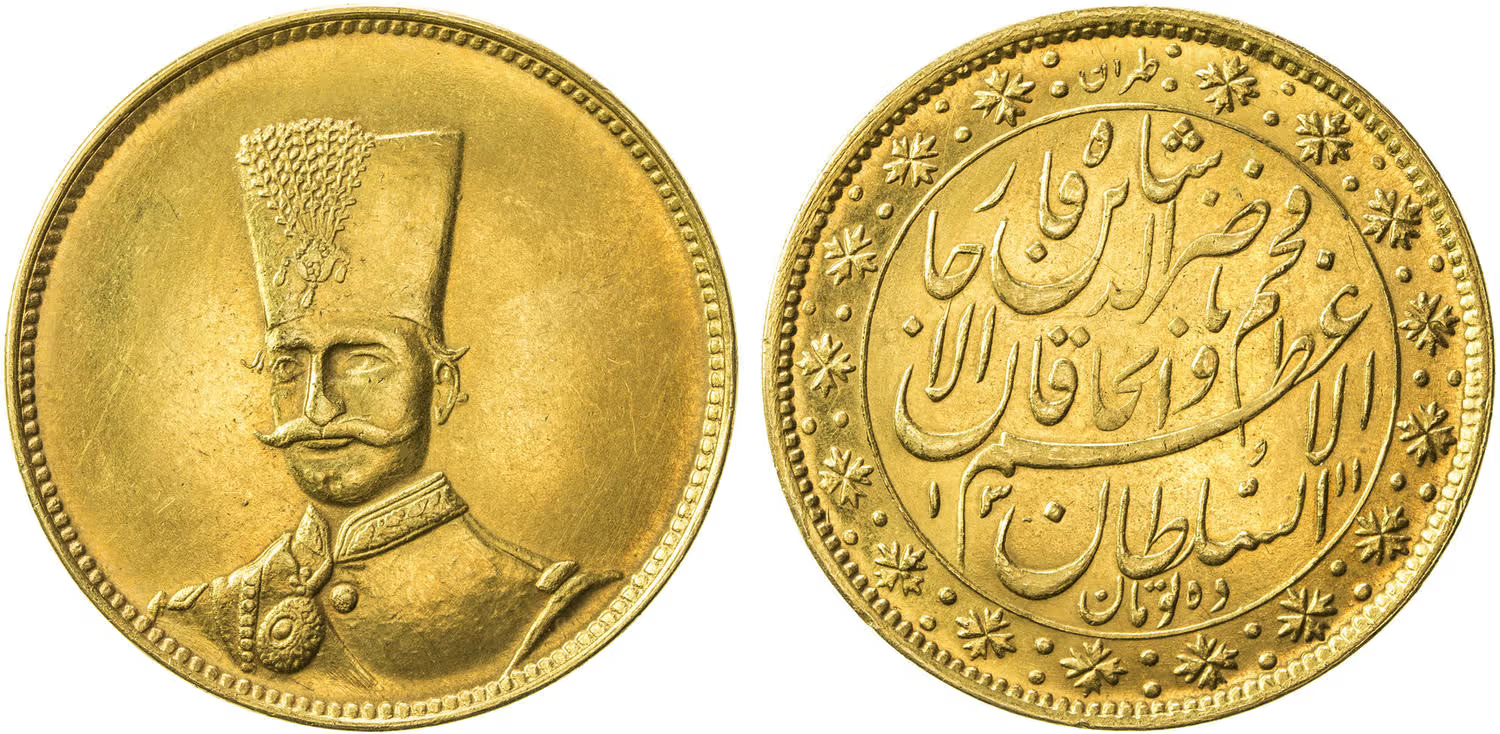
The 10-tuman gold coin of Nasir al-Din Shah
Large denomination, lion-and-sun reverse, presentation contexts.
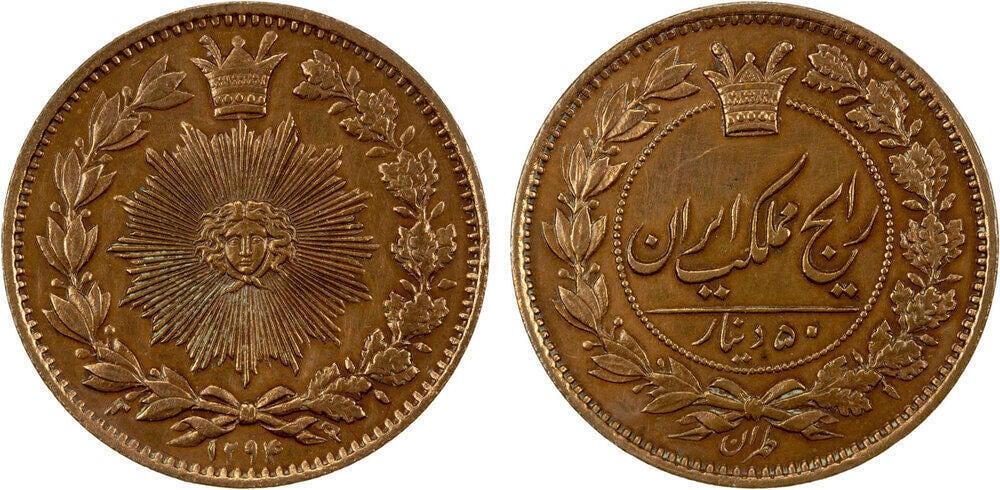
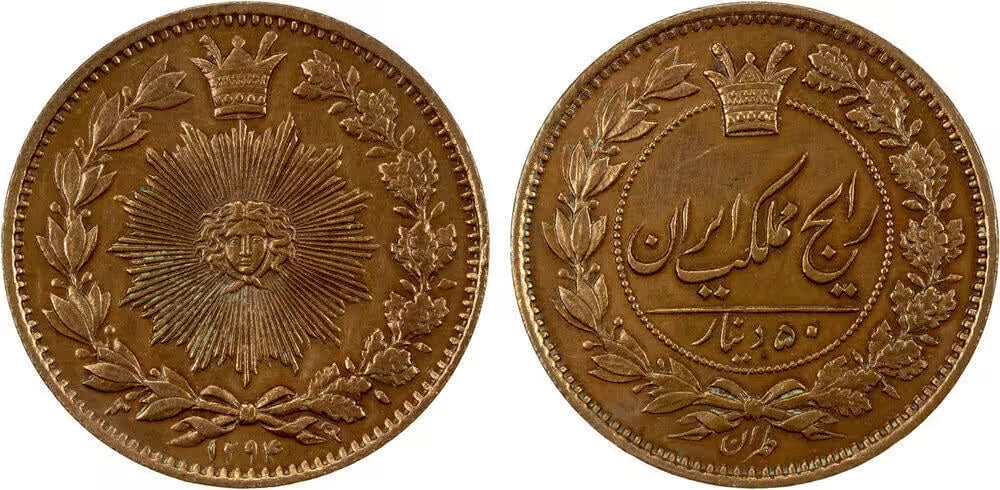
The small change of Nasir al-Din: 50-dinar coppers
Base-metal coinage for daily use, denominations below the toman.
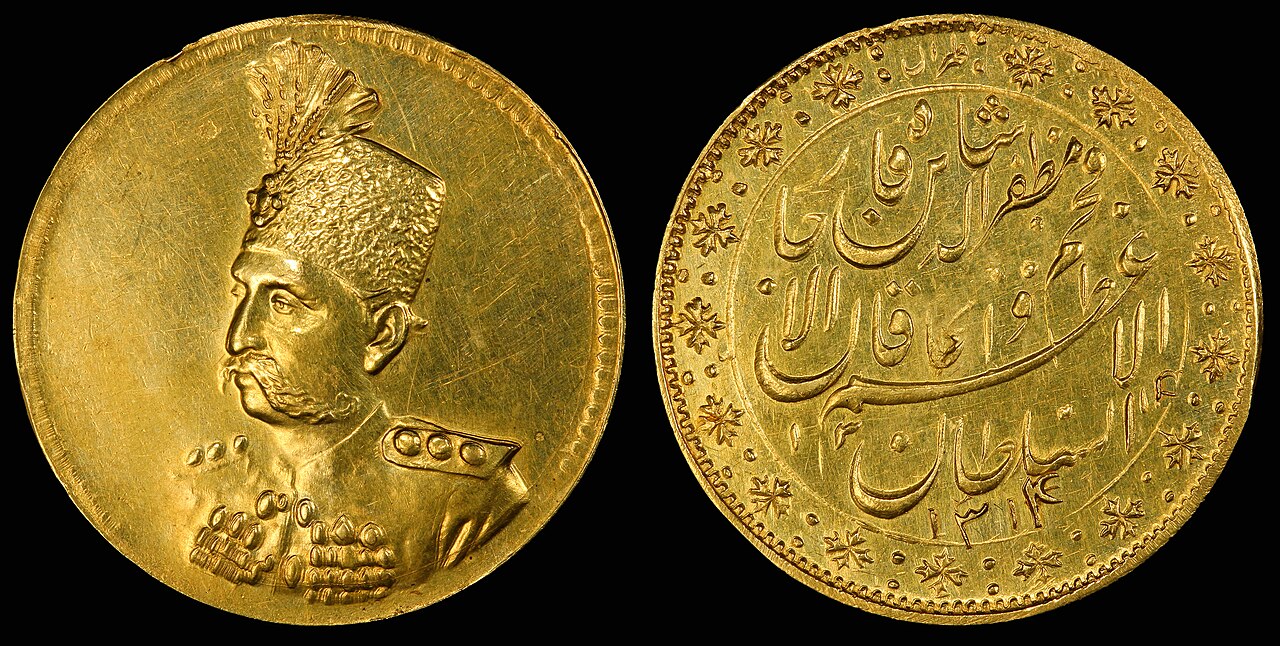
The 1896 10-toman piece and Nasir al-Din's last coinage
Assassination year issue, iconographic continuity, weight standard.
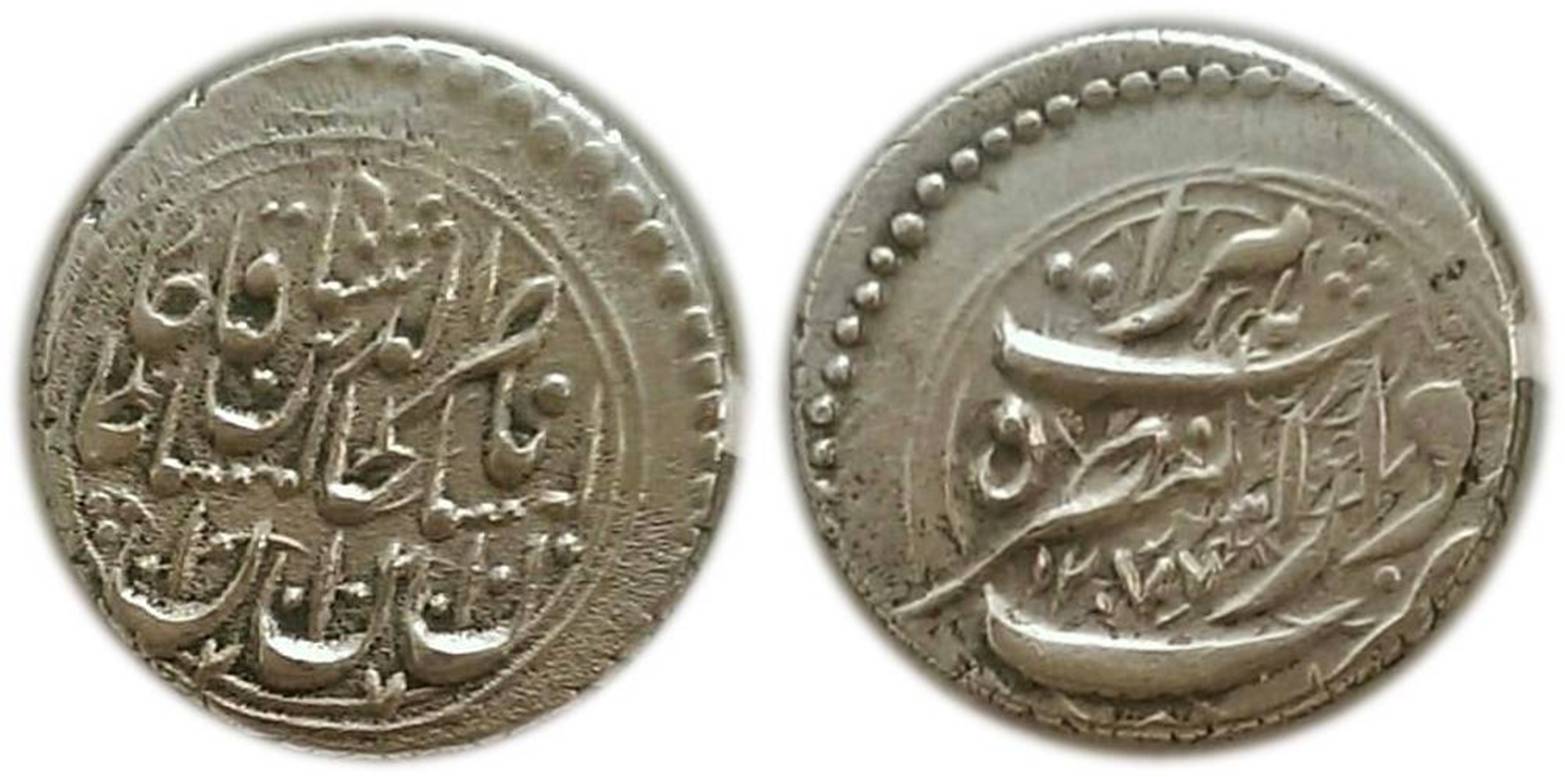
The qiran of Herat under Nasir al-Din
Silver qiran denomination, Herat mint, Afghan frontier context.
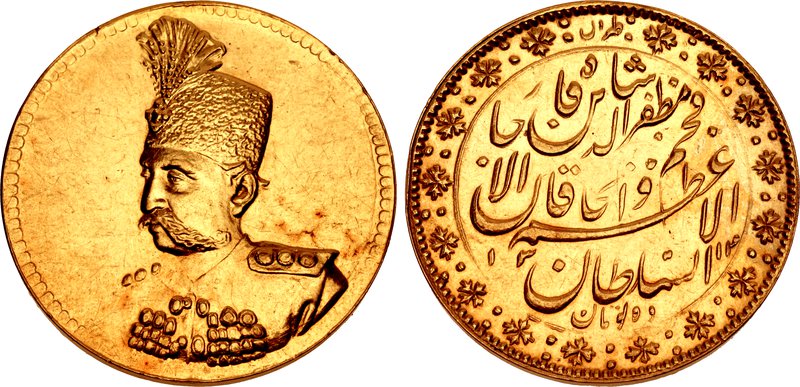
Mozaffar al-Din Shah and the coinage of a fading regime
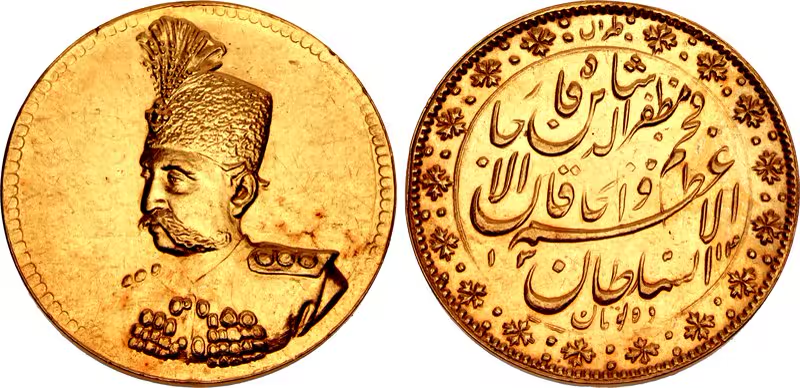
Constitutional Revolution context, Tehran mint issues, nastaliq calligraphy.
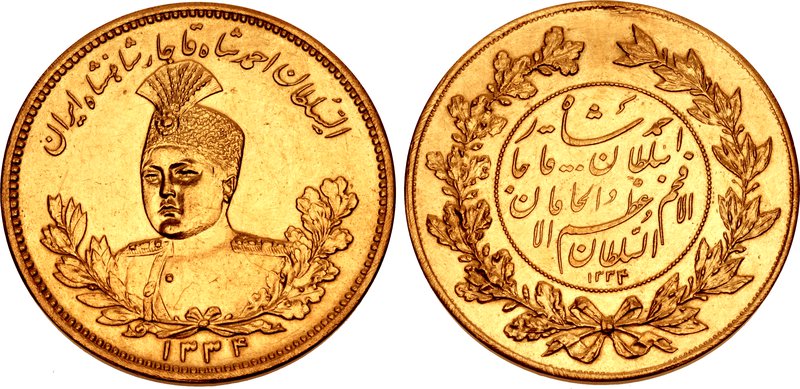
Ahmad Shah Qajar: coinage of Iran's last Qajar
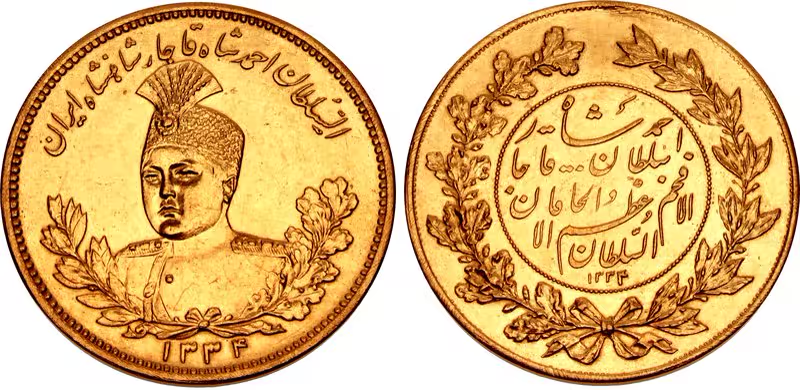
Tehran mint, 1909–25 issues, dynasty's fall to Reza Khan.
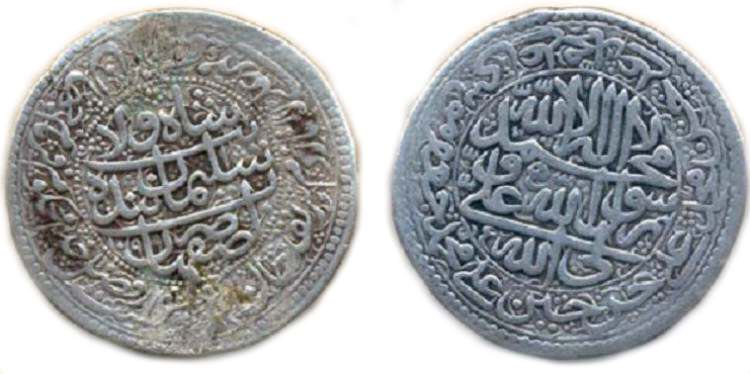
The 20-shahi coin of 1690 Isfahan
Safavid silver denomination, Isfahan mint marks, purchasing power in context.
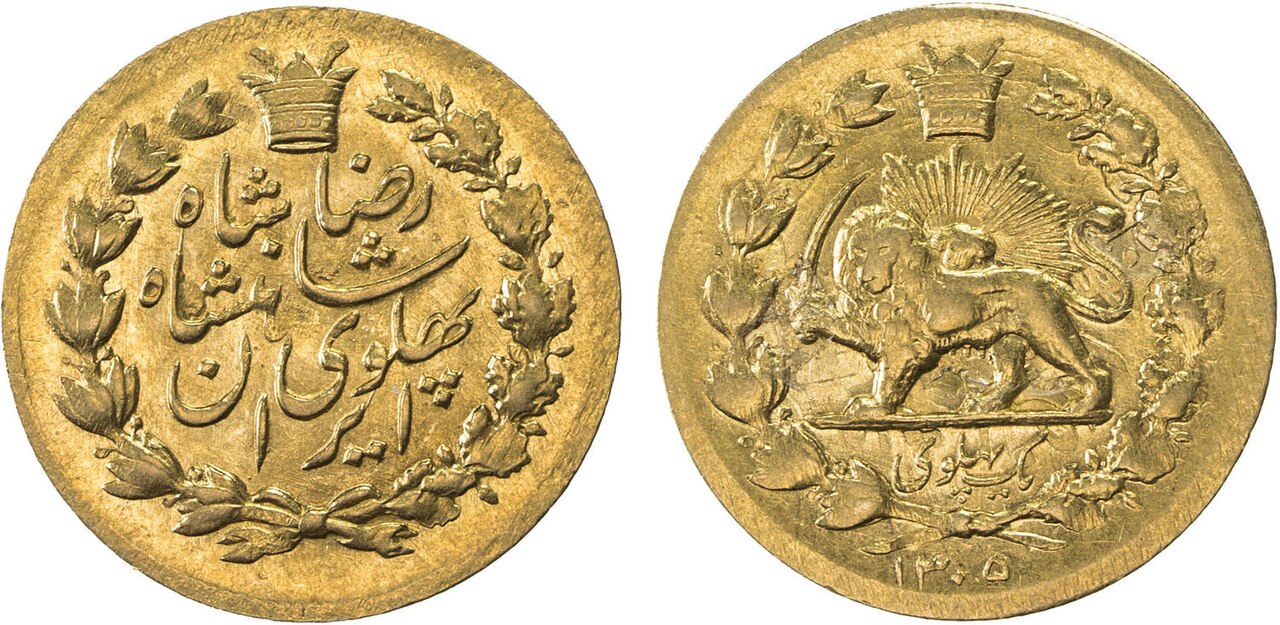
The Pahlavi: 20th-century gold of the Iranian crown
Reza Shah's silver and gold, full and quarter Pahlavi sizes, post-1925 modernization.
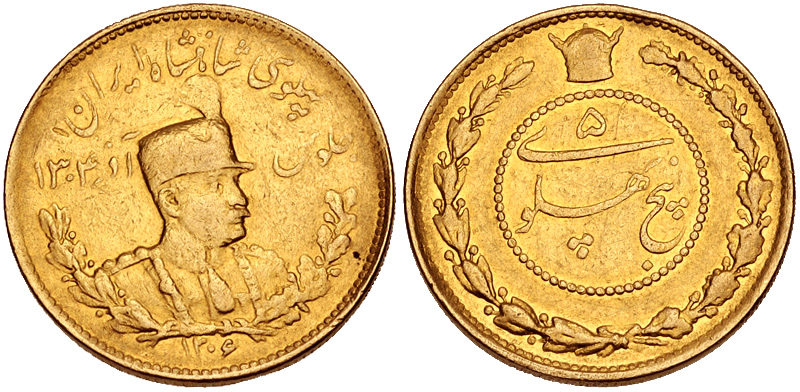
The gold coinage of Reza Shah from the Tehran mint
1930s issues, Bank Melli era, weight and lion-and-sun iconography.
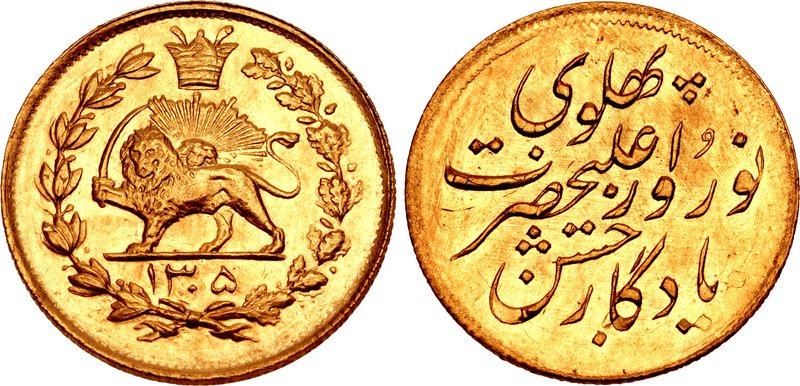
Reza Shah's first-Nowruz commemorative coin
Pahlavi legitimacy building, Nowruz iconography, commemorative context.
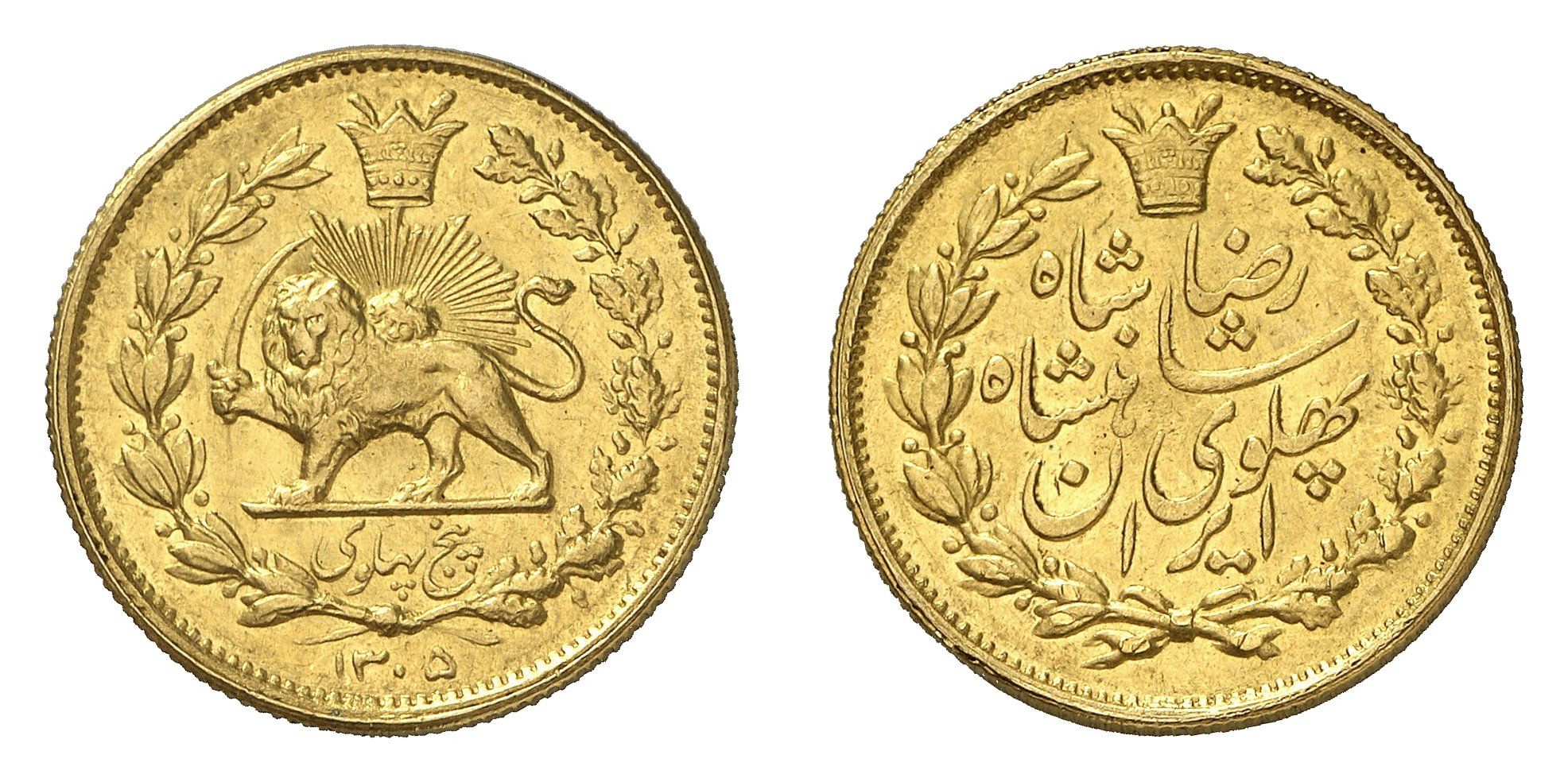
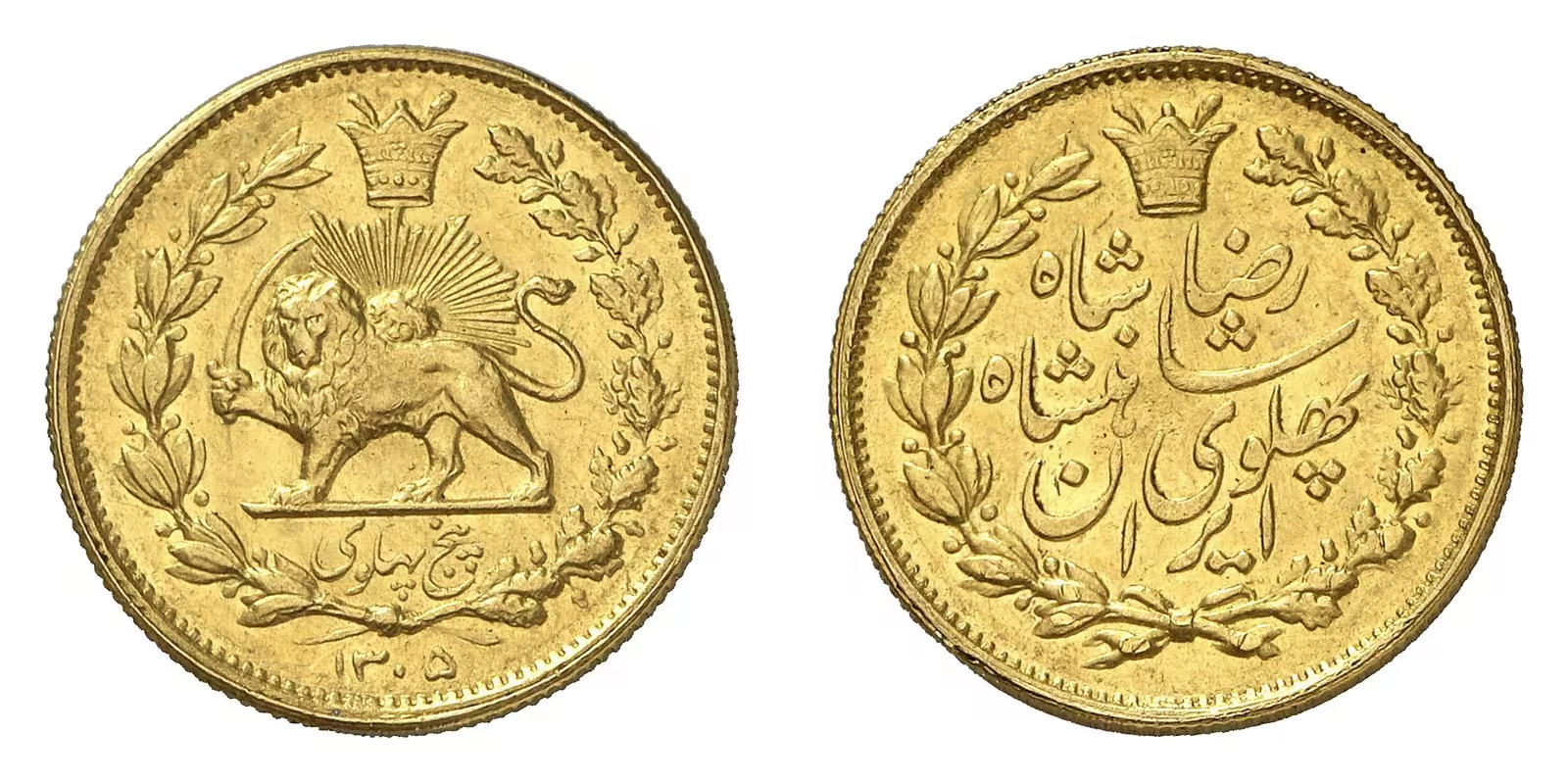
The 5-Pahlavi: crown jewel of Iranian gold coinage
Large gold denomination, weight ~40 g, presentation and hoarding.
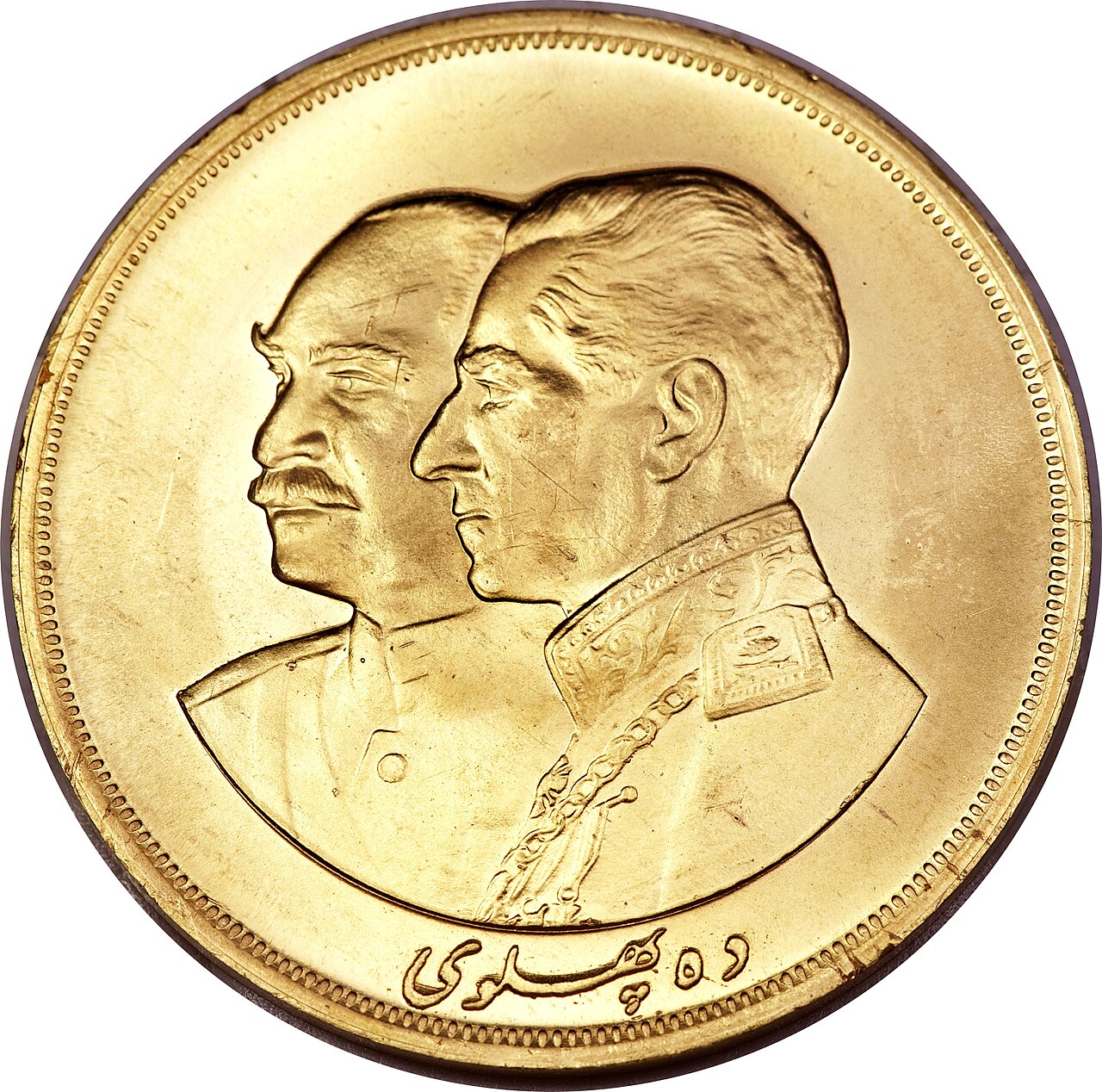
The 10-Pahlavi of 1976: gold at its largest
Mohammad Reza era mega-denomination, ceremonial function, gold hedge for citizens.
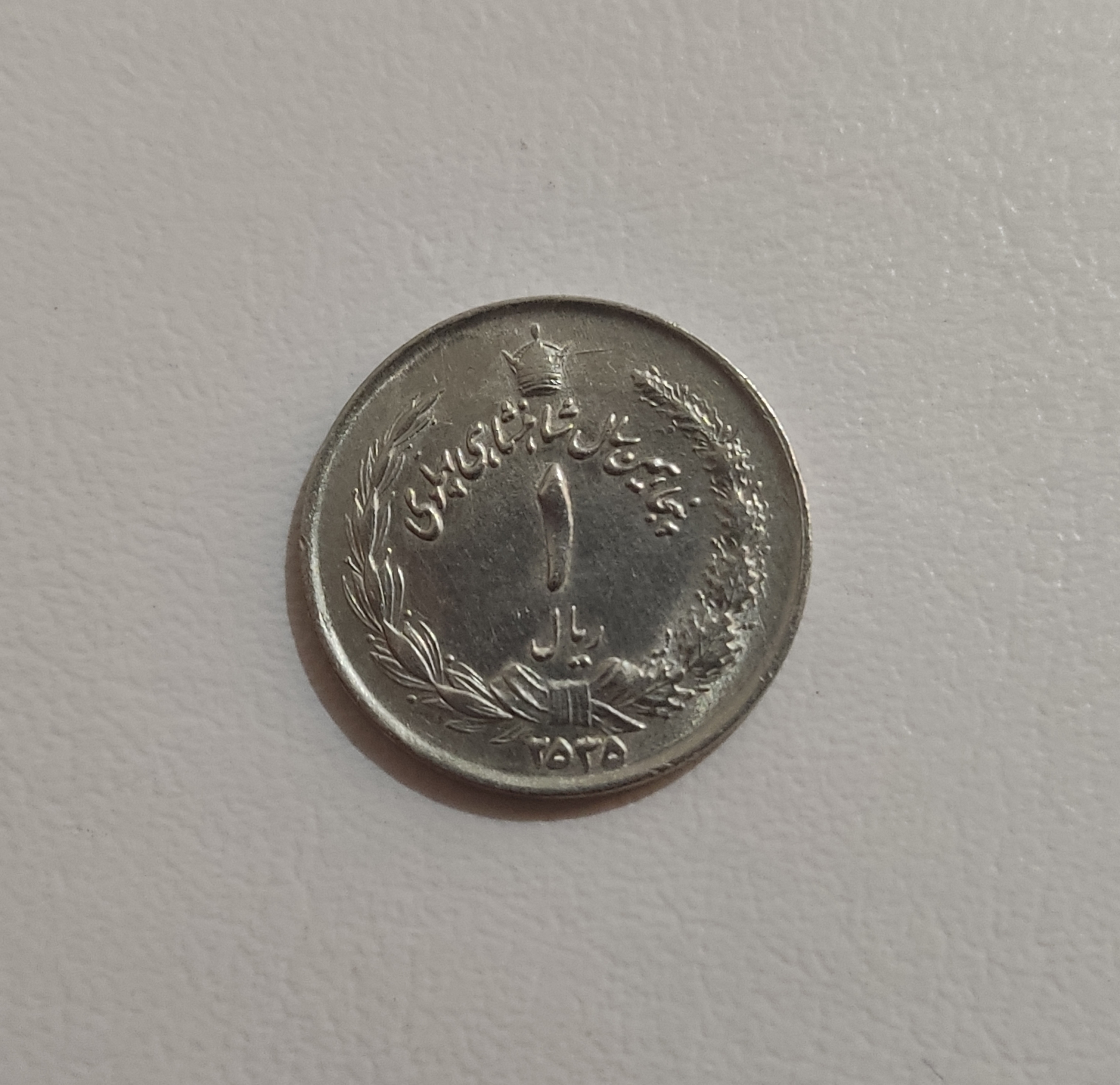
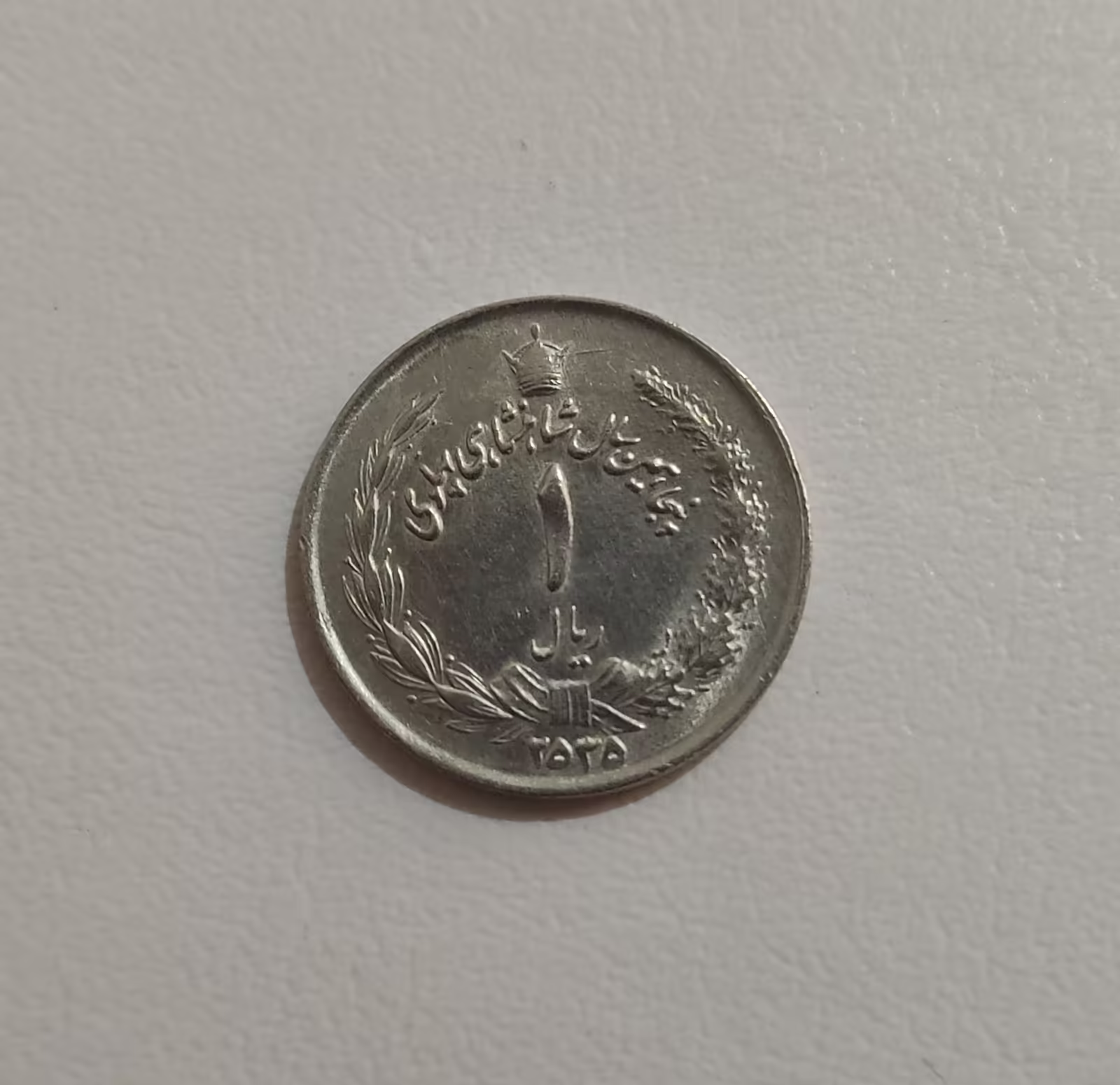
The rial coin series of the Pahlavi Empire
1-, 2-, 5-, 10-, 20-rial base-metal denominations, iconographic evolution.
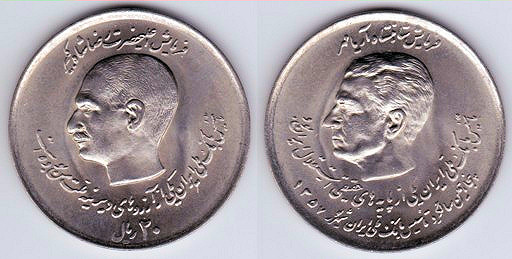
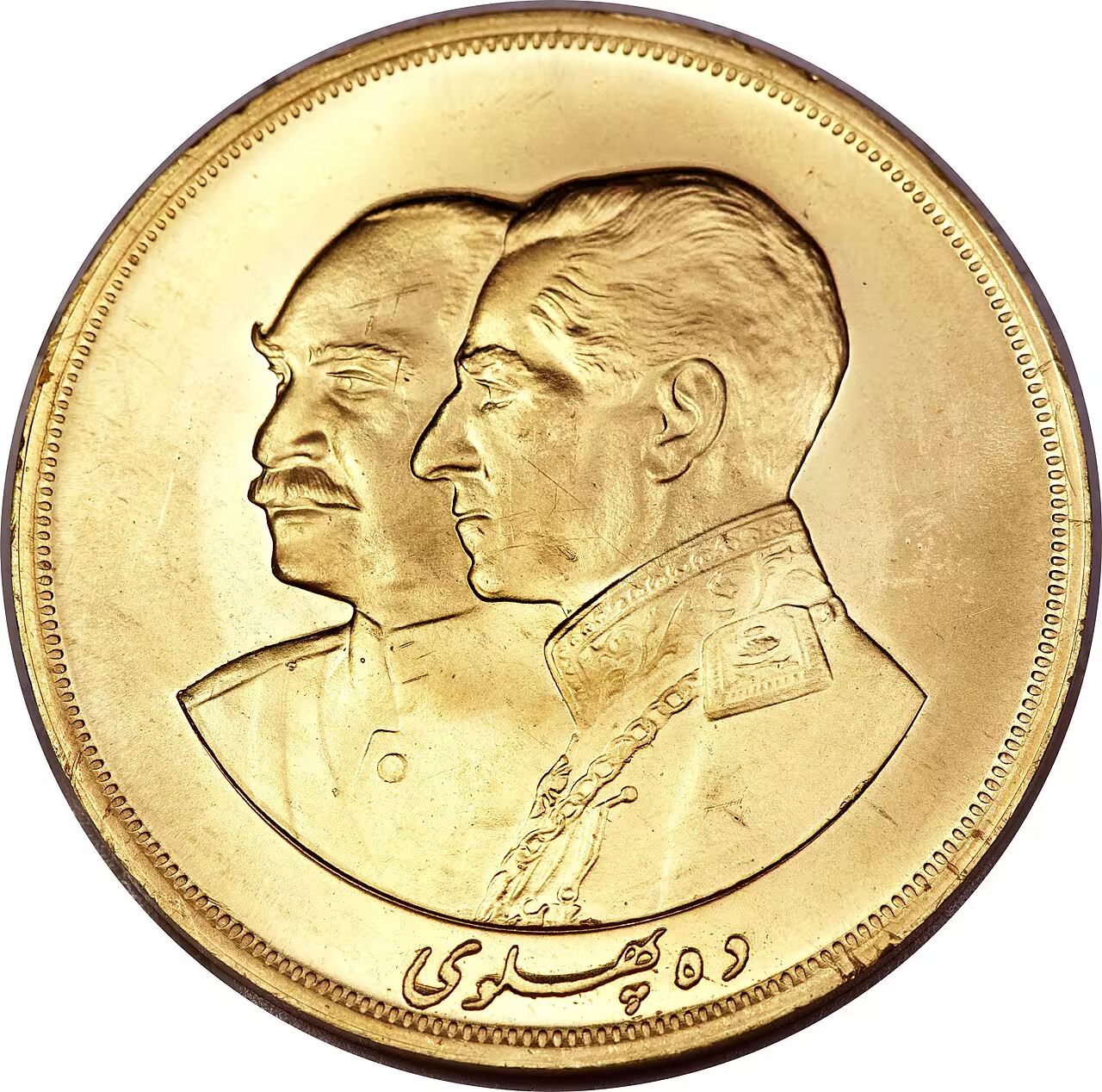
The 1978 20-rial coin: Bank Melli commemorative
Reza Shah and Mohammad Reza portraits, National Bank quotes, dual-Shah iconography.
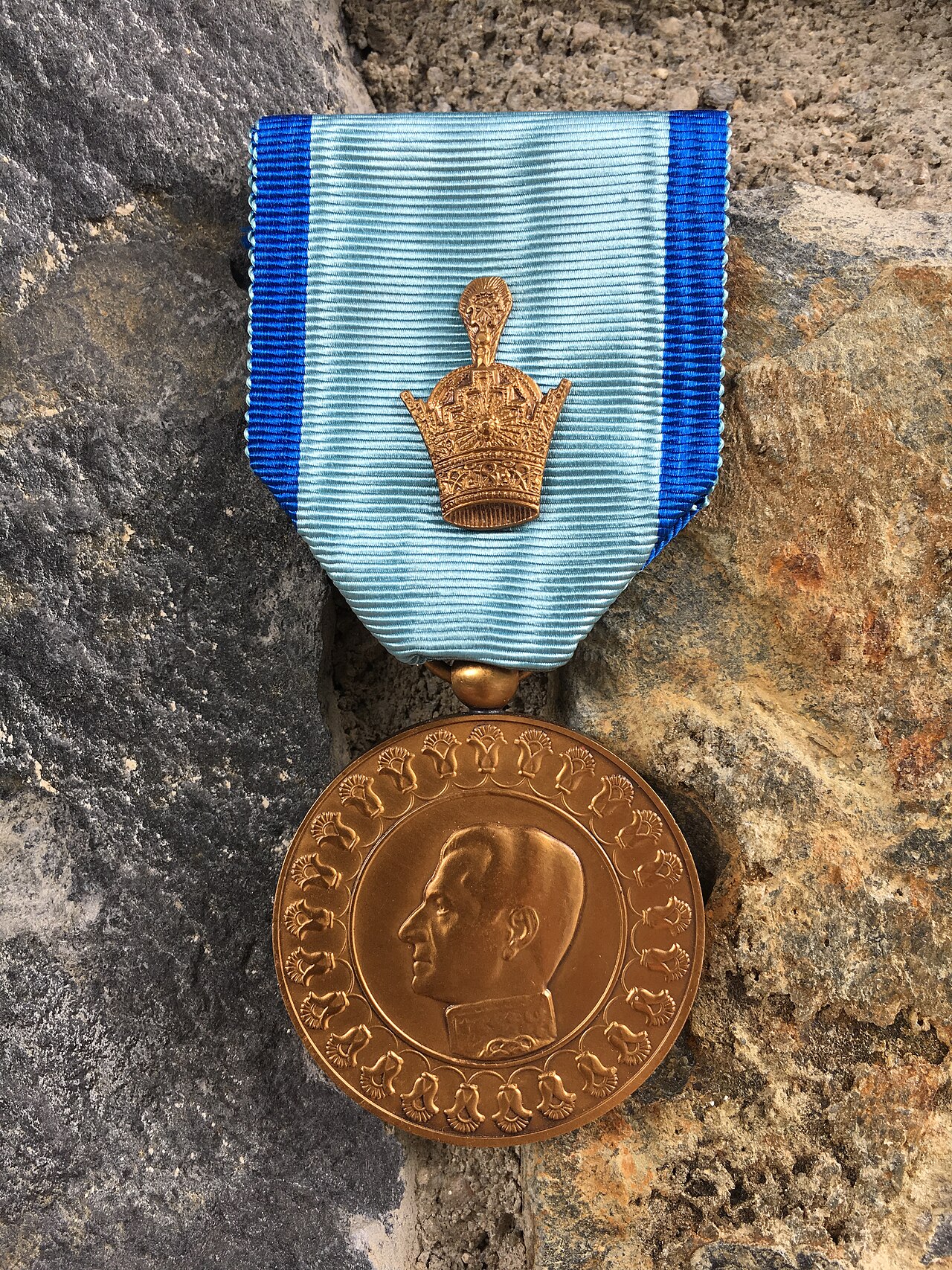
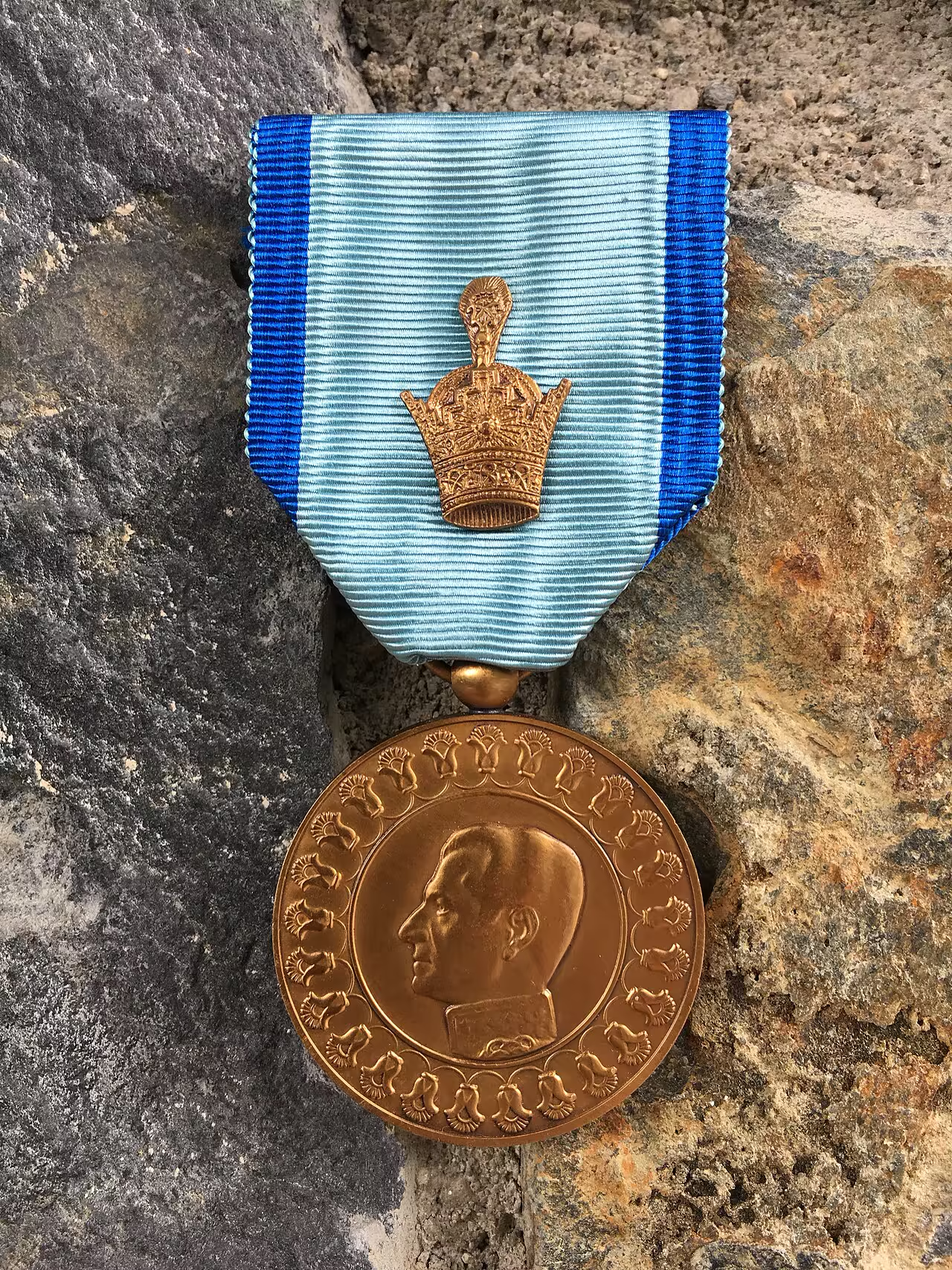
The 1971 medal for 2,500 years of Persian monarchy
Persepolis celebration, commemorative coins and medals, Pahlavi iconography.
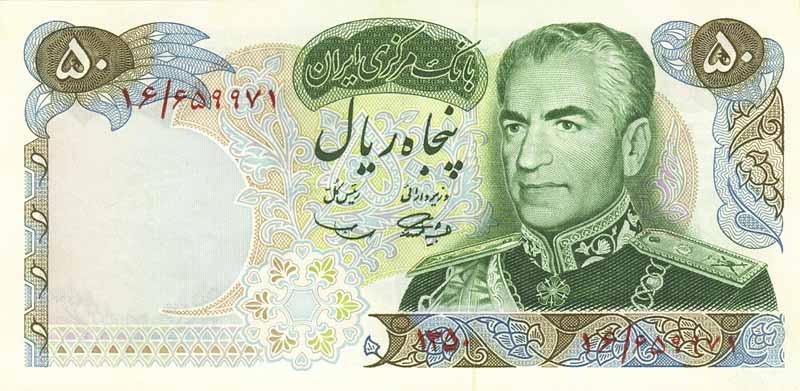
The 50-rial coin for 2,500 years of empire
1971 commemorative circulating coin, Persepolis winged bull reverse.
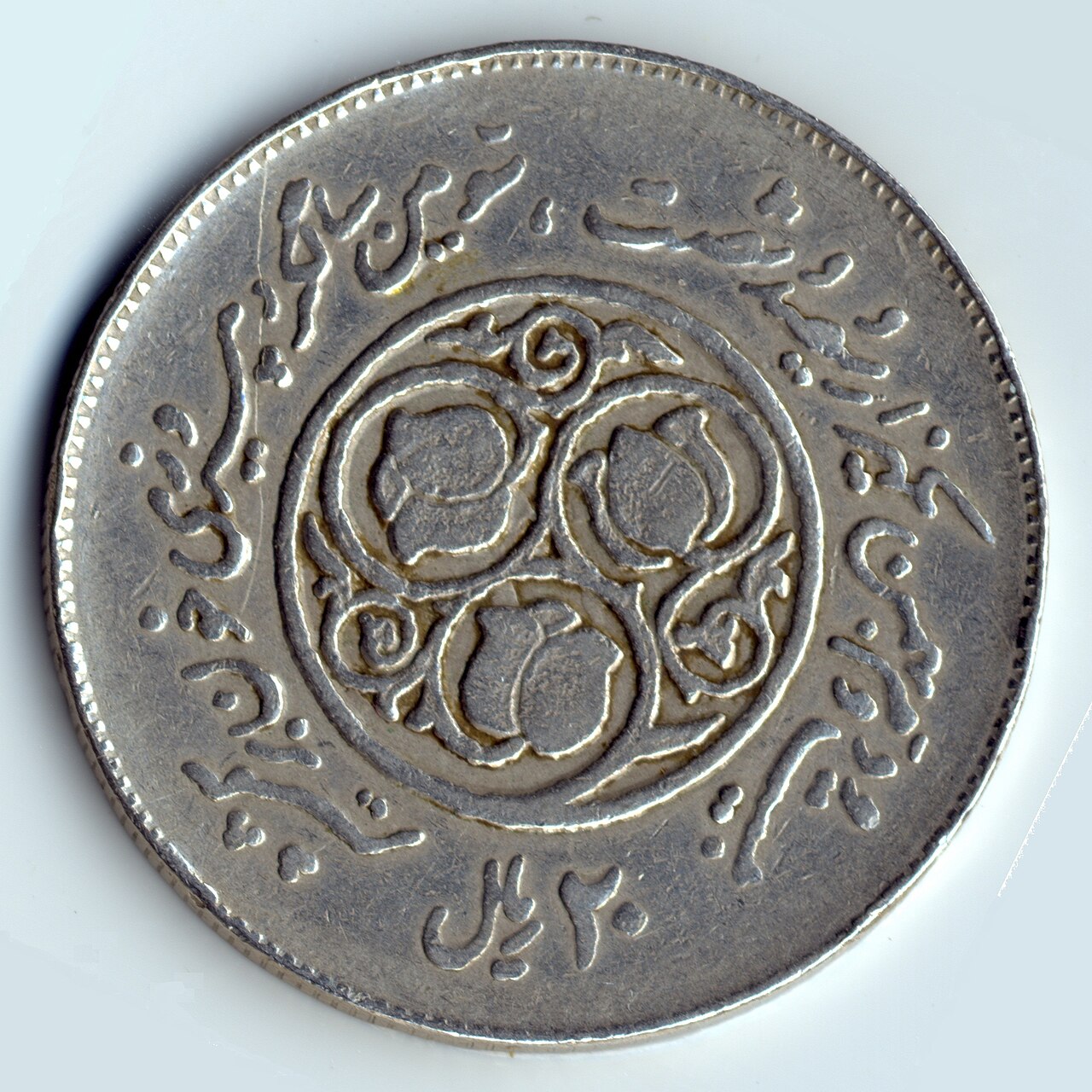
The 20-rial coin of the Islamic Revolution's third anniversary
1982 monument reverse, Islamic Republic iconography, post-1979 monetary continuity.
Daric meaning: the gold coin of the Persian Empire
Definition, etymology, weight (~8.4 g), kneeling archer types, biblical mentions of darics.
Ancient Persian coins: a guide from darics to Sasanian drachms
Survey of Achaemenid, Parthian and Sasanian coinage for newcomers; identifying features of each.
Achaemenid Empire coins: darics, sigloi and satrapal issues
Types, metals, mints, iconography and how the Achaemenids spread coinage.
Pahlavi gold coin: history, types and weights
1/4, 1/2, 1, 2½, 5 and 10 Pahlavi; Reza Shah vs Mohammad Reza Shah designs; gold fineness; no prices.
Bahar Azadi gold coin: Iran's post-1979 bullion coin
Emami vs old design, weights, Central Bank of Iran issuance, how it differs from Pahlavi gold.
Persian gold coins through history: daric, dinar, toman, Pahlavi
Chronological overview of Iranian gold denominations and what made each distinctive.
Iranian rial coins: denominations and designs since 1932
Pahlavi and Islamic Republic rial coins, lion-and-sun to national monuments, metals and sizes.
Did the Persians invent coins? Lydia, Persia and the first money
Lydian electrum origins, Croesus, Achaemenid adoption and spread; correct the common myth.
What were Persian coins made of? Gold, silver and copper through time
Metallurgy of darics, sigloi, drachms, dinars, Qajar and modern alloys.












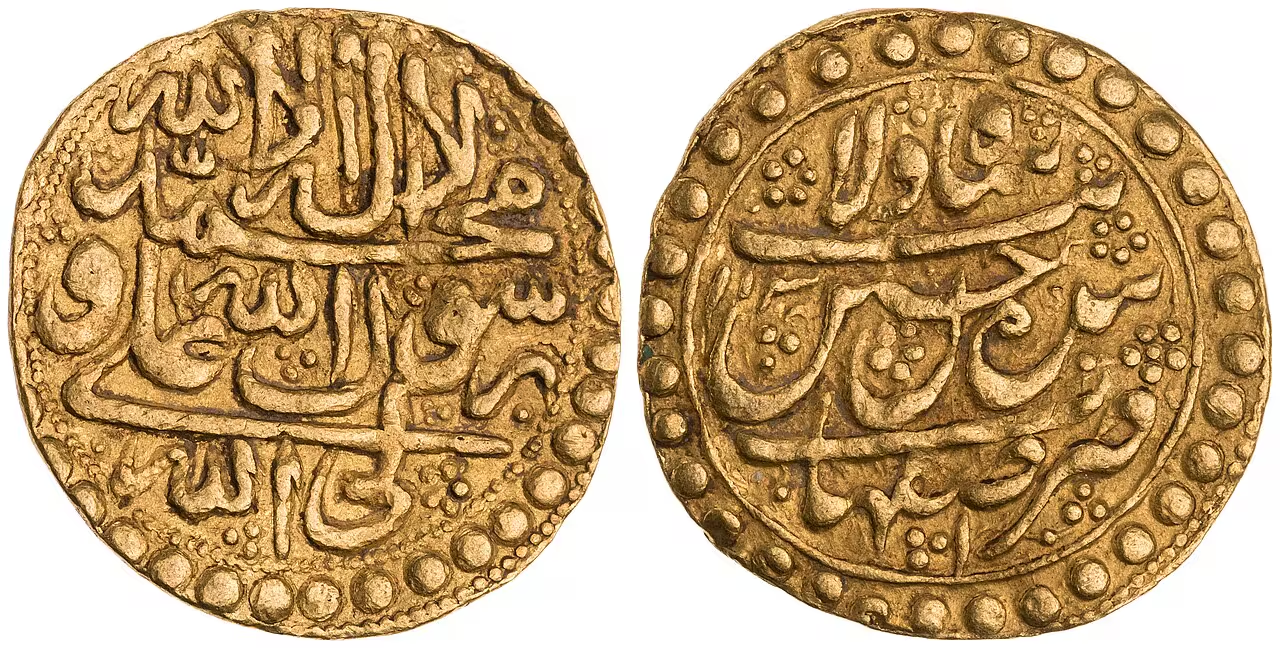
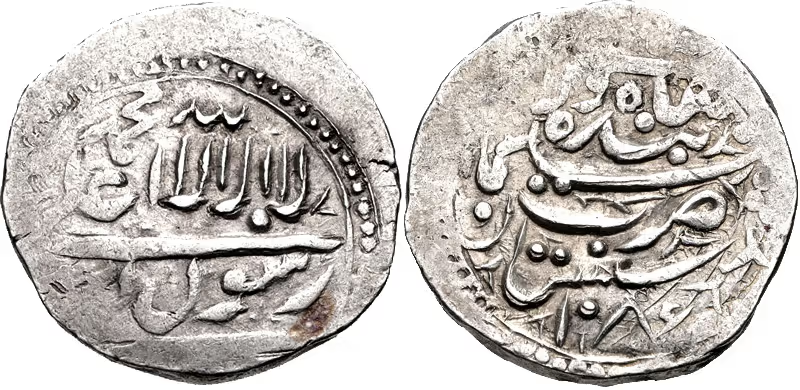

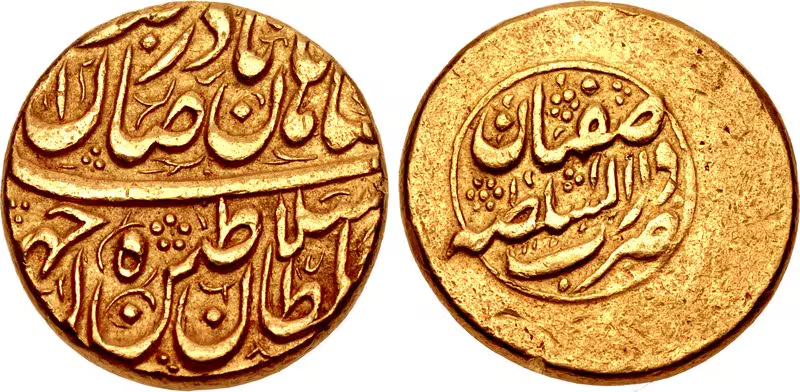
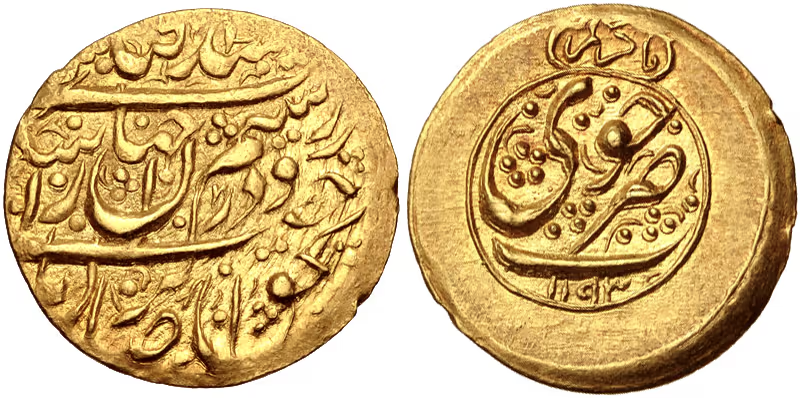




Dynasties
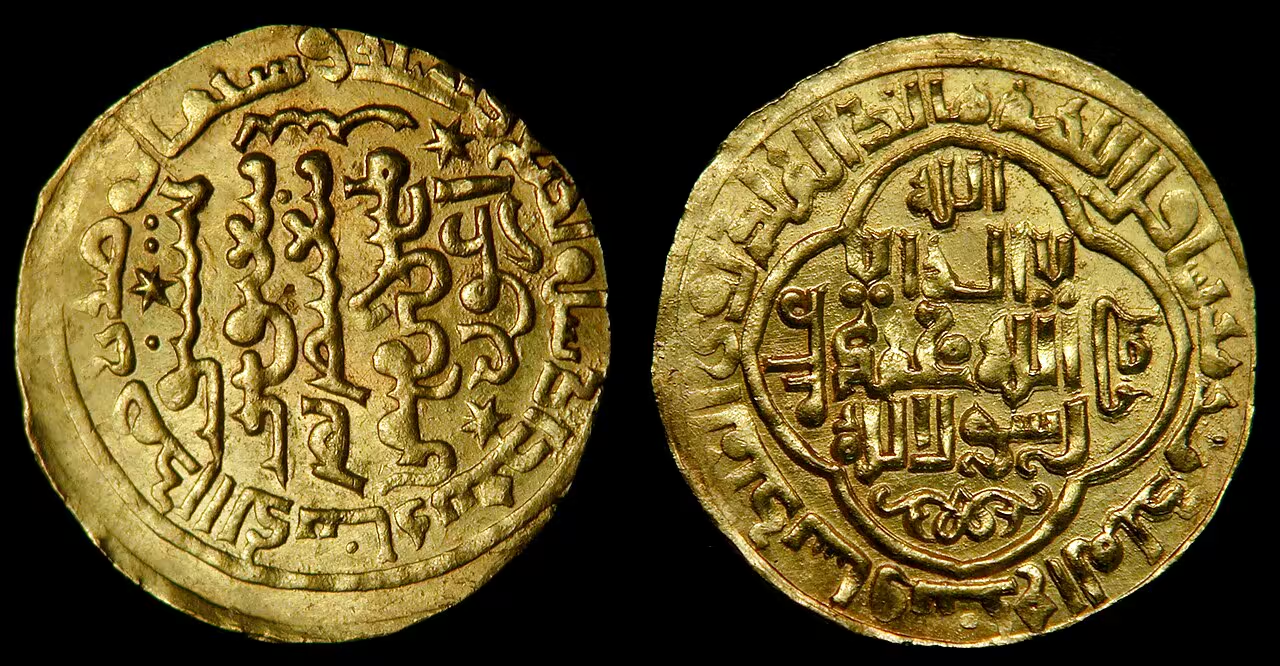
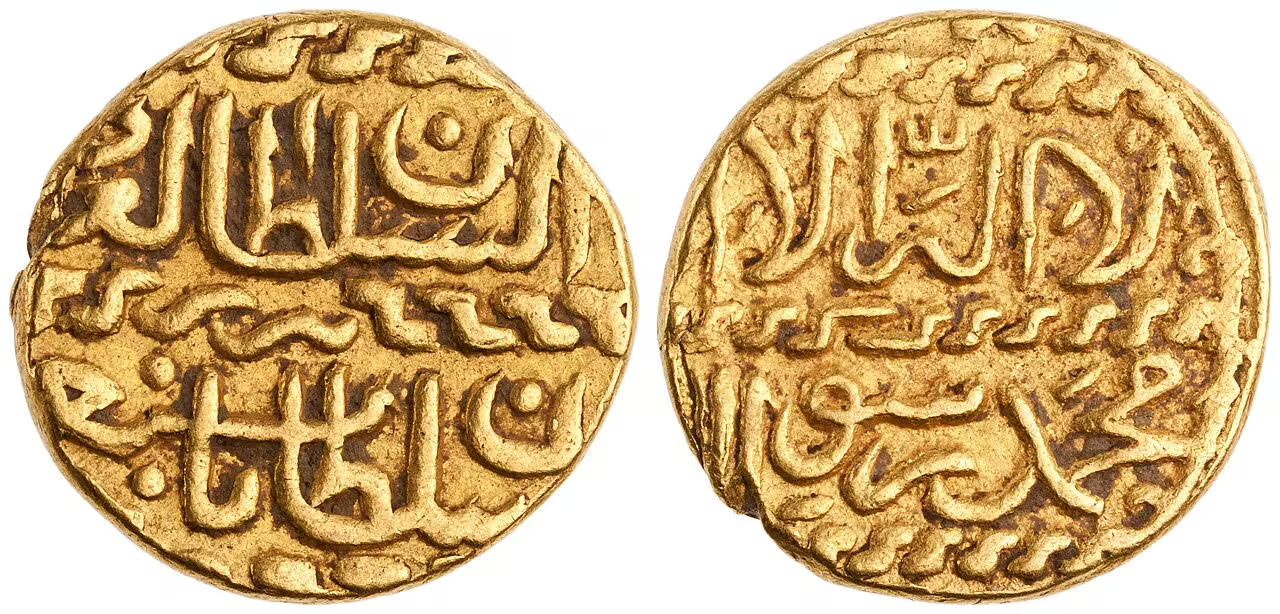
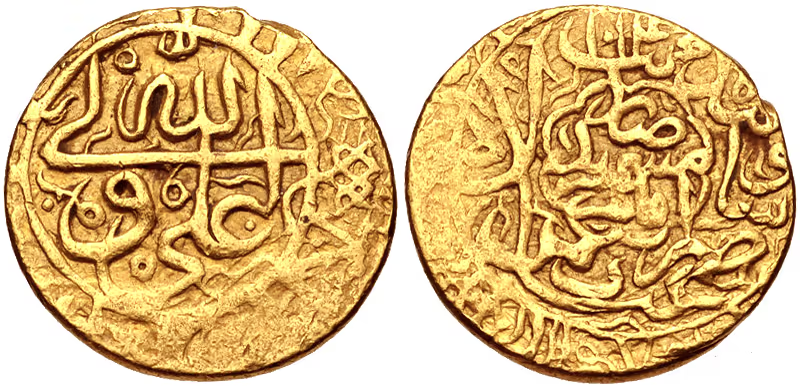
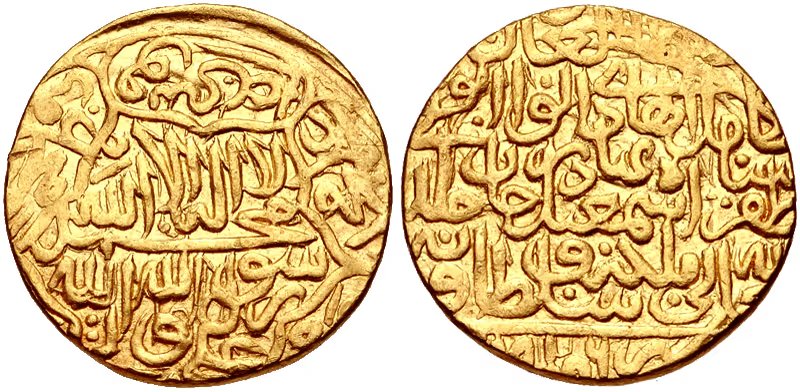
The ruling houses behind Persian coinage, with the kings and reforms each contributed.
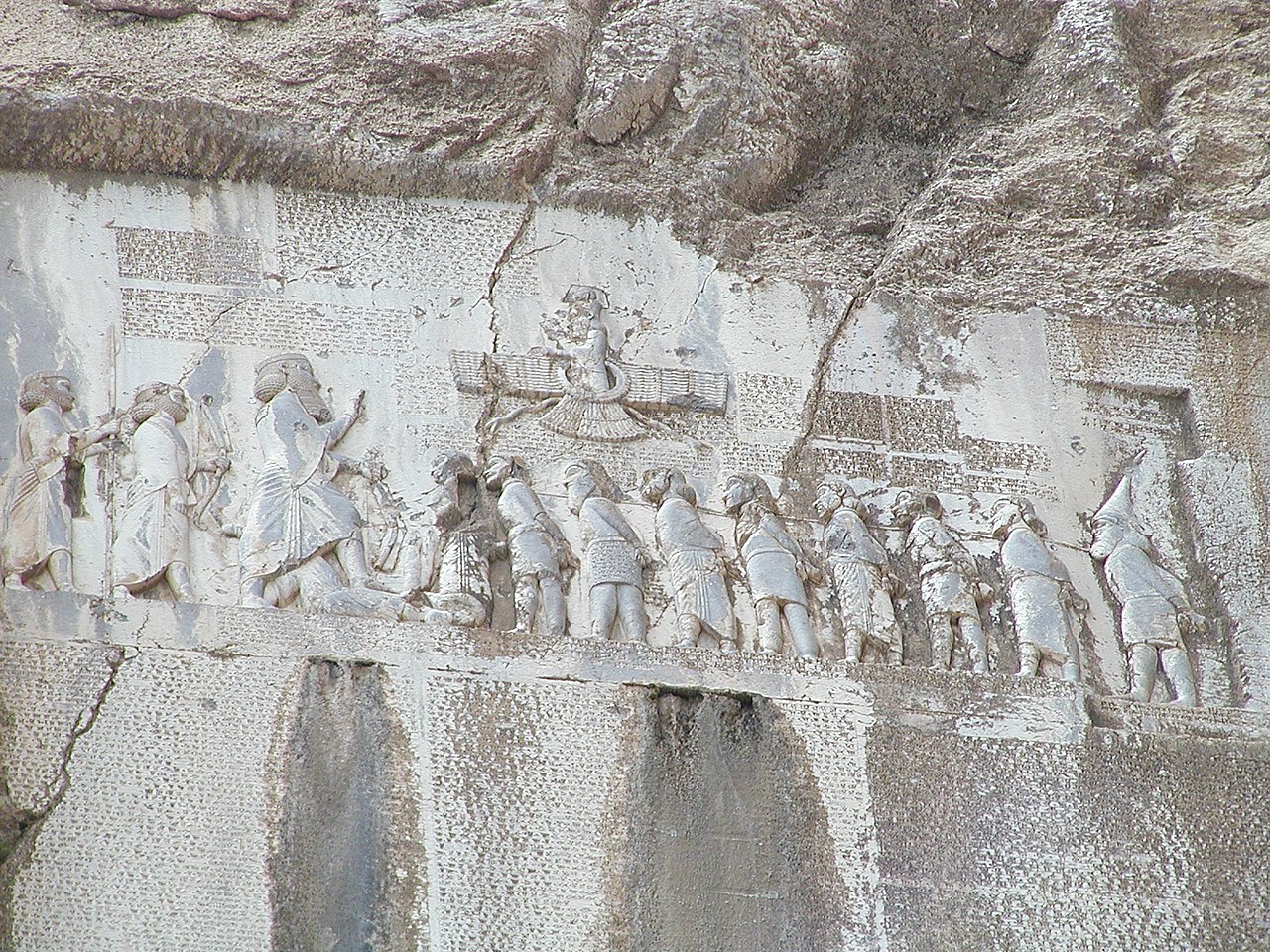
The Achaemenid empire in coins and inscriptions
Cyrus to Darius III, satrapal coinage at Sardis and elsewhere, royal road economy.
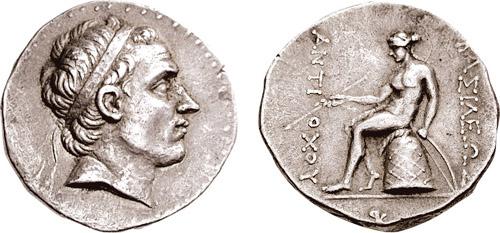
Seleucid Iran and Greek coinage in the East
Antiochus III at Ecbatana, tetradrachms, Persian responses (Frataraka).
The Parthian Arsacid dynasty in coins
Arsaces I to Artabanus IV, four centuries of drachms and tetradrachms.
The Sasanian dynasty through its coins
Ardashir I to Yazdegerd III, crown changes per king, propaganda in metal.
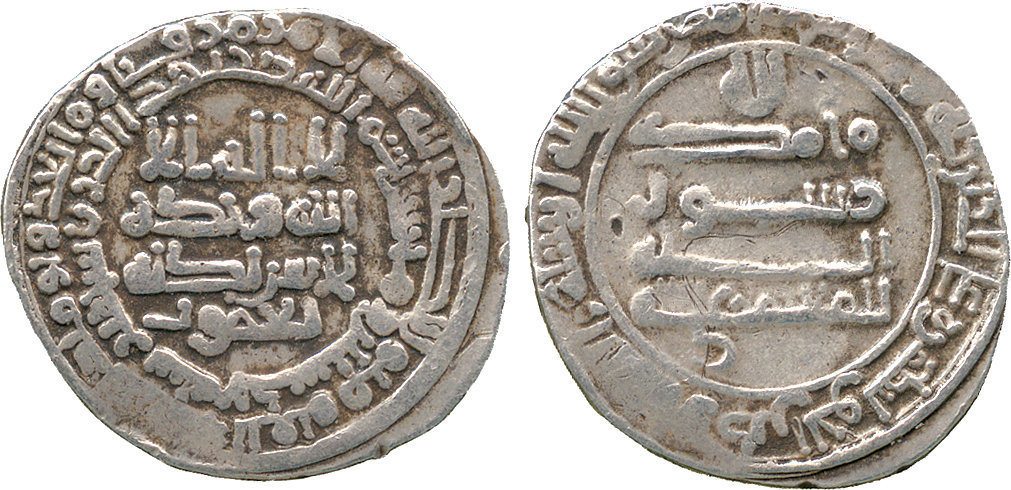
Yaqub al-Layth and the Saffarid coinage
Sistani coppersmith turned ruler, Persian revival, dirham issues.
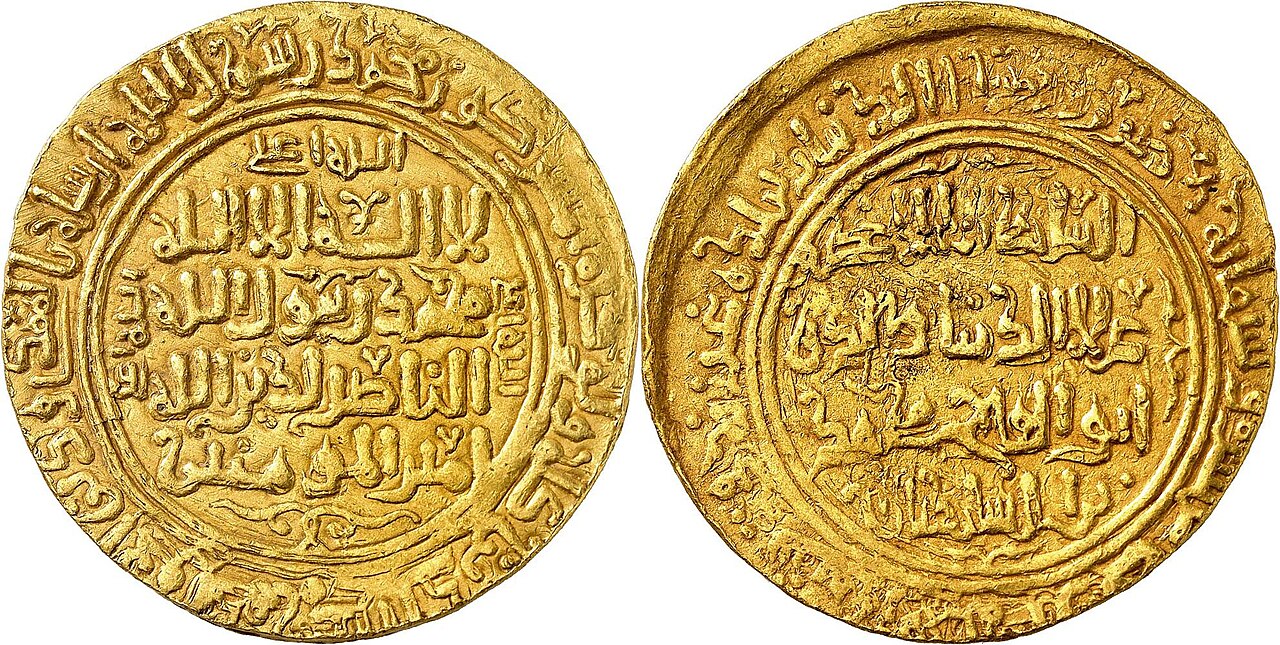
The Khwarazmshahs on the eve of Mongol invasion
Ala al-Din Muhammad's gold, fragile empire, Genghis Khan's reprisal.
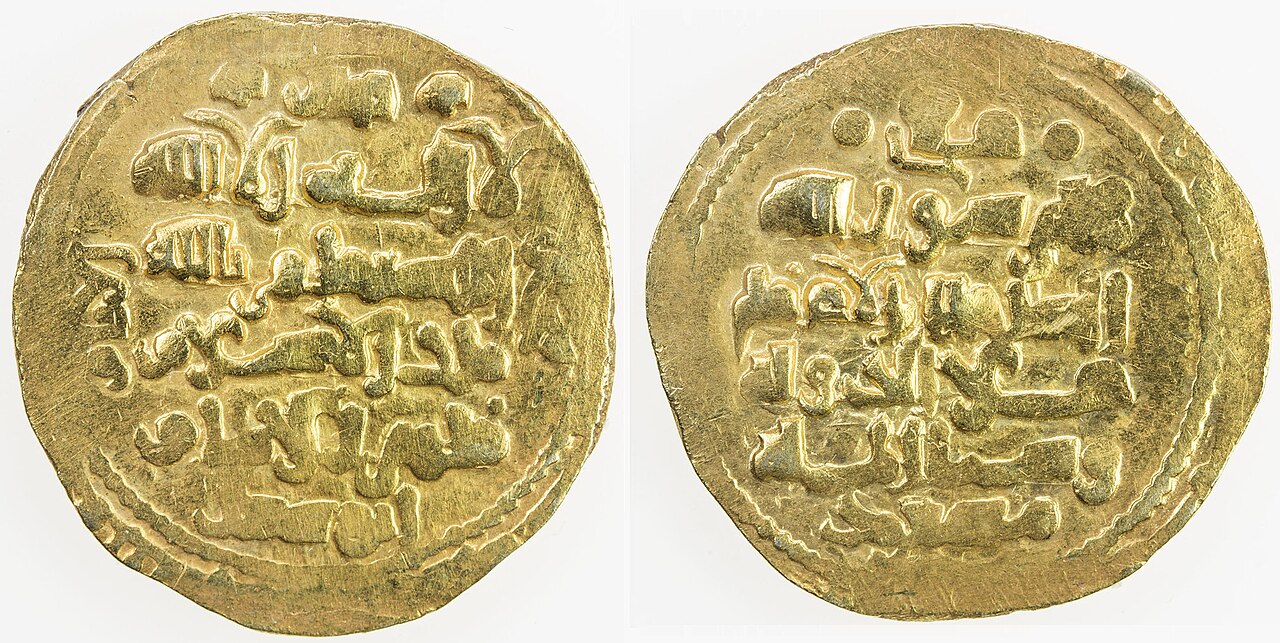
Ghaznavids: Persian-Turkic synthesis in coinage
Mahmud's dinars, dual Arabic-Sanskrit legends from India, Iranianate court.
The Qajar dynasty in coins
From Agha Mohammad Khan to Ahmad Shah, gradual modernization through tomans.
The Pahlavi dynasty (1925–1979) in coins and notes
Reza Shah's founding, Mohammad Reza's modernization, White Revolution numismatics.
The Afsharid dynasty: Nader Shah and after
Rise from post-Safavid chaos, imperial ambition, monetary reforms.
The Safavid dynasty and Twelver Shiʿi Iran
1501 founding by Ismail I, ideological revolution, monetary networks.
The Buyid dynasty: Shiʿi rulers of Baghdad
Iranian Shiʿi dynasty ruling Sunni caliphate, medallions, Persian revival.

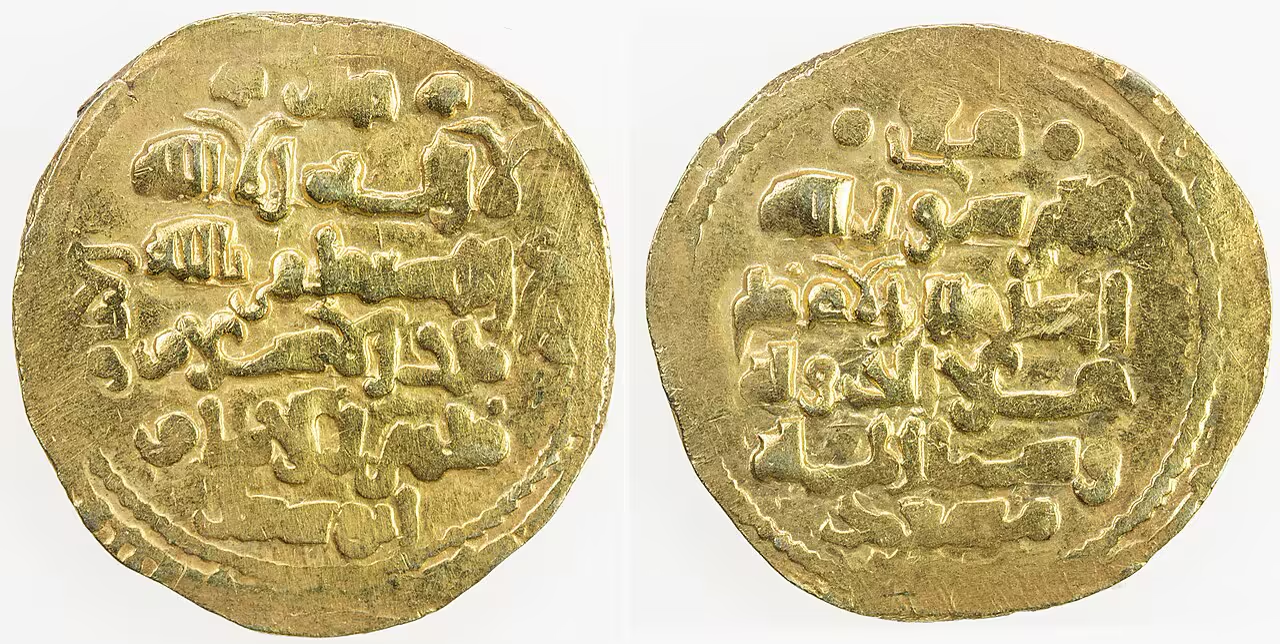
Mints
Cities whose workshops struck the silver and gold of empire, with mint marks and chronology.
The Isfahan mint under Shah Abbas
Maydan-i Naqsh-e Jahan's craft district, Safavid silver output, mint signatures.
Tabriz: a thousand years of striking coins
Ilkhanid, Aq Qoyunlu, Safavid, Qajar — why Tabriz hosted so many capitals' mints.
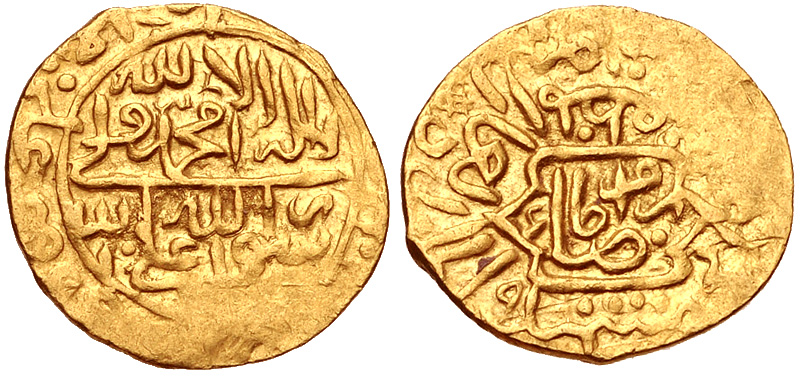
Mashhad and the shrine-city mint
Pilgrimage economy, Shah Tahmasp dinars at Imam Reza's mint, Safavid silver.
Tehran becomes a mint capital
Qajar move of administration to Tehran, modernization under Nasir al-Din.
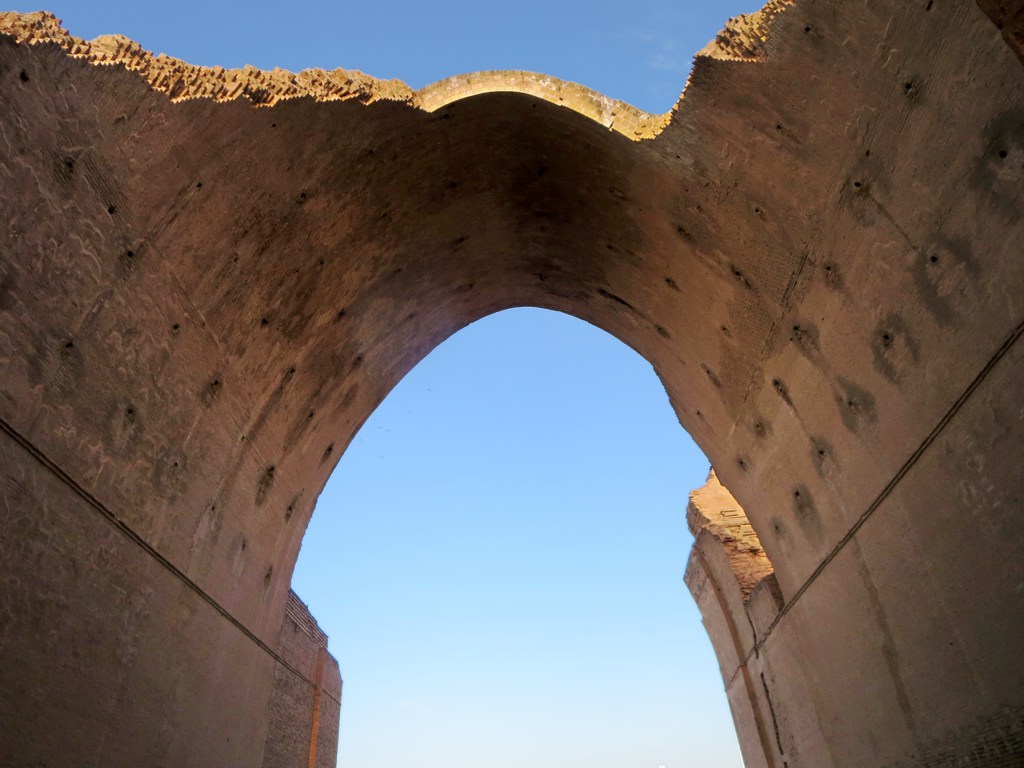
Ctesiphon and the Sasanian capital's mintwork
Court mint near the Taq Kasra, drachm output, mint signatures (CT/CTI).
Hamadan (Ecbatana): mint from Achaemenid to Qajar
Continuity across two millennia, Sasanian AHM signature, Islamic-era output.
Shiraz: the Zand and Buyid mint of Fars
Adud al-Dawla's issues, Karim Khan's vakil coinage, Fars provincial output.
Nishapur: Samanid capital of Khorasan's minting
Silk Road hub, silver dinars, ceramic and mint craft in one city.
Herat: Timurid mint at the heart of a cultural empire
Ulugh Beg's tanka, Persianate manuscript culture, Silk Road position.
Susa: from Elamite ziggurat to Sasanian drachms
Multi-millennium minting, Elymais, Bahram Chobin's mint, archaeological context.
Seleucia on the Tigris: the Parthian tetradrachm mint
Greek city on the Tigris, Arsacid silver, Roman-era decline.
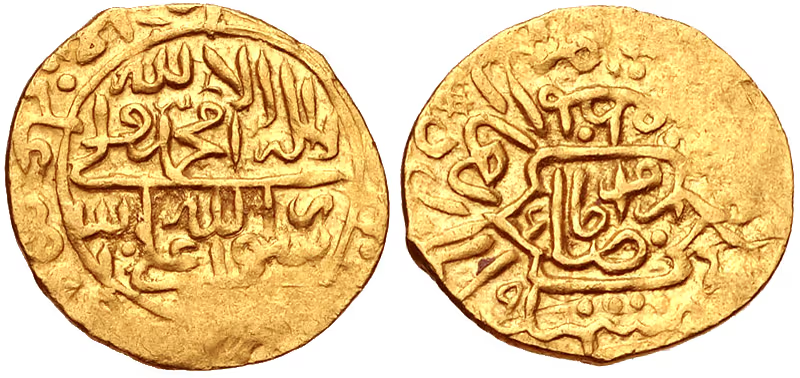

Iconography
The recurring symbols on Iranian coins — fire altars, kneeling archers, lions and suns.
The Lion and Sun: a thousand-year emblem
Origins in Seljuq/Mongol iconography, Safavid adoption, Qajar standardization.
The fire altar on Sasanian coins
Zoroastrian theology, two attendants iconography, mint and date placement.
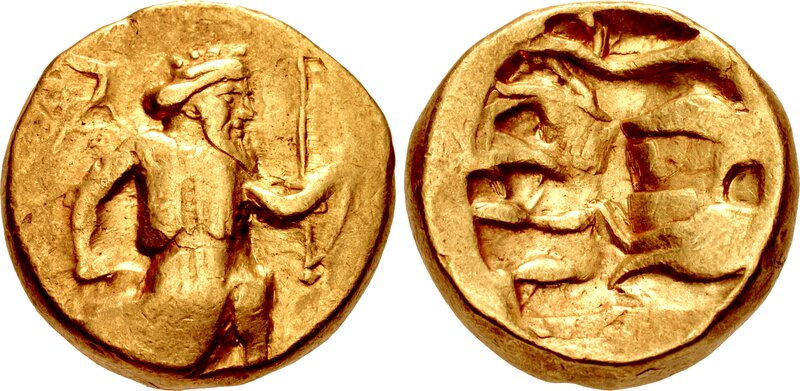
Reading the kneeling archer on the daric
Royal hunter vs. warrior interpretation, posture, bow type, Greek reception.
Kufic calligraphy on early Islamic coinage
Angular script, theological mottos, regional Kufic variants on Abbasid dirhams.
Nastaliq on Safavid and Qajar coins
Persian cursive replacing Arabic Kufic, poetic couplets on tomans, royal titulature.
Sasanian crowns: a visual dynasty
How each king's crown identifies him, cosmic symbolism, changes within a reign.
The royal portrait on Iranian coinage
From Achaemenid archer to Qajar bust: two millennia of ruler imagery in metal.
Reading royal titulature on Iranian coins
'Shahanshah', 'Sultan', 'Vakil', 'Khaqan': what titles reveal about legitimacy.
Religious legends on Islamic-Iranian coinage
Shahada, Twelver Shiʿi additions, Fatimid slogans, dynastic religious signalling.
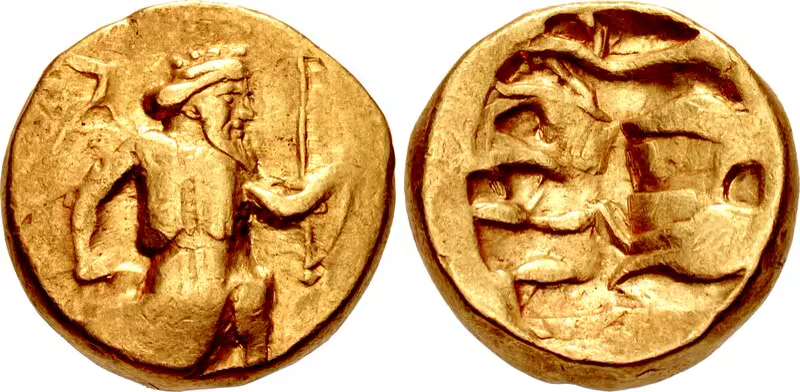
Banknotes
The history of Iranian paper money, from 1890 Imperial Bank tomans to the new toman.
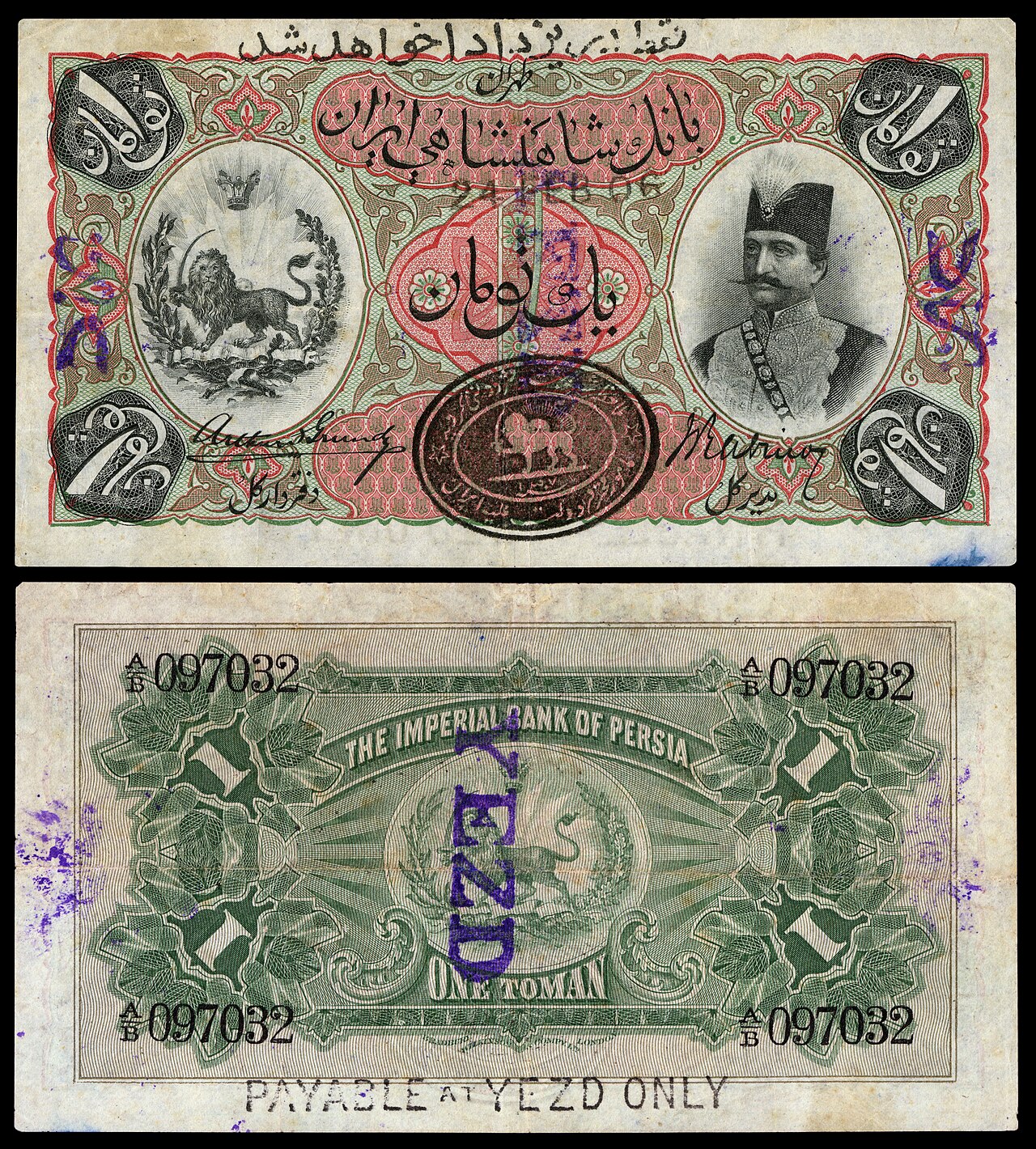
The Imperial Bank of Persia and its tomans
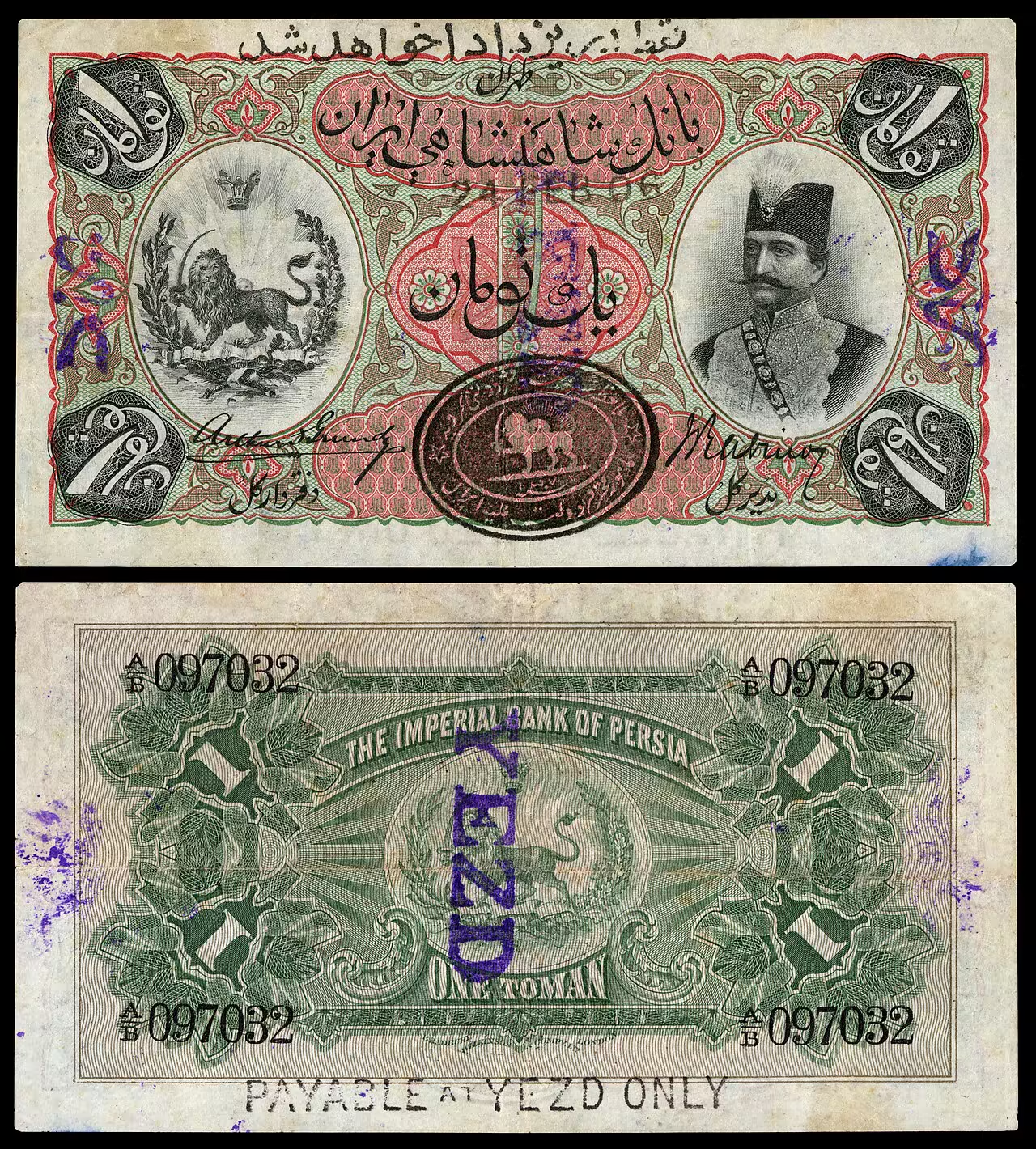
British charter, payable-in-city banknotes (Yazd, Tehran), Naser al-Din era.
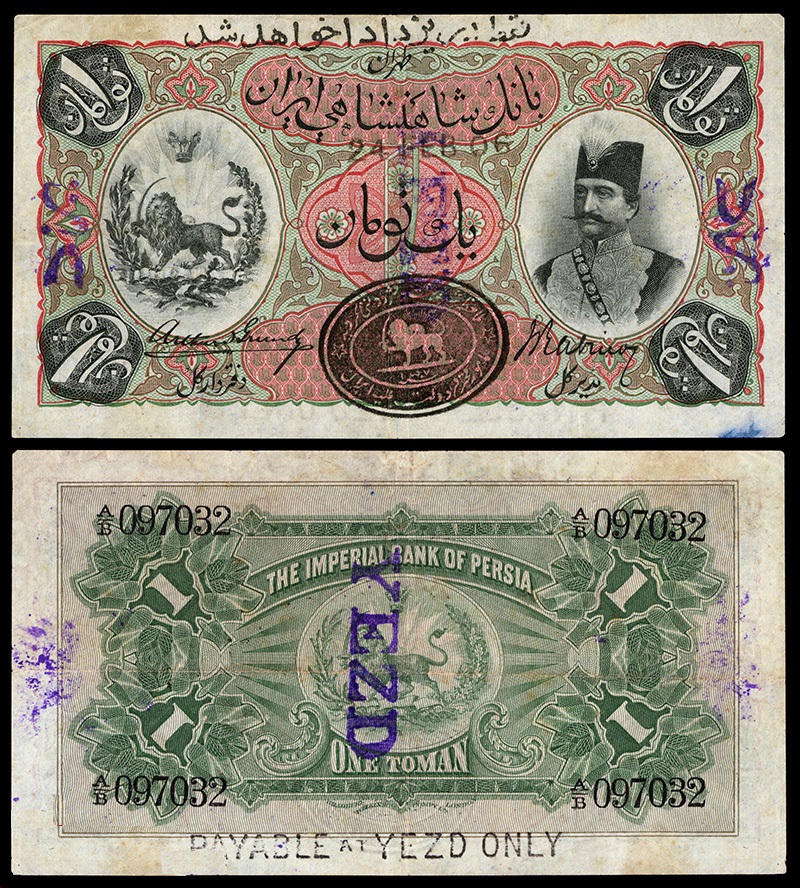
The Yazd-payable one-toman of the Imperial Bank
City-restricted circulation, Nasir al-Din portrait, provincial banking.
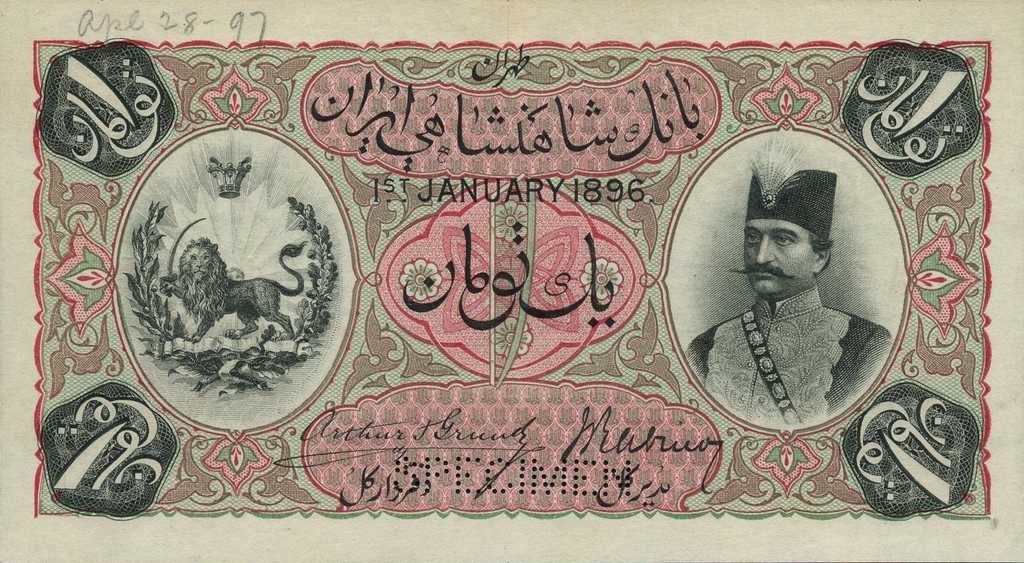
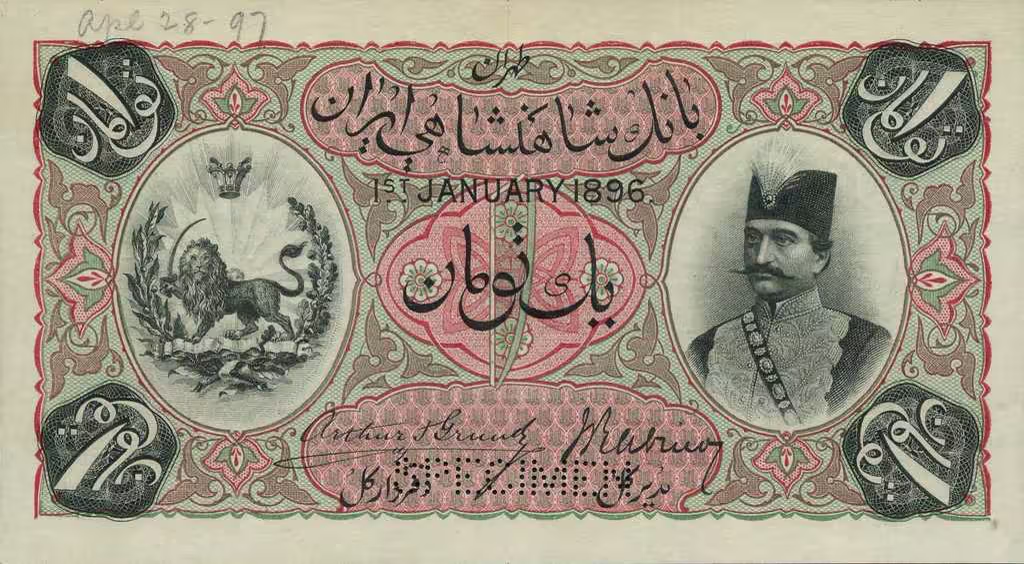
The 1-toman specimen note of Nasir al-Din Shah
Design, security features of 1890s issues, printer identity.
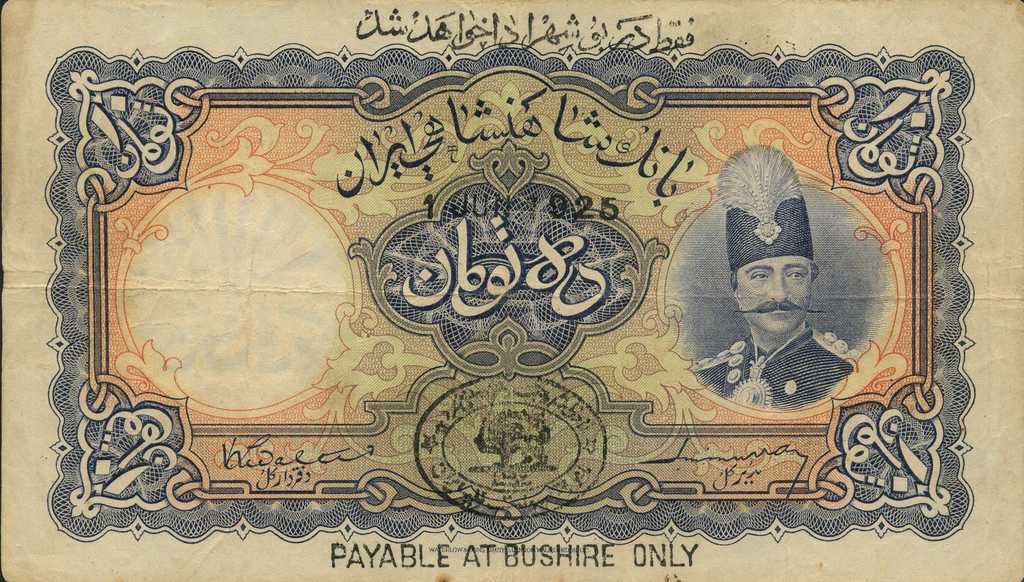
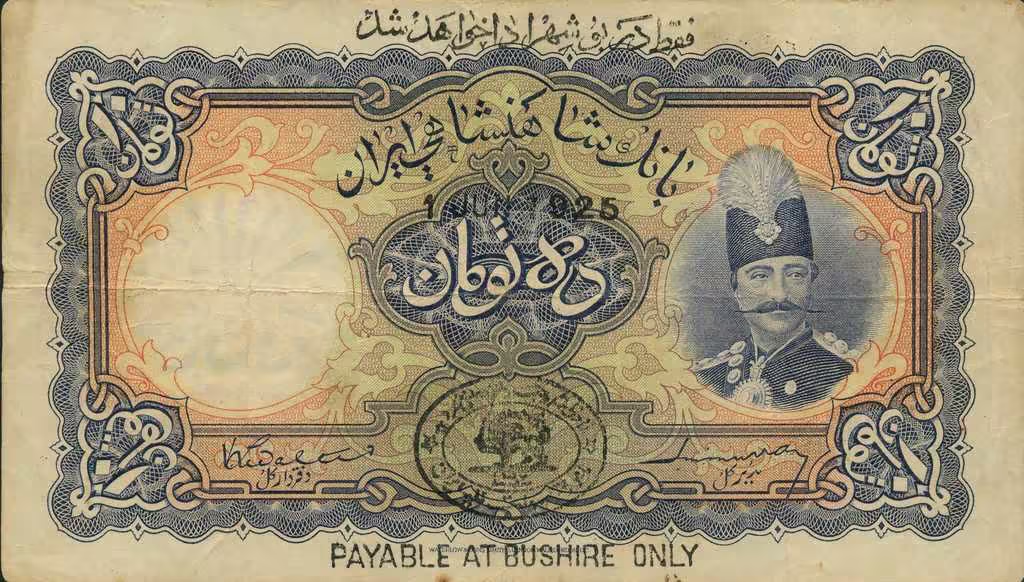
The 10-toman Imperial Bank note
High-denomination Qajar banknote, engraving quality, portraiture.
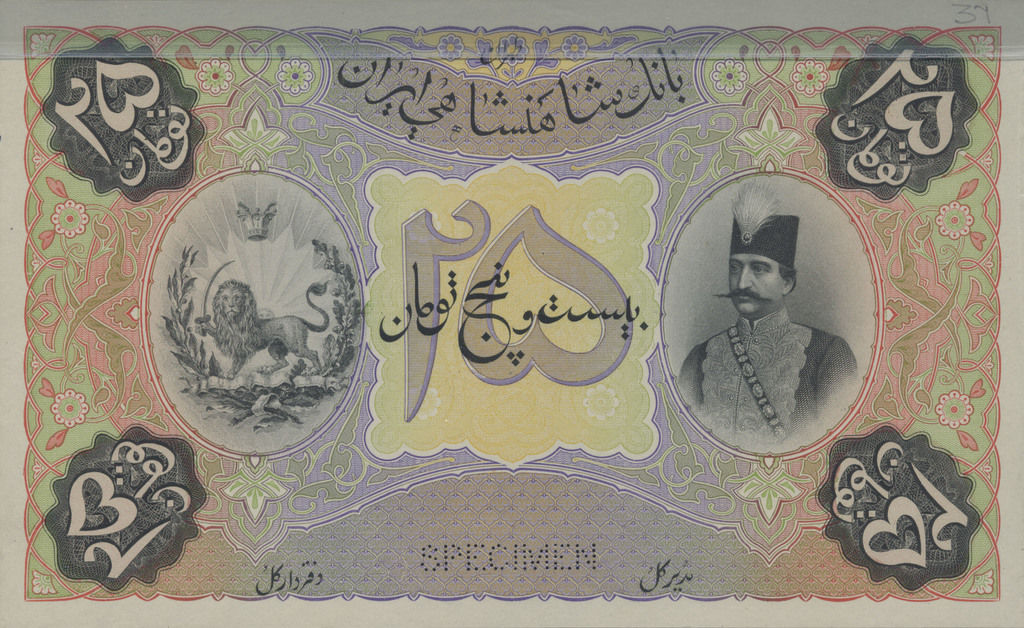
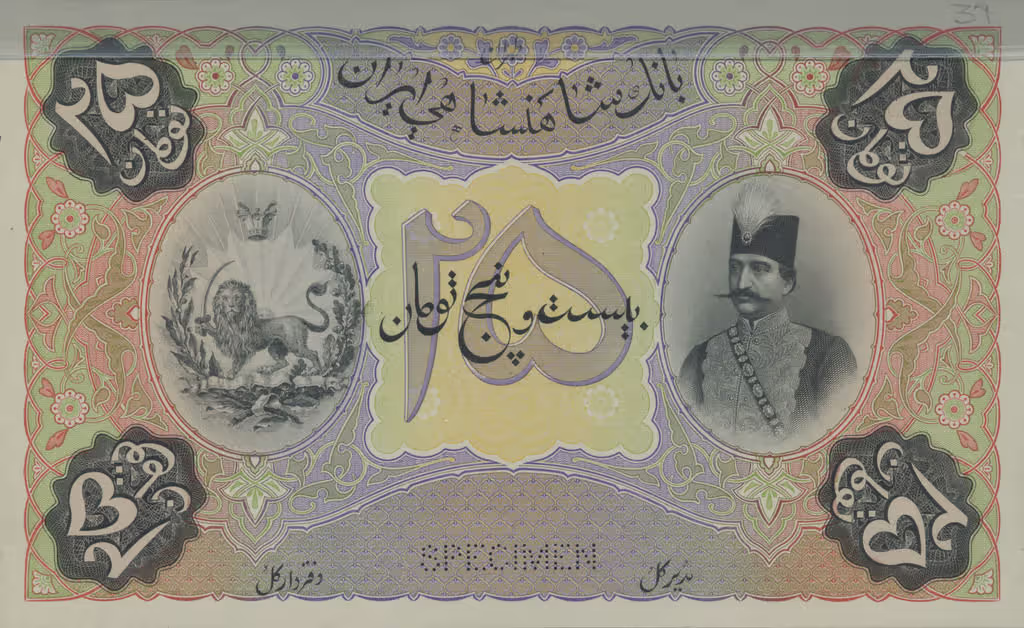
The 25-toman specimen note of the Imperial Bank
Rare denomination, De La Rue printing, iconographic details.
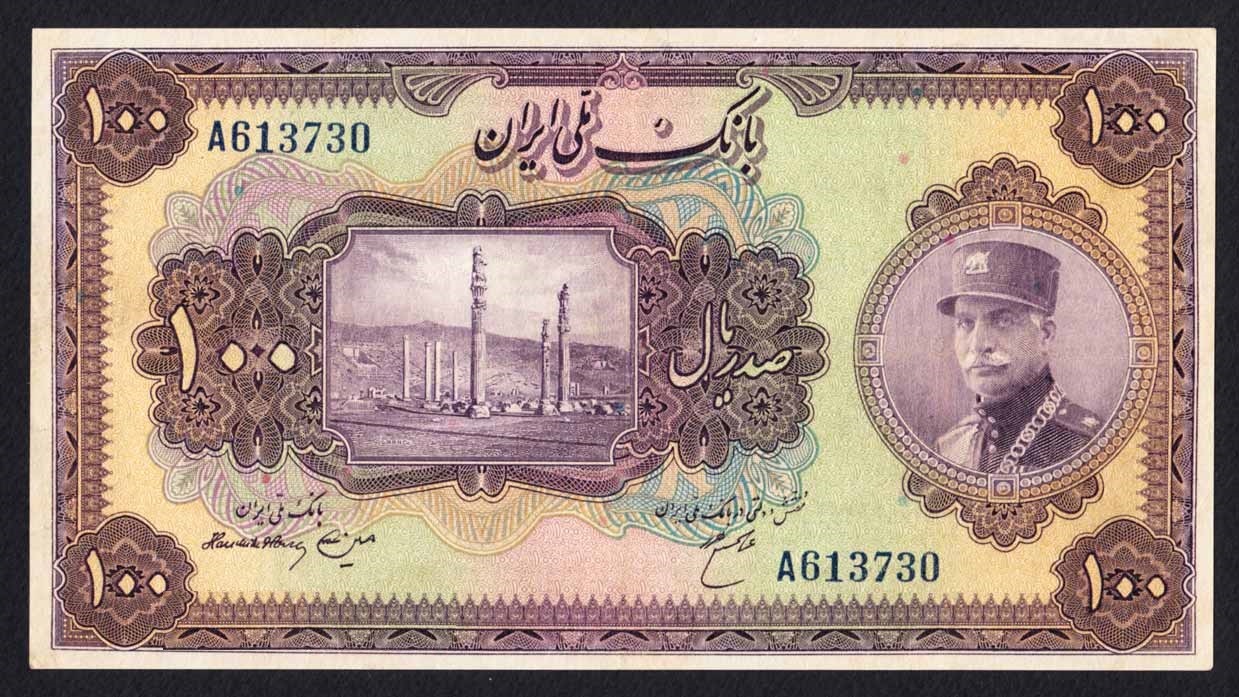
Reza Shah and the rial banknote series
1932 currency reform from toman to rial, Bank Melli, first state-issued notes.
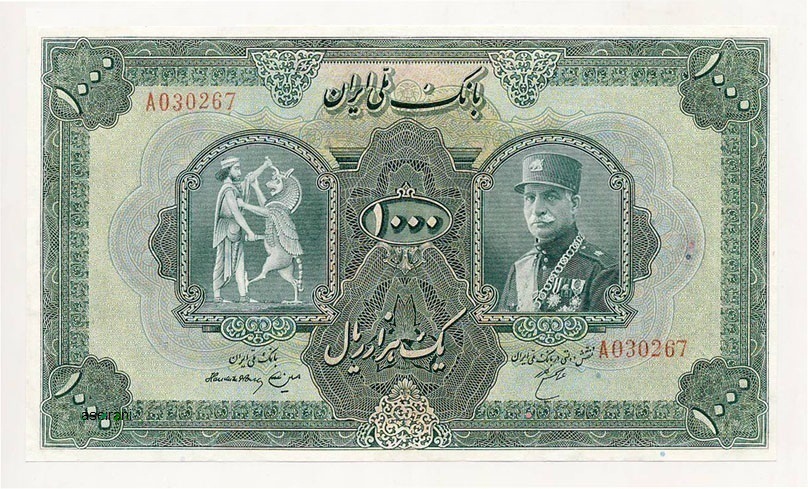
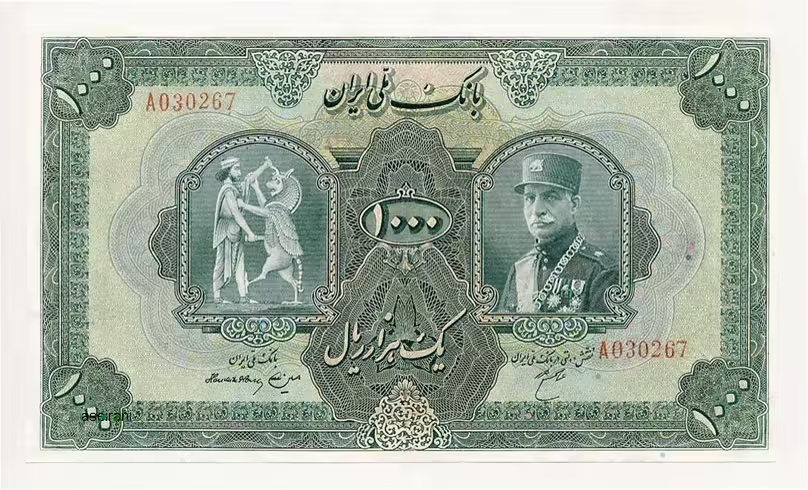
The 1000-rial banknote of Reza Shah
Largest denomination of the first Bank Melli series, engraving details.
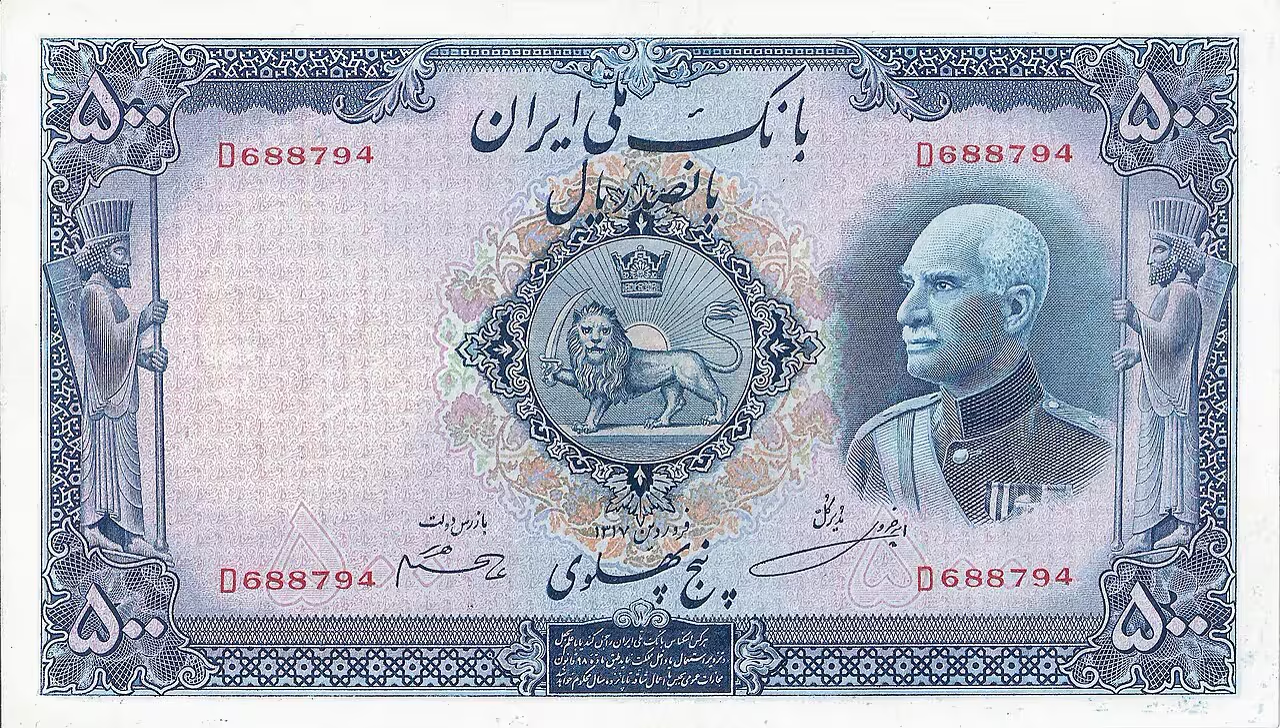
The 500-rial banknote of Reza Shah
1930s design, national imagery, transition from Qajar tomans.
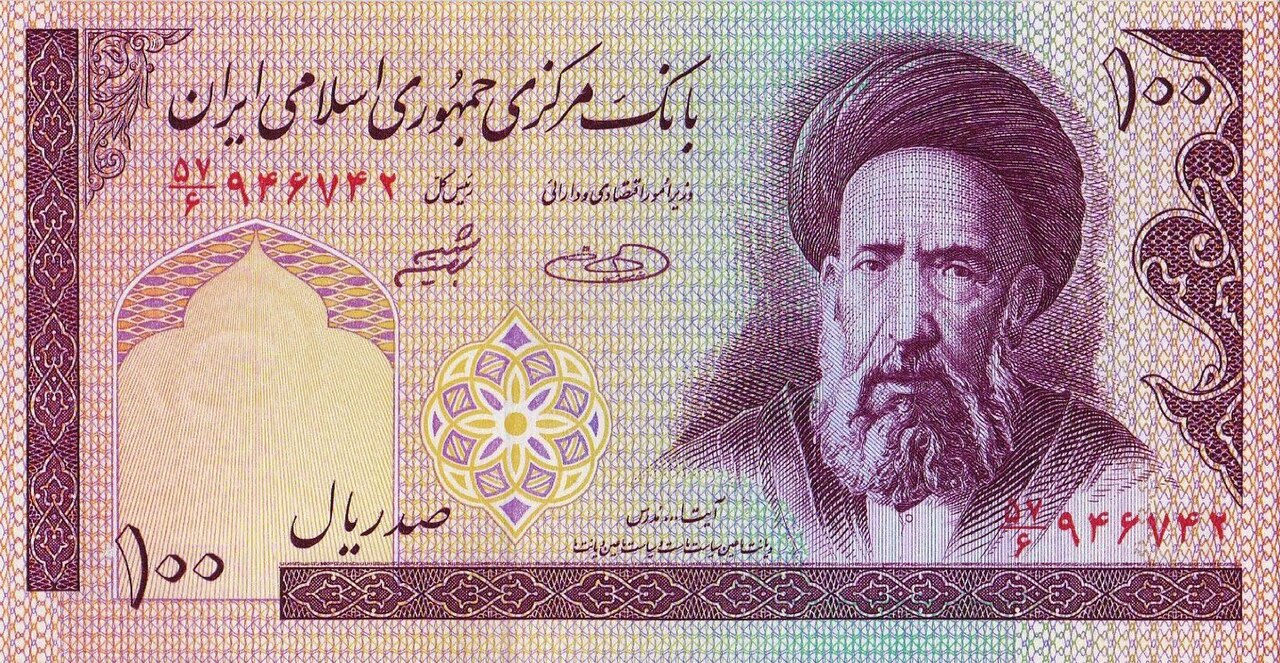
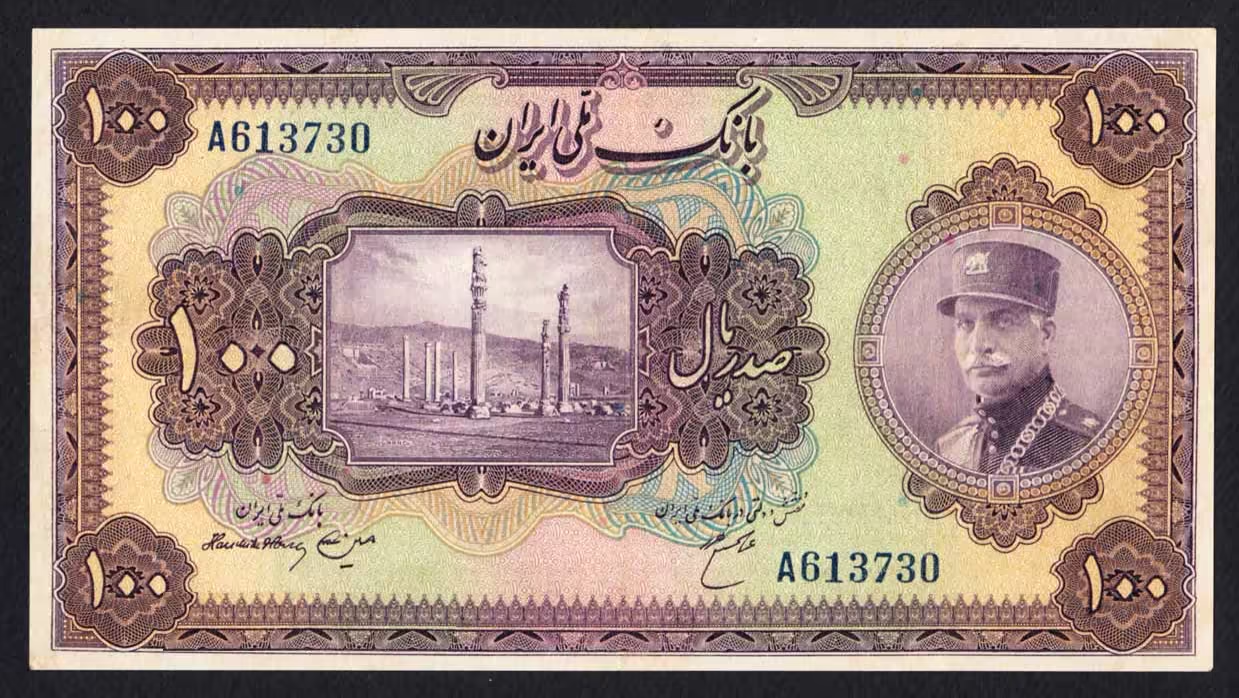
The 100-rial banknote of Mohammad Reza Shah
Second Pahlavi series, portrait style, Bank Melli backing.
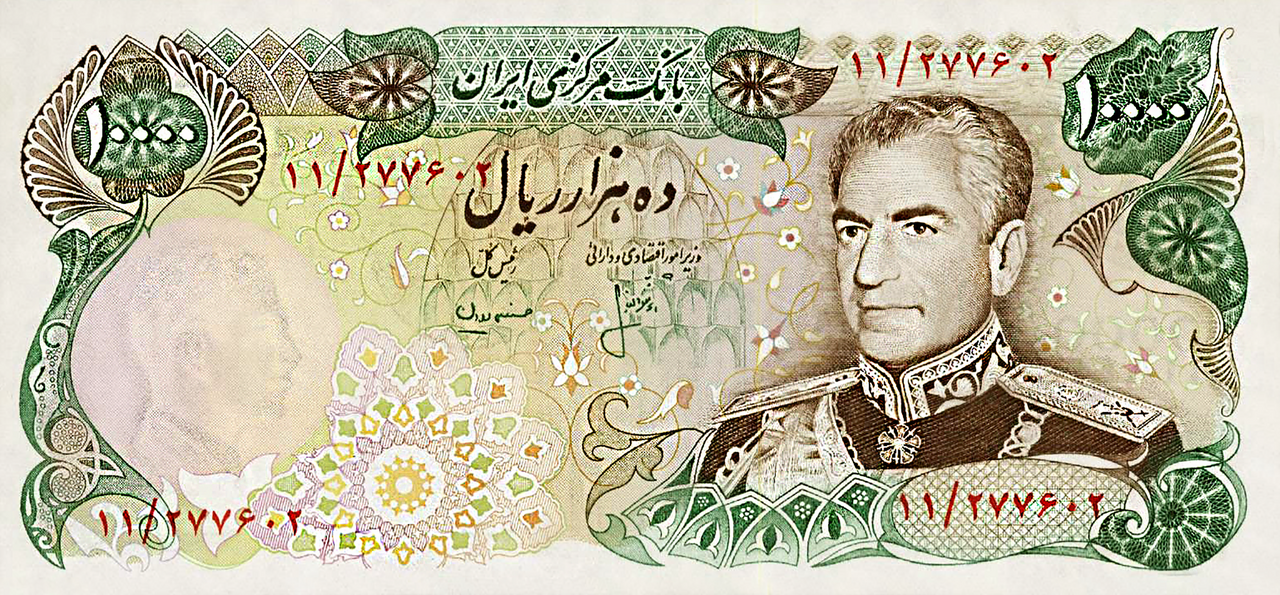
Pahlavi-era banknotes: portraiture and modernism
Mohammad Reza Shah portrait notes, Persepolis vignettes, design evolution.
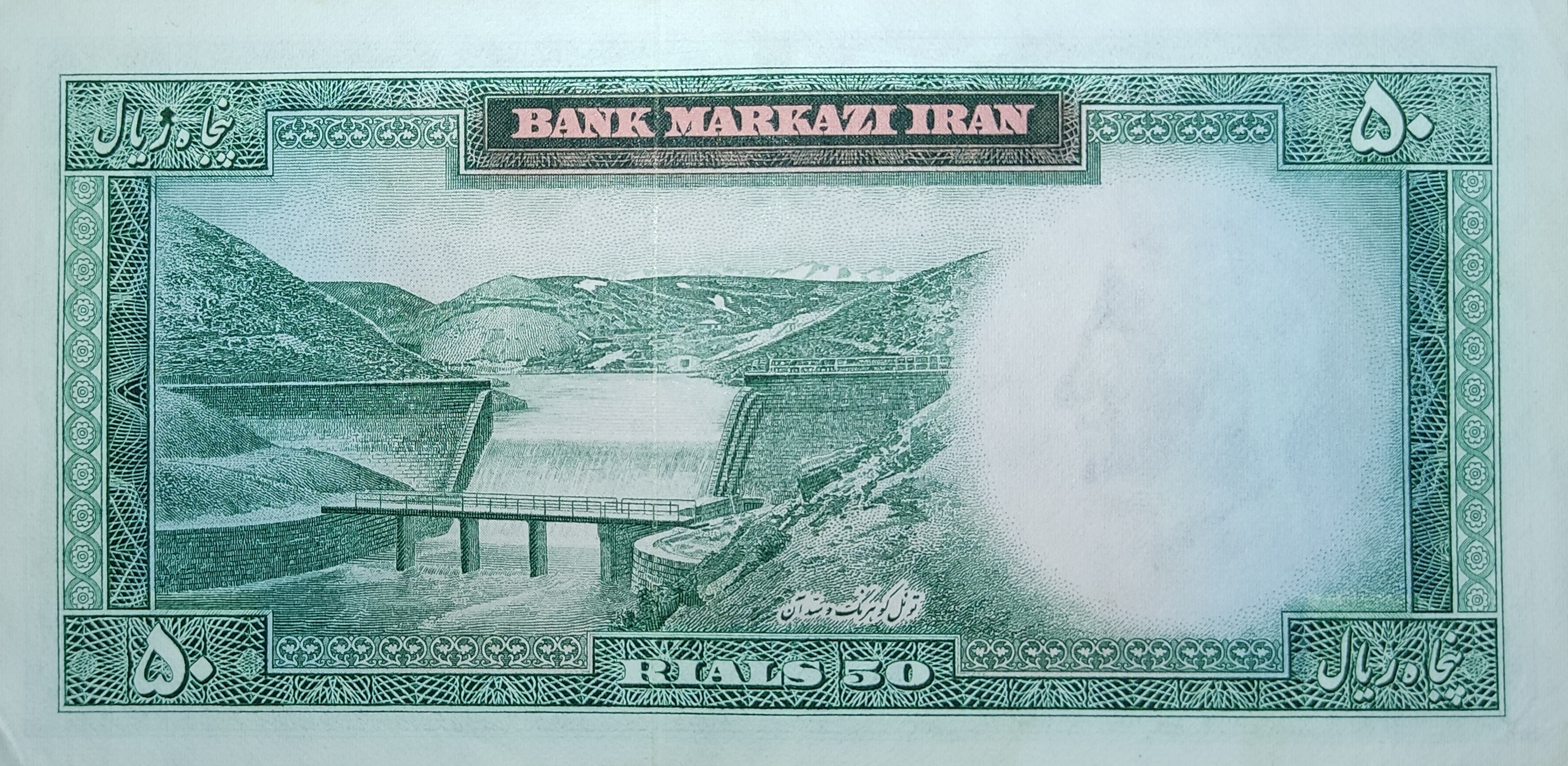
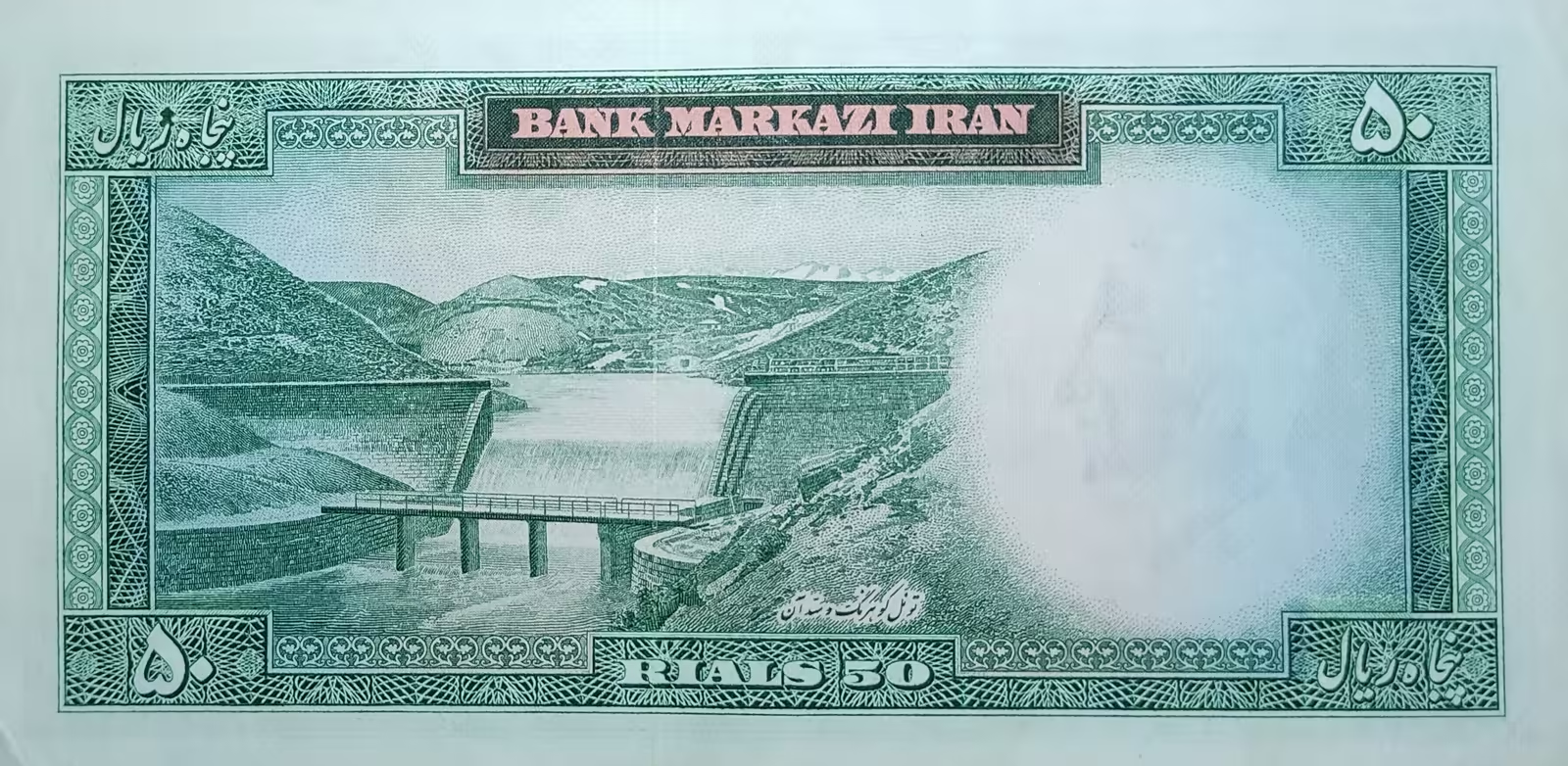
The 50-rial banknote of the Pahlavi era
Mid-denomination note, iconography, mid-1970s design.
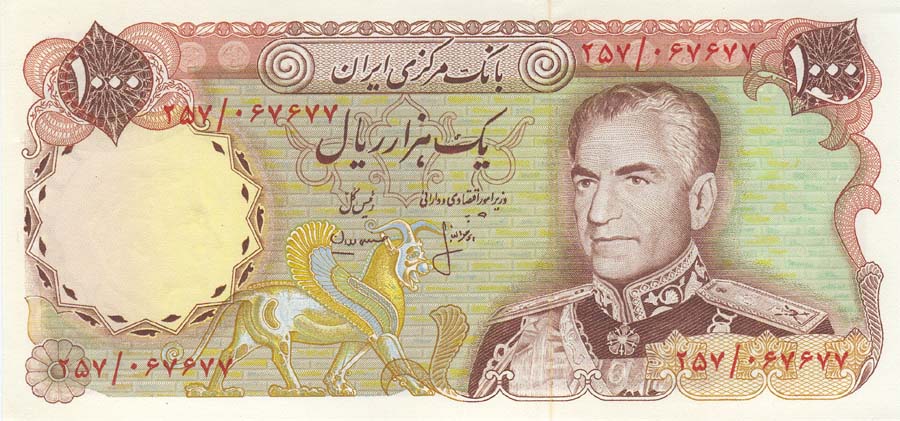
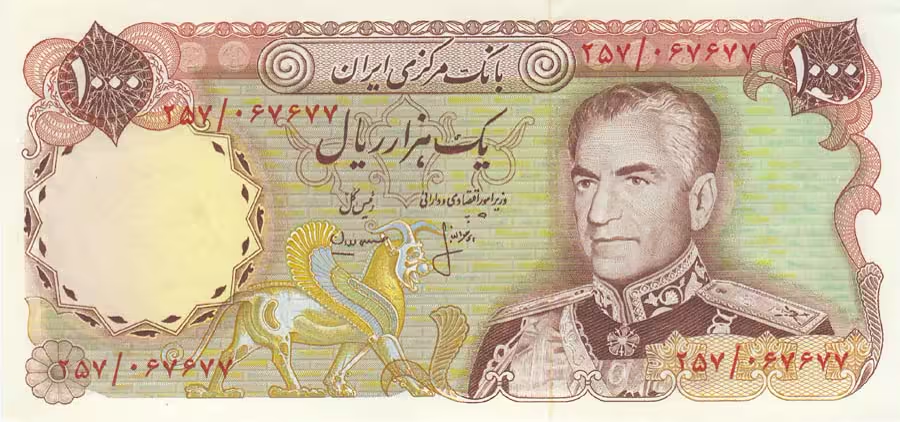
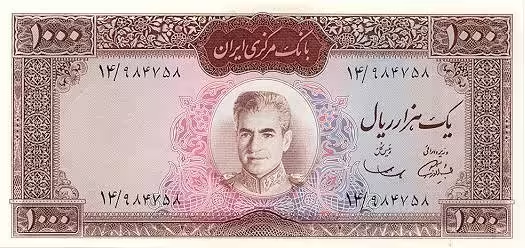
The 1000-rial banknote of Mohammad Reza
Late-Pahlavi high denomination, security thread, engraved vignettes.
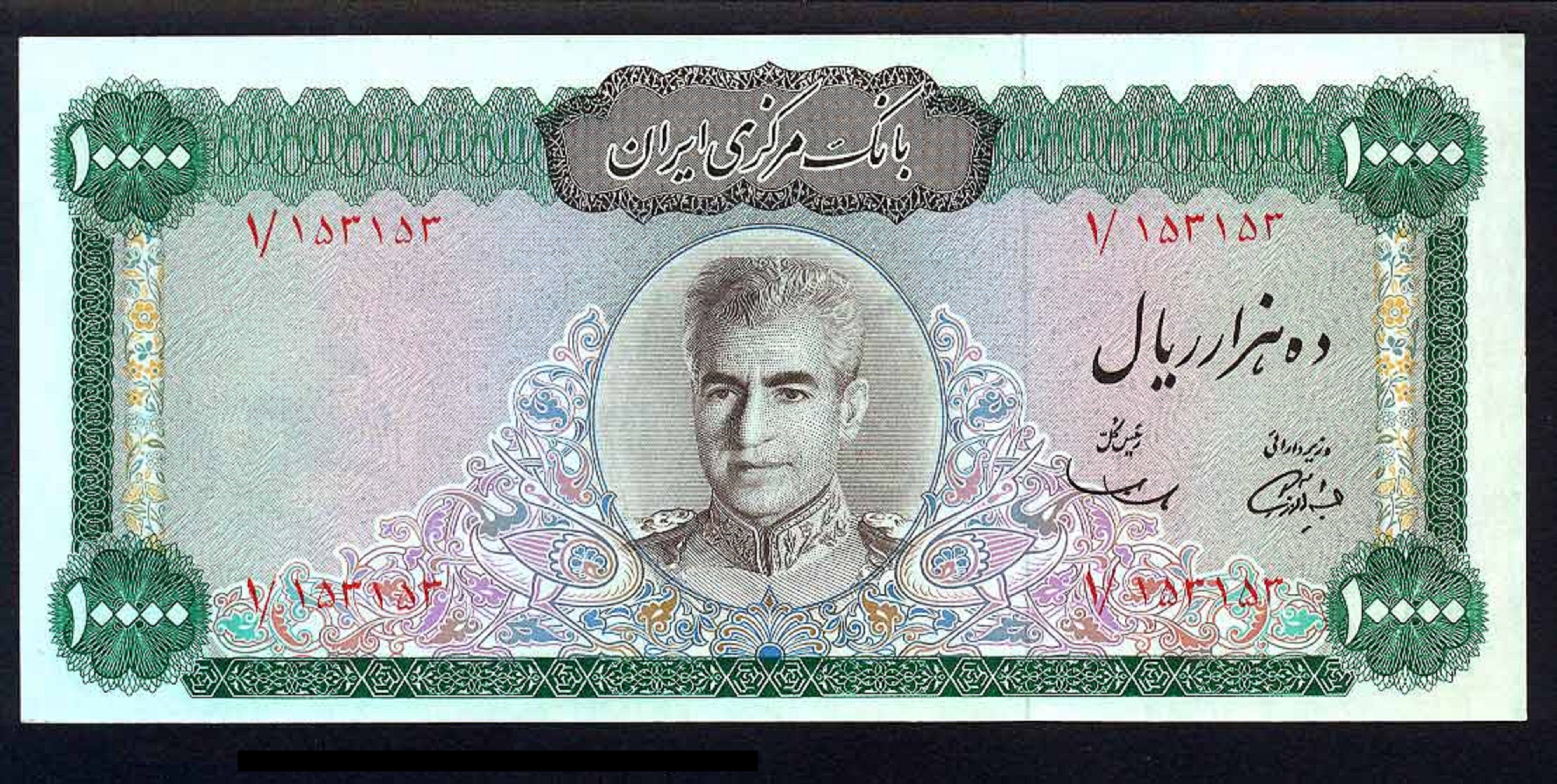
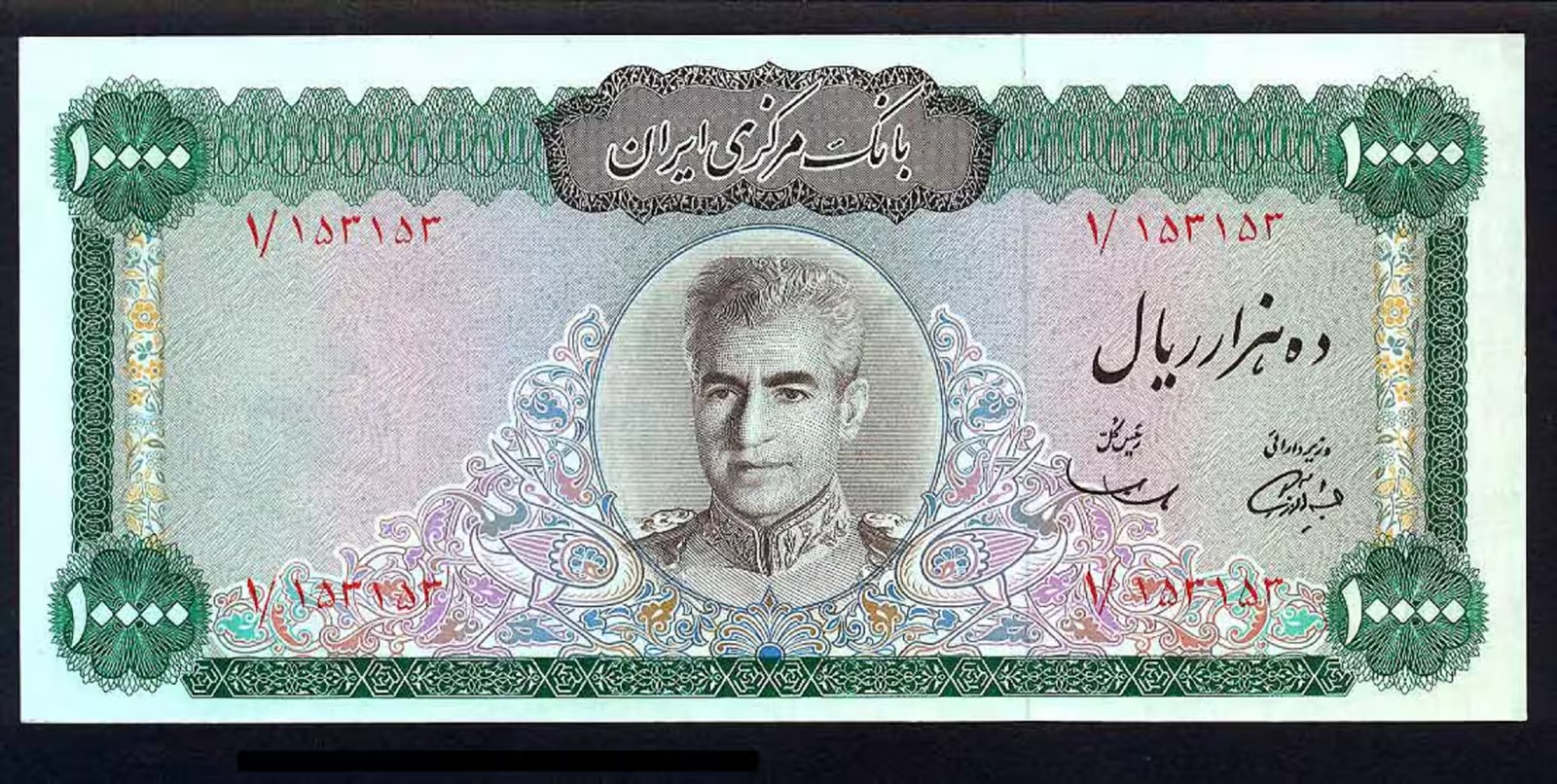
The 10,000-rial banknote of 1971
2500-years-of-empire era high denomination, ceremonial iconography.
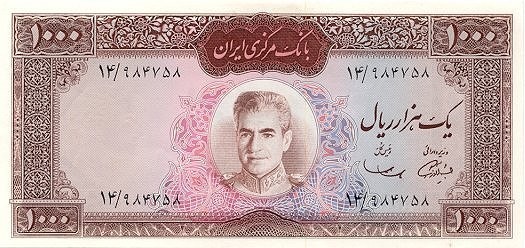
Banknotes of the Islamic Republic
Religious iconography, Imam Khomeini portrait series, security features.
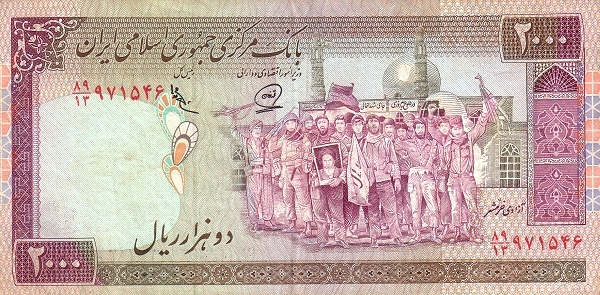
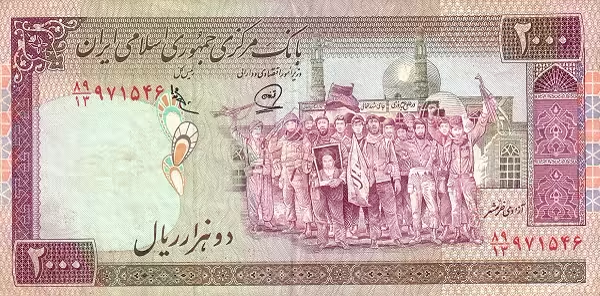
The 2000-rial banknote of 1982
Early Islamic Republic issue, Al-Aqsa mosque motif, iconographic shift.
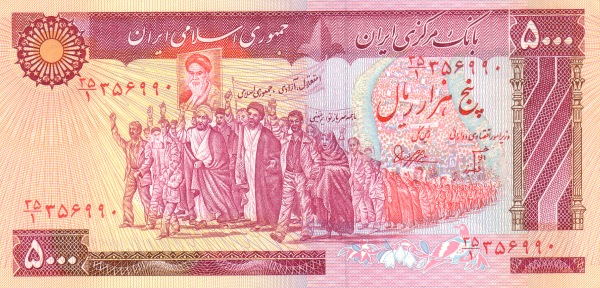
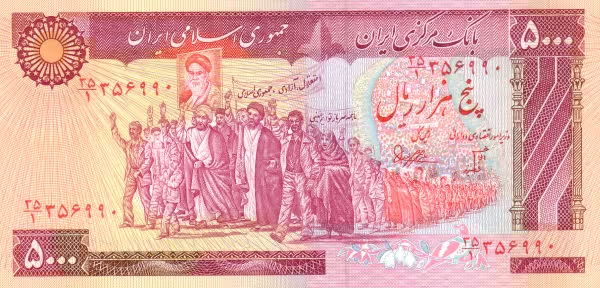
The 5000-rial banknote of 1981
Early revolutionary iconography, Khomeini portrait absent, transitional design.
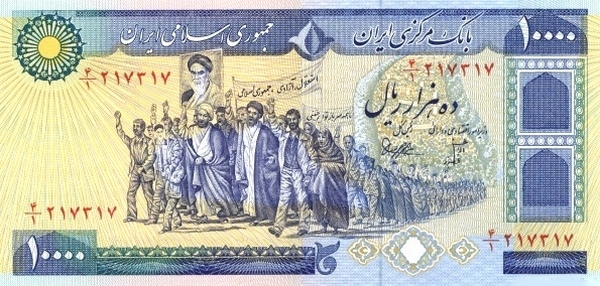
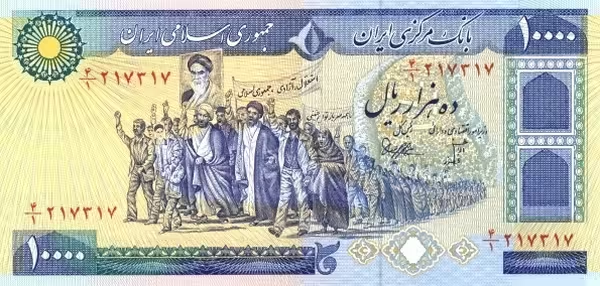
The 10,000-rial banknote of 1981
High-denomination early Islamic Republic note, iconography, security.
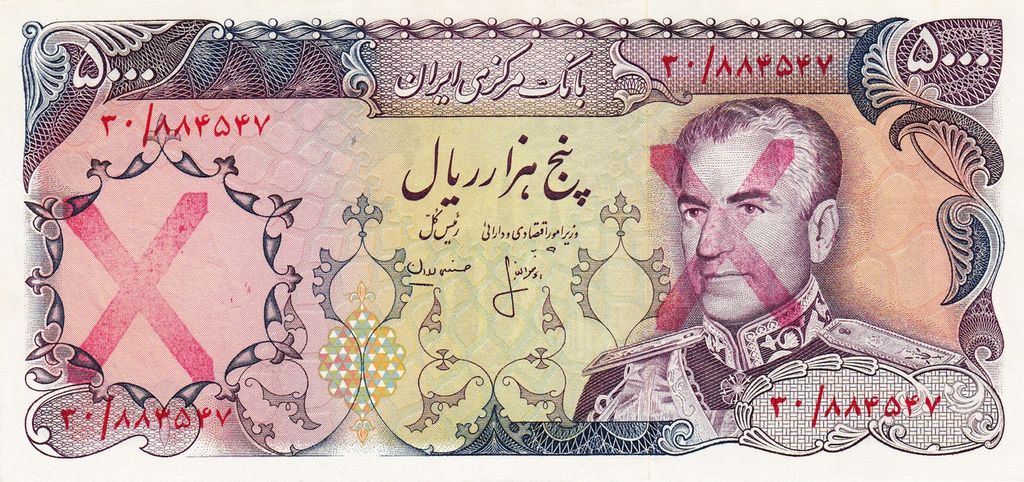
1979 revolution and Iran's overprinted banknotes
Crown overprints, transition coinage, monetary continuity through political rupture.
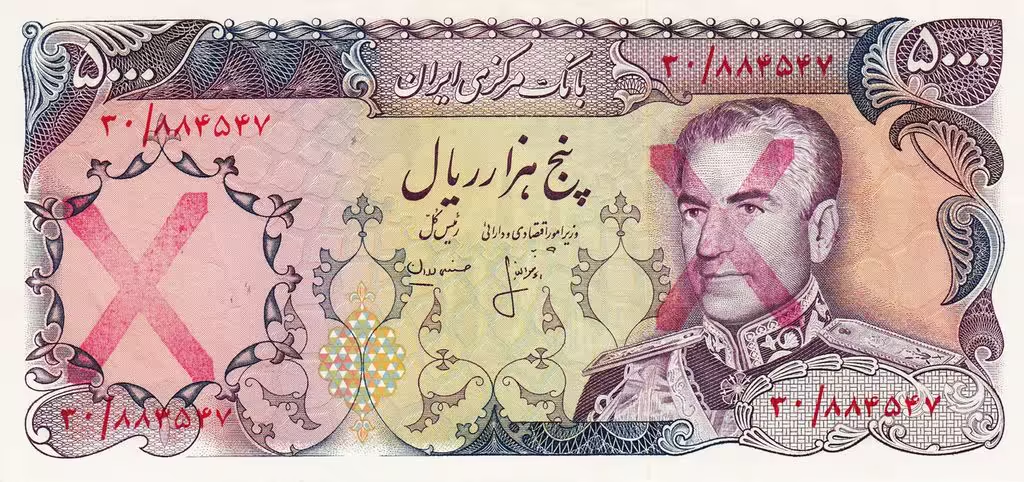
Iran's provisional currency of 1979
Post-revolution provisional notes, obliteration of royal portraits, Bank Markazi authority in the transition year.
The first Islamic Republic banknote series (1981)
Complete 100–10,000 rial family of 1981, new revolutionary iconography, calligraphic redesign, printing by TAMIN.
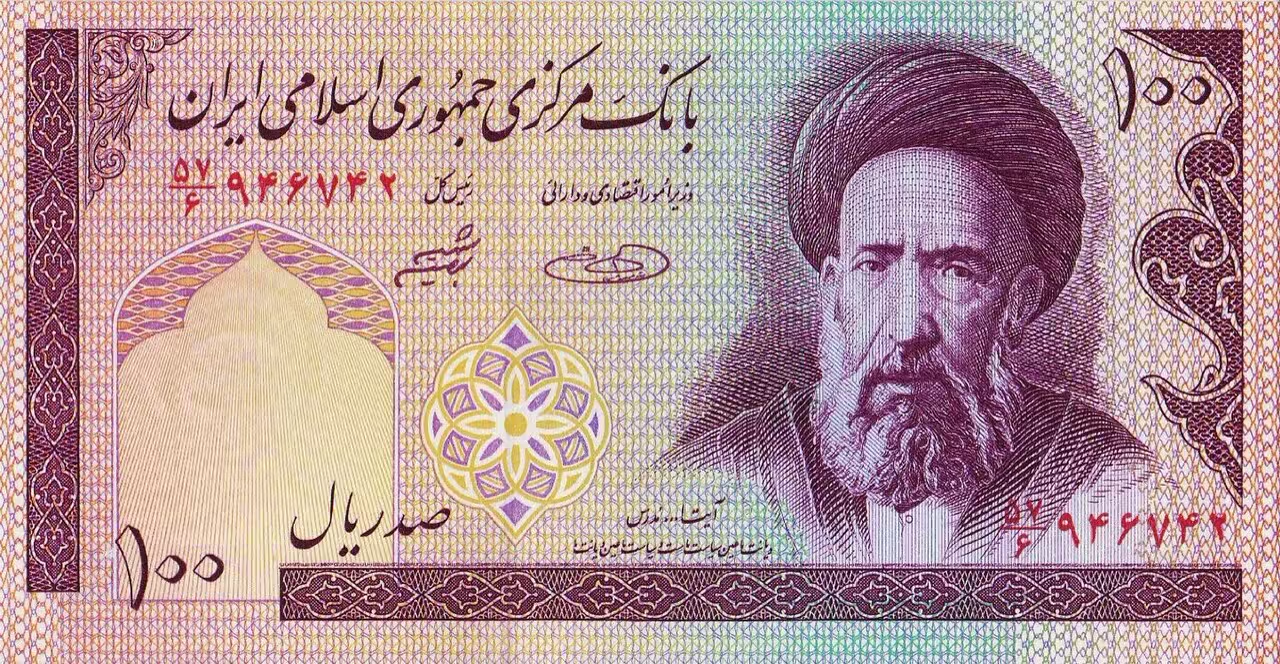
The 100-rial note of the Islamic Republic
Madraseh-ye Feyziyeh and Majlis motifs, watermark evolution, the smallest surviving note denomination.
The 200-rial note and its agricultural imagery
Farmers and Kaaba reverse types, self-sufficiency messaging in 1980s note design, long print runs.
The 500-rial note: Friday prayer and the war years
Iran–Iraq war-era iconography, crowd scenes as political statement, paper and security developments.
The 1000-rial note and the Dome of the Rock
Al-Aqsa/Dome of the Rock reverse, pan-Islamic symbolism, decades of design continuity.
The 2000-rial note across four decades
1986 and later types, Khomeini portrait standardisation, signature varieties by Bank Markazi governor.
The 5000-rial note and Iran's mid-value tier
Flower-and-bird and Persian Gulf types, inflation-driven redesigns, hologram and microprint additions.
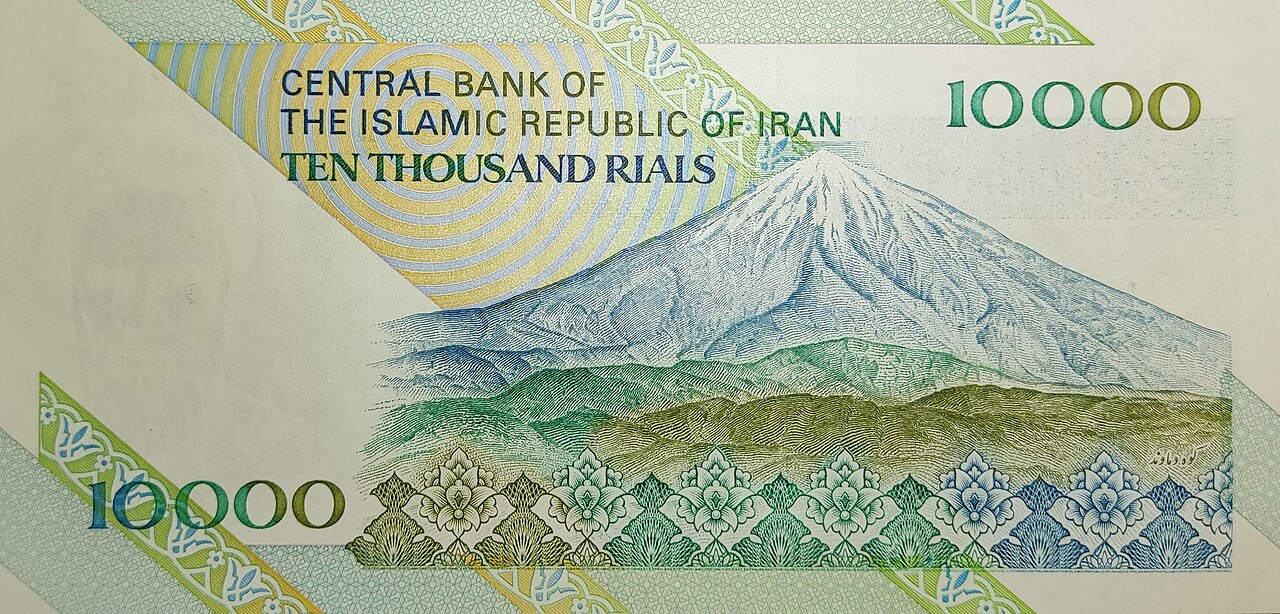
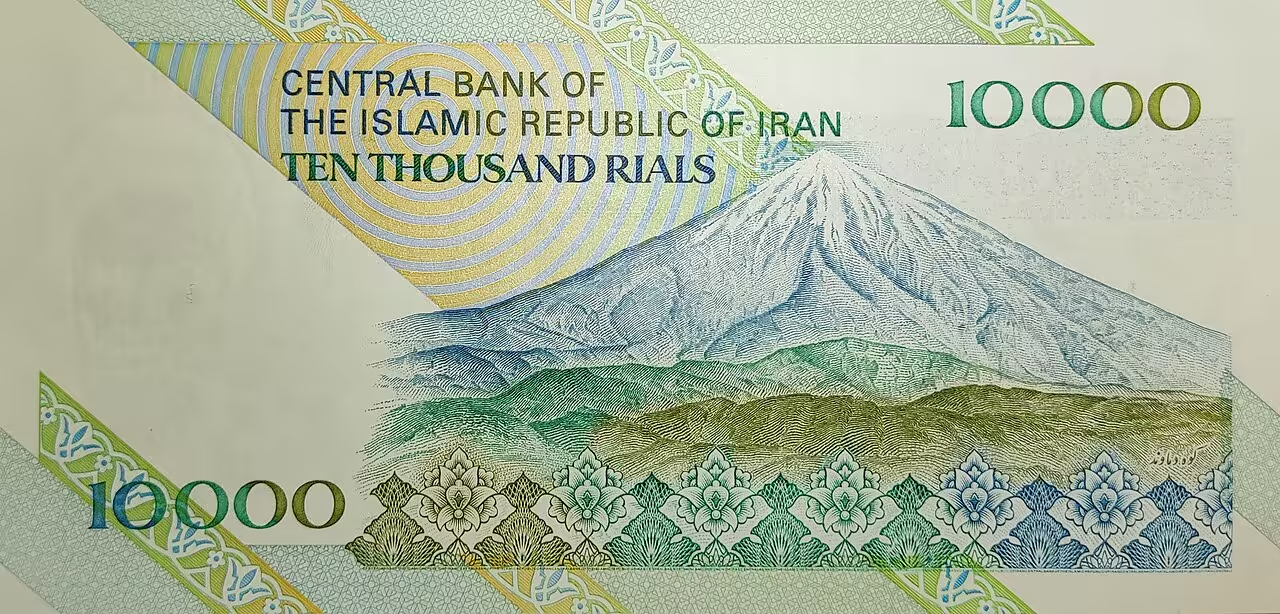
The 10,000-rial note: Damavand and Khomeini
Mount Damavand reverse, portrait engraving, why this denomination lost value fastest.
The 20,000-rial note (2004) and Iran's new high tier
Introduction under inflation pressure, Naqsh-e Jahan reverse, first note with modern optically variable ink.
The 50,000-rial note and the nuclear-symbol controversy
2007 issue, atomic motif and Quranic quotation, international reaction, later design revision.
The 100,000-rial note (2010)
Sa'di's tomb reverse, highest circulating denomination for a decade, anti-counterfeiting stack.
Iran cheques: quasi-banknotes of the 2000s
Bearer cheques of 500,000 and 1,000,000 rials, legal status, how they filled the denomination gap.
The 2020–2022 banknote redesign
Simplified portrait notes, the reintroduced 100,000 and 200,000 rial values, new substrate and thread.
Redenomination: rial to toman (2020–2025)
The parliamentary act removing four zeros, transitional dual-marked notes, practical effect on everyday pricing.
Security features of modern Iranian banknotes
Watermarks, security threads, intaglio, microtext, OVI and holographic patches from 1981 to today.
Signature varieties on Islamic Republic notes
Bank Markazi governor and finance minister signature combinations as a dating tool for collectors.
Commemorative and overprinted notes since 1979
Anniversary overprints, special-issue notes, and how commemoratives are catalogued.
Portrait iconography after the monarchy
From erased royal portraits to the standard Khomeini effigy: how the state re-imaged its money.
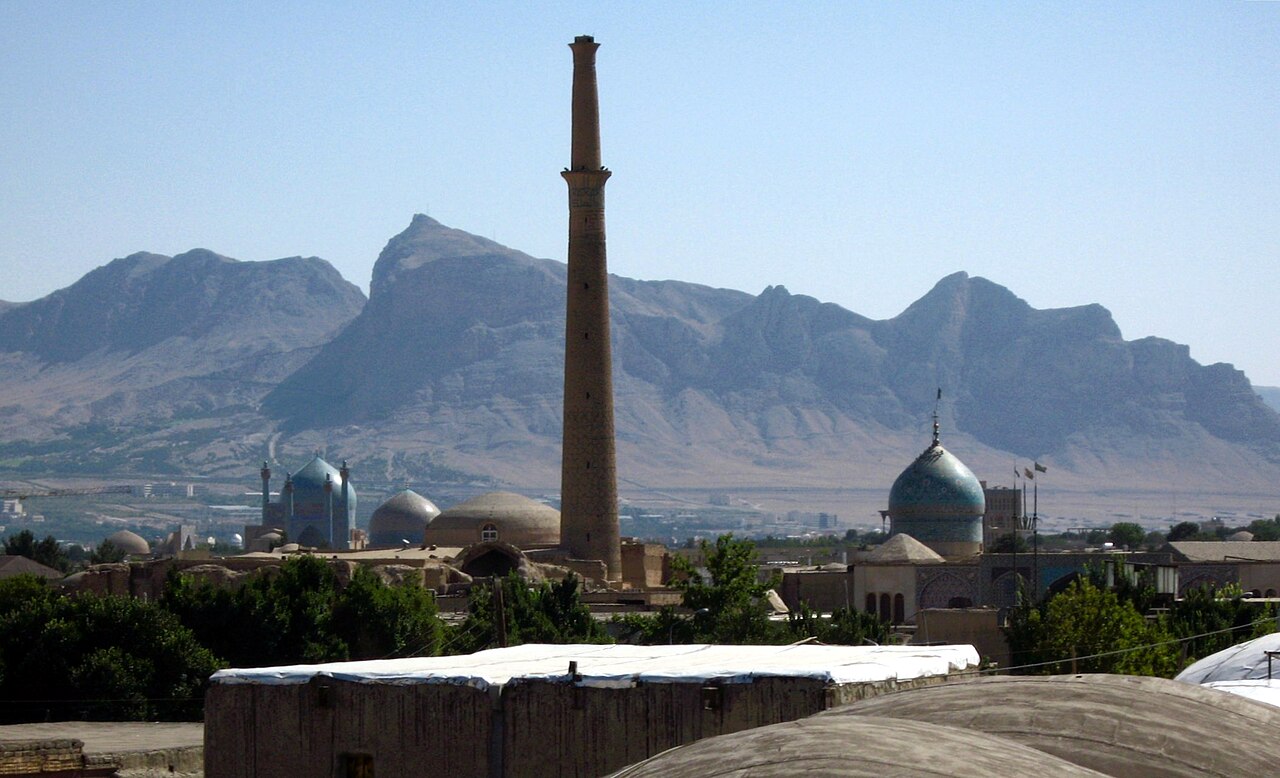
Architecture on modern Iranian banknote reverses
Naqsh-e Jahan, Sa'di's tomb, Feyziyeh, Damavand — the monument programme of post-1979 notes.
Inflation read through Iranian denominations, 1979–2025
How the top denomination climbed from 10,000 to 1,000,000 rials, and what that says about purchasing power.
TAMIN and Iran's banknote printing industry
Security Paper and Printing Company, domestic substrate production, sanctions-era self-reliance.
Counterfeiting and detection of modern Iranian notes
Documented forgery types since the 1990s, public detection guidance, Bank Markazi countermeasures.
Collecting modern Iranian banknotes (1979–2025)
Building a date-and-signature run, grading uncirculated notes, storage, and reference catalogues.
The digital rial and the future of Iranian cash
Bank Markazi CBDC pilots, declining cash use, what a digital unit means for note issuance.
What is Iranian money called? Rial vs toman explained
Answer the top search question directly: official rial, everyday toman, why prices are quoted in tomans, history of both names.
Iranian banknotes: a guide to every modern series
Pahlavi, 1979 overprints, Islamic Republic series, Iran Cheques, 2020s redesign; key security features.


Art & Architecture
Visual culture that frames the coinage — Persepolis reliefs, mosques, miniatures.
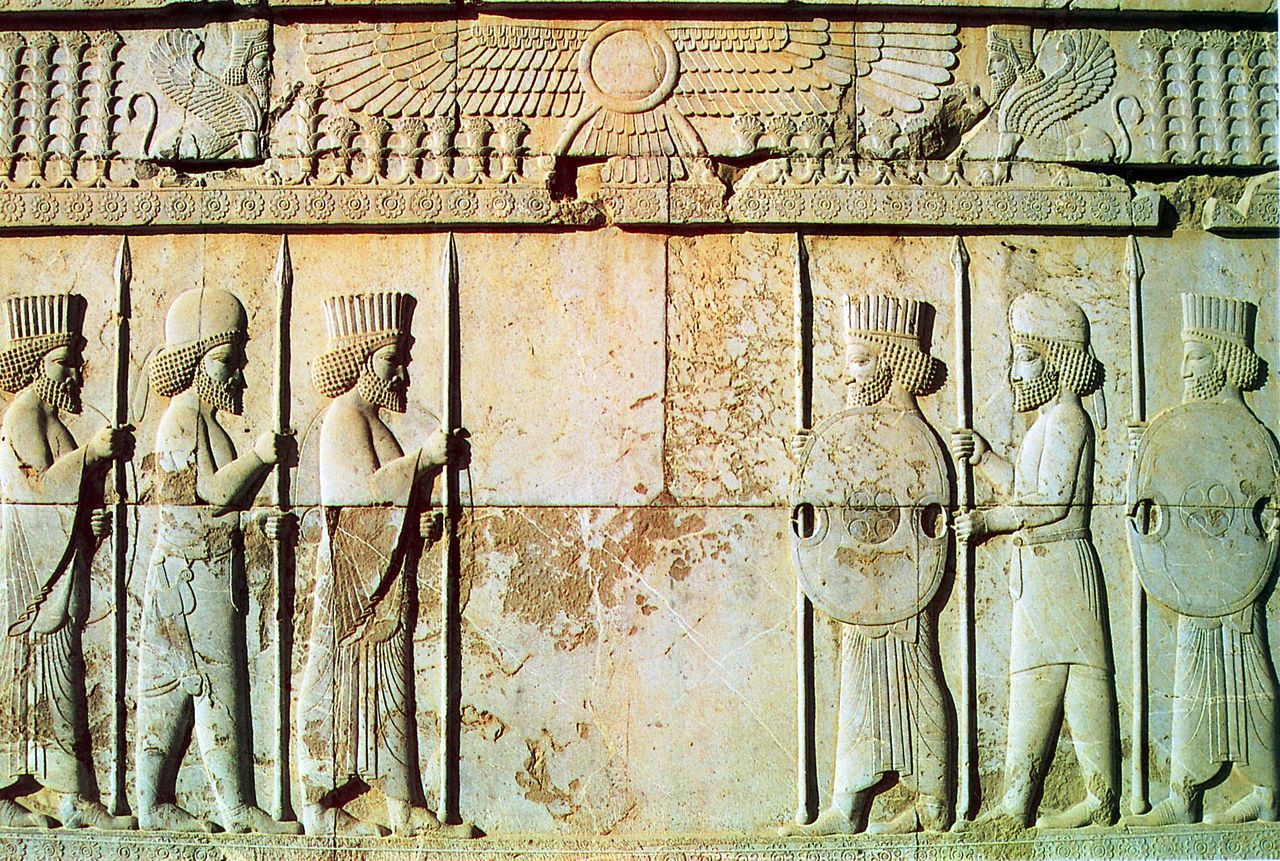
Persepolis and Achaemenid monumental sculpture
Apadana reliefs, gift-bearing delegations, link between palace art and coin imagery.
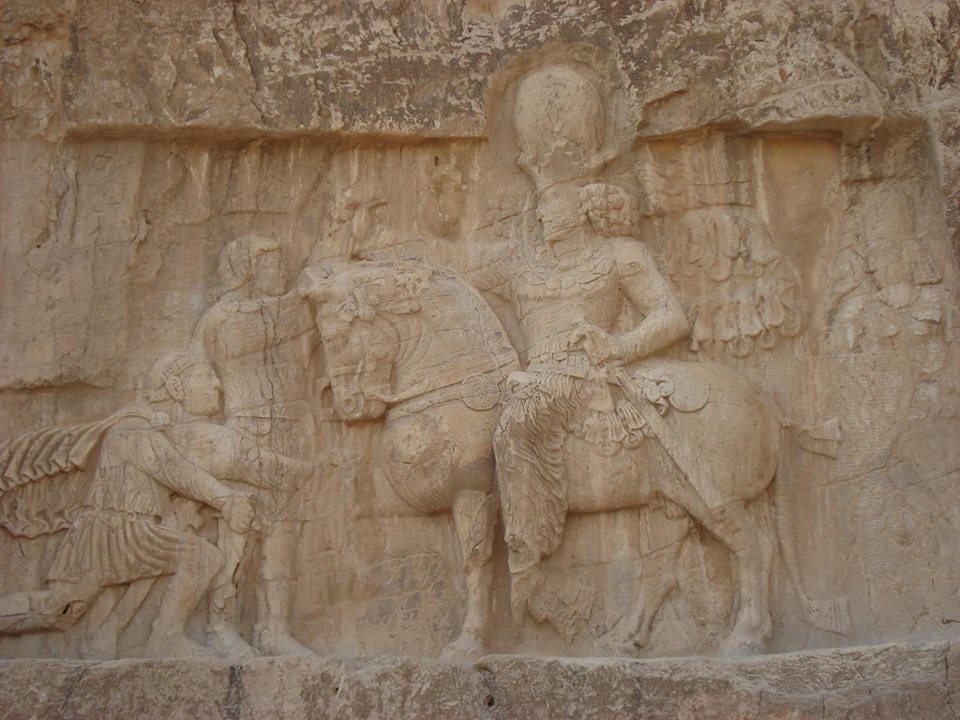
Naqsh-e Rostam: rock reliefs as state propaganda
Shapur I's triumph over Valerian, kings' tombs above, parallels with coin portraits.
Bisotun: Darius's trilingual victory monument
Old Persian / Elamite / Babylonian text, the role in deciphering cuneiform.
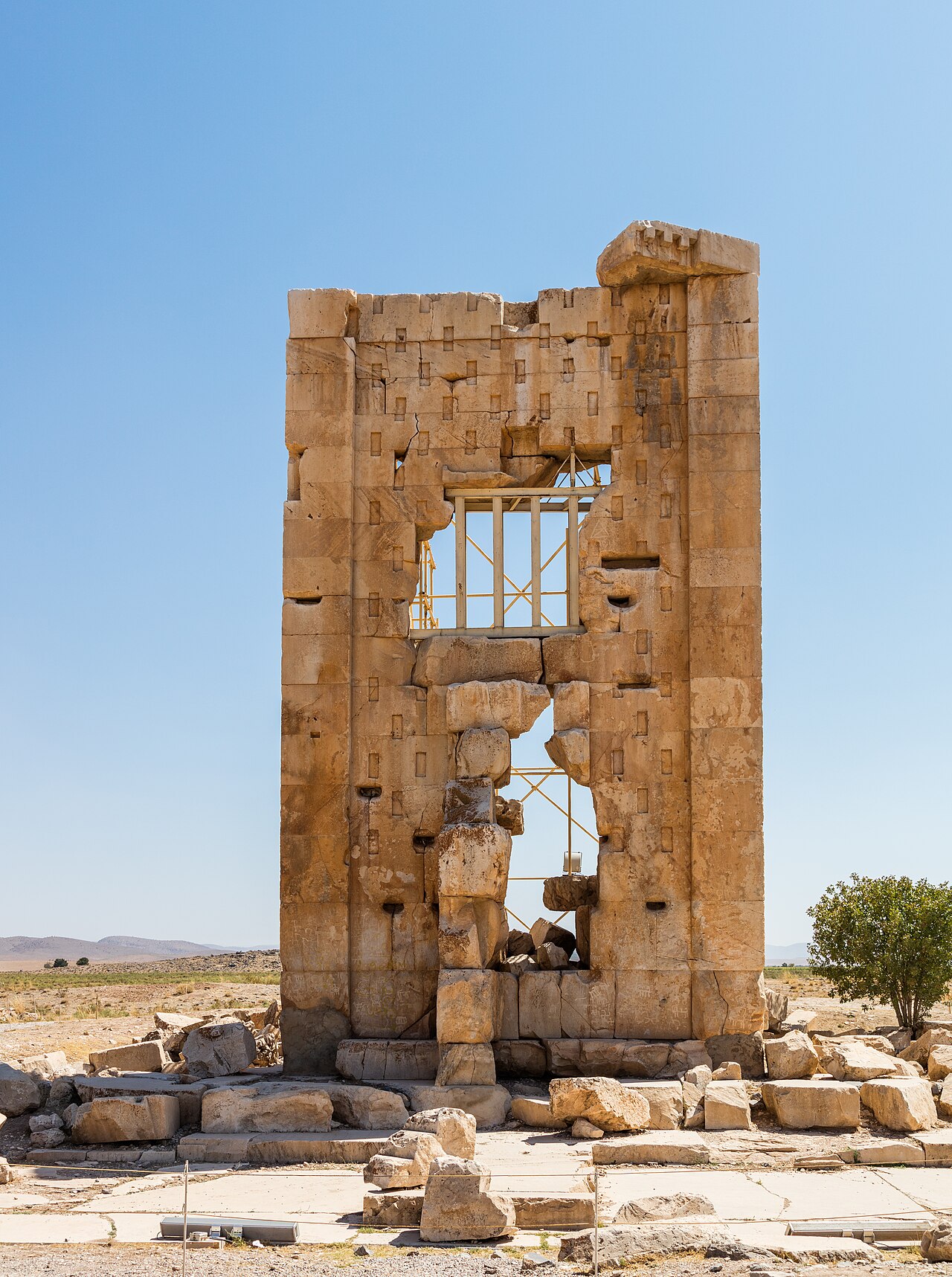
Pasargadae and Cyrus the Great's vision
Palace gardens (chahar bagh origin), tomb of Cyrus, transition to Persepolis.
Taq-i Kasra: the great arch of Ctesiphon
Largest single-span vault of antiquity, Sasanian engineering, Arab-era afterlife.
Isfahan's Naqsh-e Jahan: a Safavid stage set
Shah Abbas's planned square, Sheikh Lotfollah and Imam mosques, mint quarter.
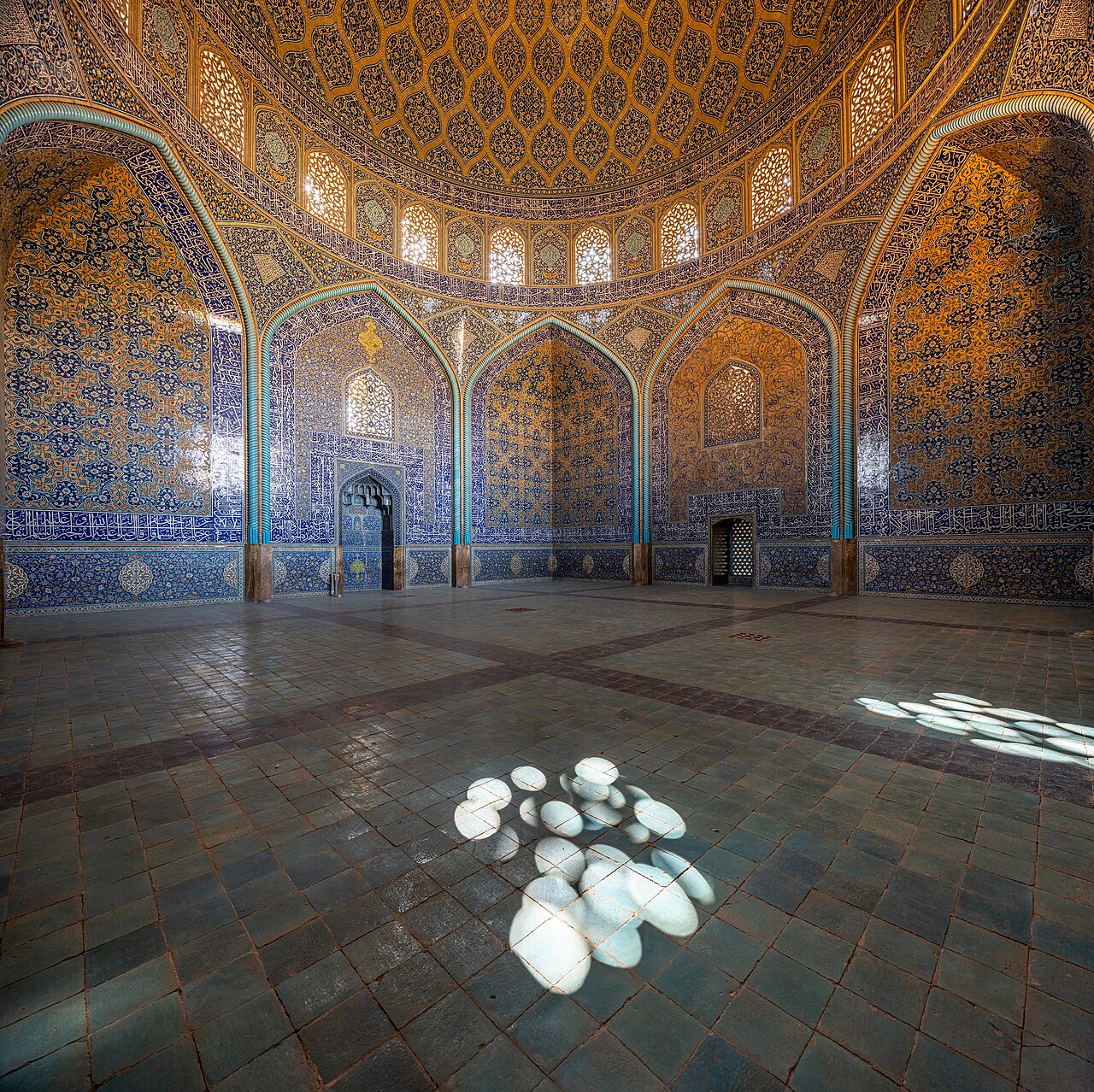
The Sheikh Lotfollah mosque: jewel of Isfahan
Private royal mosque, peacock dome, Safavid tilework at its peak.
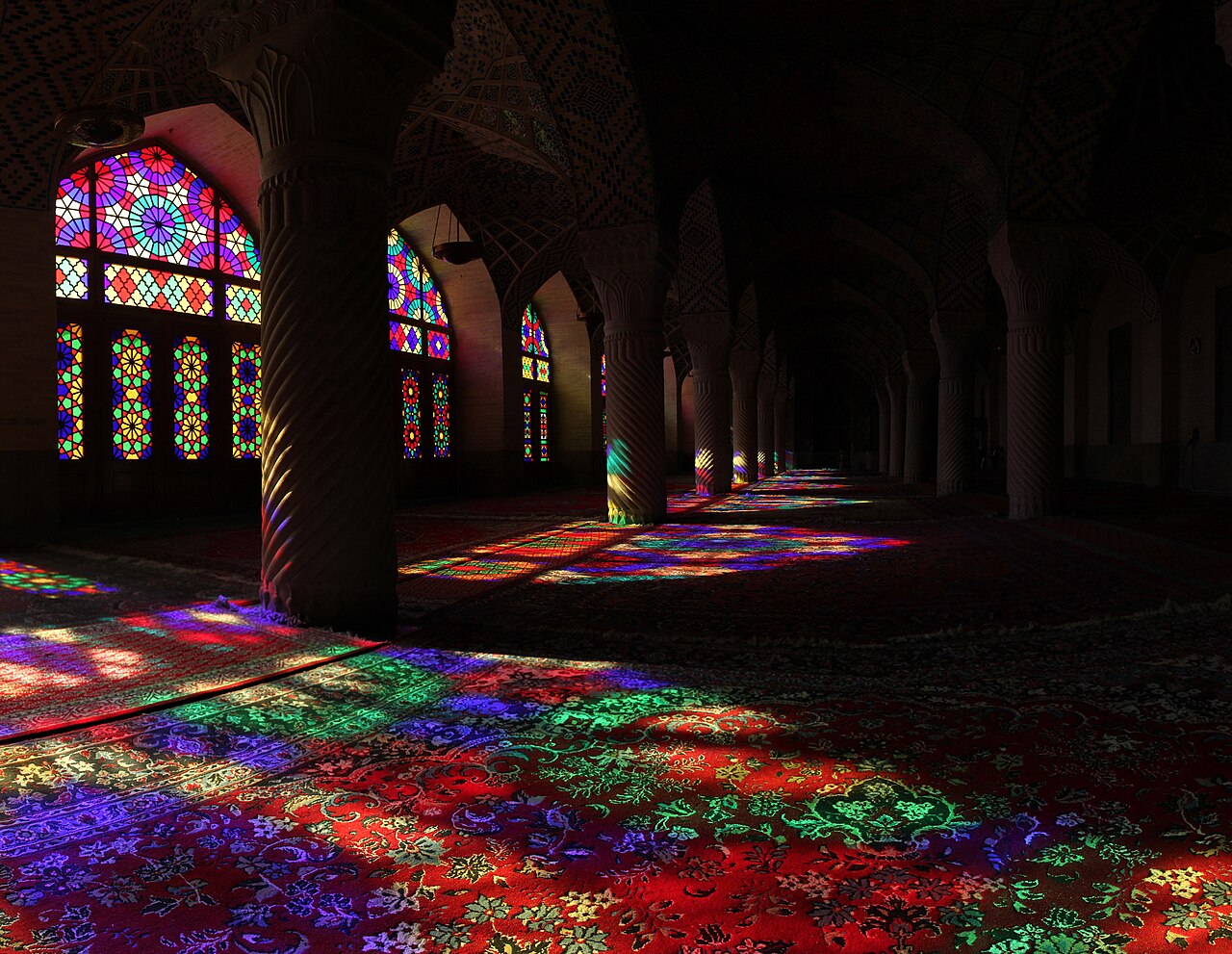
The Pink Mosque (Nasir al-Mulk) of Shiraz
Late-Qajar stained-glass mosque, dawn light, Western-influenced Iranian design.
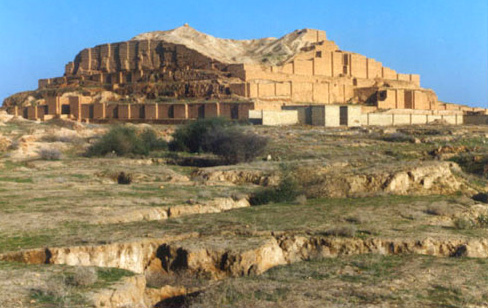
Chogha Zanbil: a 13th-century-BC Elamite ziggurat
Untash-Napirisha's complex, pre-coinage Iranian monumental religion.
The Persian miniature: a portable court art
Ilkhanid, Timurid, Safavid schools; Herat, Tabriz, Isfahan workshops.
Safavid carpets: silk, gold, and pattern
Ardabil carpet, Polonaise carpets, royal workshops of Isfahan and Kashan.
The Persian garden (chahar bagh) and paradise
Achaemenid origins, Safavid Isfahan, UNESCO listings, symbolism of water.
Persian tilework: from Kashan lustre to Isfahan haft-rang
Techniques (cuerda seca, mosaic faience), Kashan pottery centres, dome interiors.


Practice
Hands-on numismatics: reading dates, grading, authenticating, storing and conserving.
Reading Pahlavi script on Sasanian drachms
Letter forms, royal name conventions, regnal years, mint signatures (BBA, AS, WH).
Decoding mint marks on Iranian coinage
Abbreviations from Sasanian AHM to Qajar 'zarb Tehran': a practical primer.
Reading Hijri dates on Iranian coins
Hijri vs. Iranian solar calendar, common date formats, AH-to-CE conversion.
Grading Iranian coins: VF, EF, UNC explained
Sheldon-style grading applied to thin Sasanian flans and Qajar machine-struck.
Authenticating Persian coins: common forgeries
Cast vs. struck, modern Iranian fakes of Sasanian drachms, weight tests.
Storing and conserving silver and gold coins
Humidity, PVC, hand contact, archival flips, why not to clean ancient coins.
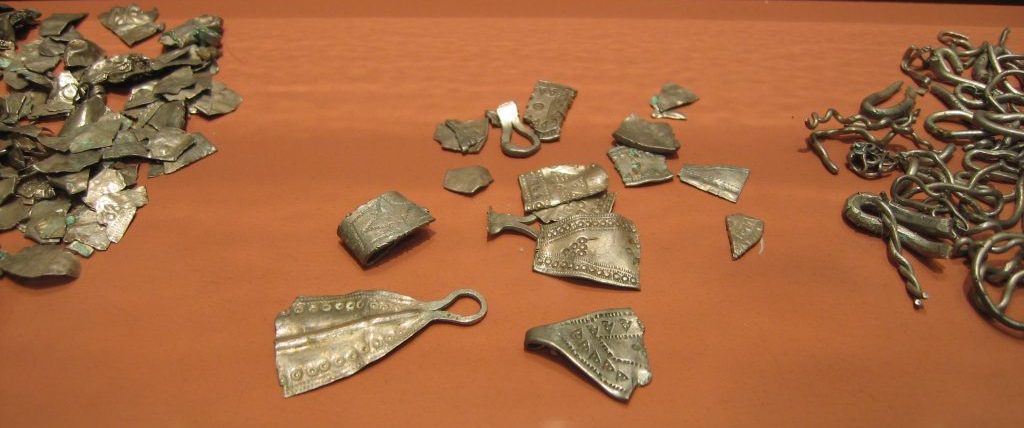
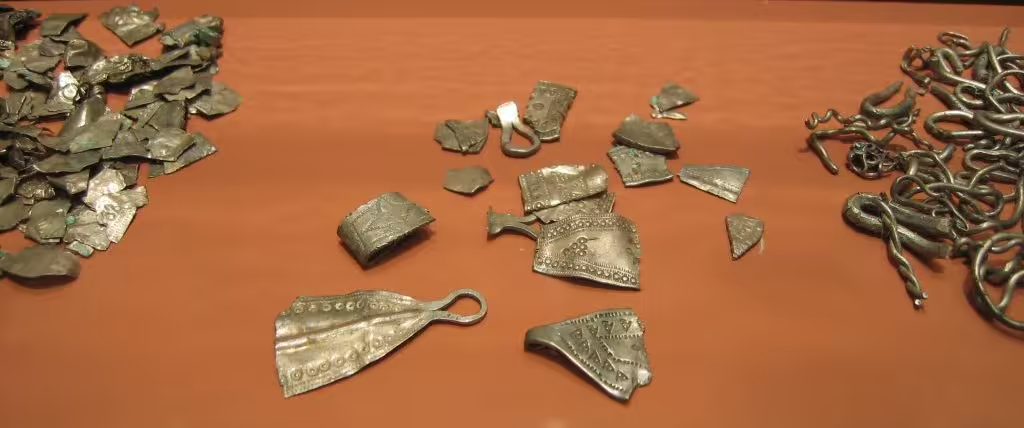
Hack silver: cut coins as bullion
Why dirhams reach Scandinavia in fragments, weight-based economy, Viking hoards.
Die axis, diameter, and weight: measuring an ancient coin
How to record die axis, why weight matters, non-invasive tools for collectors.
Photographing Iranian coins for study
Lighting angle, colour balance, showing legends on curved flans.
Coin hoards and provenance: why context matters
Legal export, published hoards, why unprovenanced material harms scholarship.
How to identify old Persian coins: a step-by-step guide
Metal, weight, script (Pahlavi, Kufic, Nastaliq), dates in Hijri/Solar, mint names; leads readers to careful identification.
People
Kings, reformers, and figures who shaped Iranian monetary history across the centuries.
Cyrus the Great and the founding of Persia
Achaemenid founder, Cyrus Cylinder, tolerant governance model, tomb at Pasargadae.
Darius I: administrator of an empire
Satrapy system, Royal Road, coinage reform (daric), Bisotun inscription.
Xerxes I and the reach of Achaemenid Persia
Greek wars, Persepolis construction, coinage of the late daric period.
Shapur I: conqueror of a Roman emperor
Victory over Valerian, Naqsh-e Rostam relief, gold and silver iconography.
Khosrow I Anushirvan and the golden age of the Sasanians
Tax reform, Justinian diplomacy, drachm output, cultural patronage.
Shah Abbas I: builder of an Iranian empire
Isfahan capital, silk monopoly, abbasi coinage, Portuguese/English diplomacy.
Nader Shah: the Napoleon of Persia
Rise from Khorasan, Delhi campaign, Peacock Throne, monetary innovations.
Karim Khan Zand: the reluctant king
Vakil title, Shiraz beautification, mild governance, gold and silver output.
Reza Shah Pahlavi: founder of modern Iran
1925 coronation, Bank Melli, name change from Persia to Iran, currency reform.
Economy & Trade
Silk-road silver flows, weight standards, bimetallism, and modern monetary reform.
The Silk Road and Iranian monetary networks
How Sasanian drachms and Samanid dirhams travelled from China to Scandinavia.
The Royal Road: fiscal arteries of the Achaemenid empire
Susa to Sardis, postal system, tribute collection in silver.
The 11th-century silver crisis of the Islamic east
Depletion of mines, debasement of dirhams, shift to gold and copper.
The 'vagabond dirham': Iranian silver in Viking hoards
Samanid dirhams unearthed in Sweden and Russia, trade routes, secondary use.
Bimetallism in pre-modern Iran: gold and silver together
Daric-siglos ratios, Sasanian dinar-drachm exchange, Islamic dinar-dirham system.
Metal sources of the Iranian plateau
Silver mines of the Panjhir, gold from Elam, copper of Kerman, geological base of coinage.
The 1932 currency reform: from toman to rial
Reza Shah's Bank Melli, gold parity, transition from private to state issuance.
The founding of Bank Melli Iran (1928)
First state bank, taking over Imperial Bank note issuance, national monetary sovereignty.
Weight standards of Iranian coinage, 550 BC – 1979
Attic, Persian, Islamic mithqal, and modern gram standards through 25 centuries.
Gold hoarding as private saving in modern Iran
Pahlavi and post-revolution gold demand, bazar dynamics, gold ounce vs. Pahlavi coin.
The Iranian rial: history of Iran's currency from 1932 to today
Introduction of the rial, pegs, devaluations, redenomination plans; purely historical, no live exchange rates.
Why the Iranian rial lost value: a historical timeline
Oil shocks, revolution, war, sanctions and inflation as drivers; neutral historical analysis, no current rates or advice.
Culture
Calendar, poetry, festivals, museums, and the wider cultural frame around Iranian coinage.
Nowruz and the tradition of gift coinage
Presentation coins at New Year, Qajar and Pahlavi practice, symbolism of gold.
The Shahnameh and heroic iconography on Iranian coins
Rustam, Kayanid kings, and epic imagery reflected in coin motifs and Qajar medals.
The Iranian solar calendar and dating coins
Reza Shah's 1925 solar reform, converting SH years to CE, contrasts with Hijri lunar.
The National Museum of Iran and its numismatic collection
Tehran holdings, Achaemenid to Pahlavi, key display pieces.
The British Museum's Iranian coin cabinet
Cyrus Cylinder, daric collection, Sasanian catalogue, digitisation.
The Cabinet des Médailles: Iranian coins in Paris
17th-century collections, De Sacy's contribution to Pahlavi decipherment.
The Hermitage's Sasanian and Central Asian silver
Perm silver hoard, rhytons, coin-adjacent luxury metalwork.
Encyclopædia Iranica and modern Iranian scholarship
Ehsan Yarshater's project, coin-related entries, reference for numismatics.
Zoroastrian symbols on Iranian coinage
Faravahar, fire altar, ashi wings; from Achaemenid seals to Sasanian drachms.
Poetry on coins: Persian couplets in gold
Qajar toman couplets, Nader's poems, Karim Khan's vakil verses.
The Avesta and the ideology of Sasanian coinage
Zoroastrian scripture behind fire-altar reverses, priestly authority in silver.
Entity hubs
Every topic on this page resolves to a richer entity page elsewhere on Persian Treasury.