Parthian (Arsacid) Empire
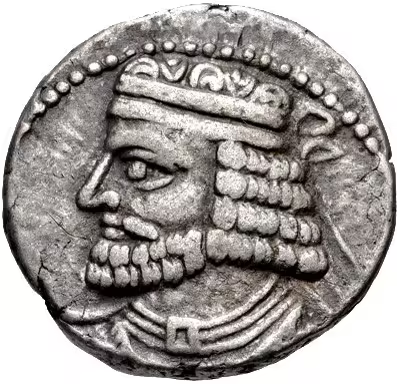
Vologases I Tetradrachm
Vologases I founded a new dynastic branch and is credited by Pahlavi tradition with the first systematic collection of the Avesta. His reign coincided with Rome's wars over Armenia and the Treaty of Rhandeia (63 CE).
| Date | 51–78 CE |
|---|---|
| Ruler / issuer | Vologases I |
| Mint | Seleucia-on-the-Tigris |
| Metal | Silver |
| Weight | ~13.5 g |
| Era | Parthian (Arsacid) Empire (247 BCE – 224 CE) |
| Region | Iran, Mesopotamia, Armenia |
Obverse and reverse
Obverse
Diademed bust of Vologases I left, beard short and stylised.
Reverse
King enthroned receiving diadem from standing Tyche; Greek legend, Seleucid-era month and year.
Historical context — Parthian (Arsacid) Empire
The Arsacid kings issued silver drachms and bronze chalkoi at Ecbatana, Seleucia, Susa, Mithradatkart and Rhagae. Reverse types are remarkably consistent: the seated archer Arsaces.
Read the full Parthian (Arsacid) Empire essay →Frequently asked
- What is the Vologases I Tetradrachm?
- Vologases I founded a new dynastic branch and is credited by Pahlavi tradition with the first systematic collection of the Avesta. His reign coincided with Rome's wars over Armenia and the Treaty of Rhandeia (63 CE). It was struck in 51–78 CE at Seleucia-on-the-Tigris under Vologases I.
- What metal and weight is it?
- Silver, weighing approximately ~13.5 g.
- What designs appear on it?
- Obverse: Diademed bust of Vologases I left, beard short and stylised. Reverse: King enthroned receiving diadem from standing Tyche; Greek legend, Seleucid-era month and year.