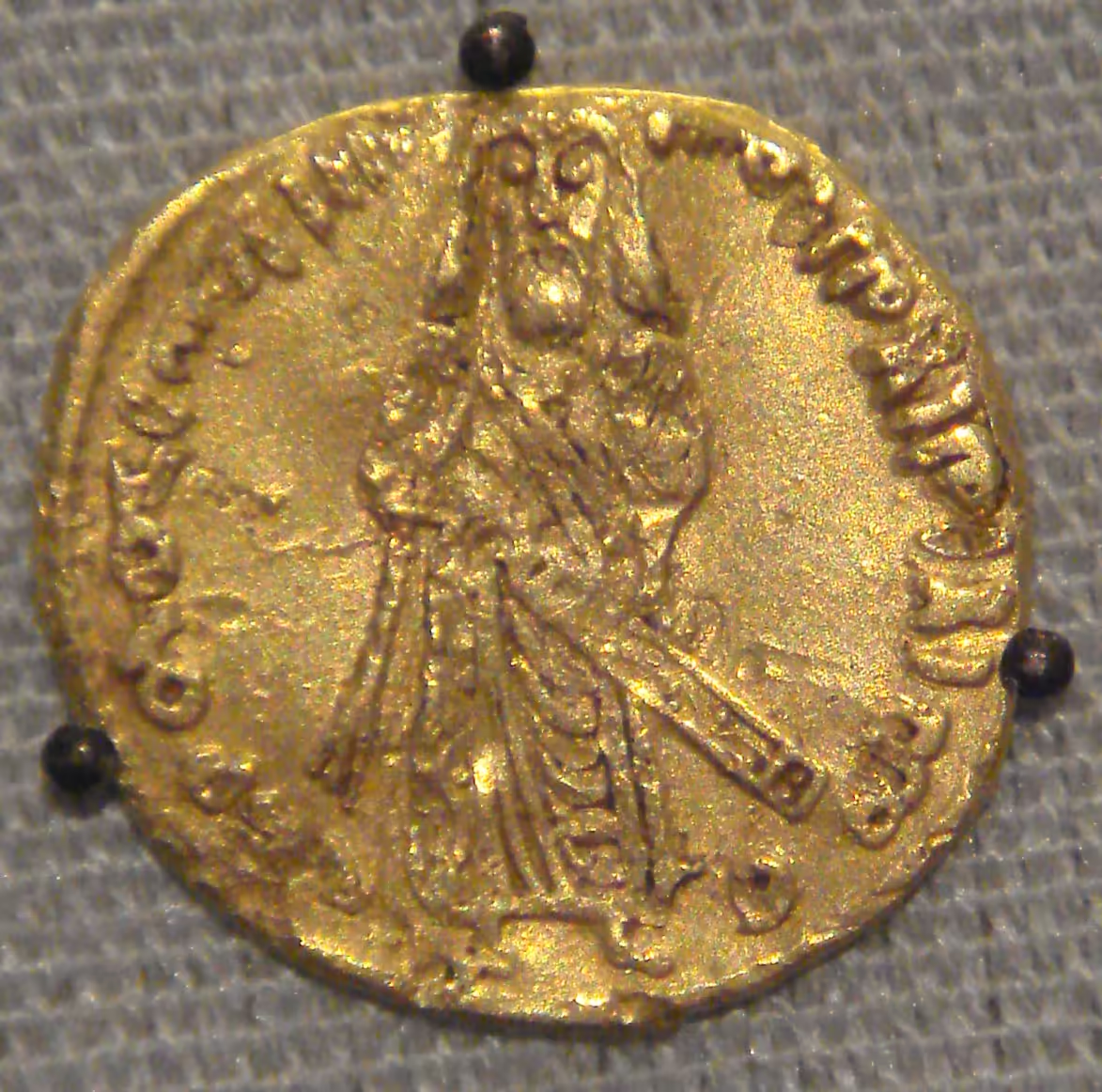
Arab-Sasanian & Early Islamic
Umayyad Gold Dinar
First purely epigraphic Islamic coin — a revolution in monetary art.
| Date | 77 AH / 696 CE |
|---|---|
| Ruler / issuer | Abd al-Malik (post-reform) |
| Mint | Damascus |
| Metal | Gold |
| Weight | ~4.25 g |
| Era | Arab-Sasanian & Early Islamic (651 – 1258 CE) |
| Region | Caliphate provinces of Iran |
Obverse and reverse
Obverse
Shahada in centre; mint and date in margin.
Reverse
Qur'an 112 (al-Ikhlas).
Historical context — Arab-Sasanian & Early Islamic
Arab governors continued striking Sasanian-style drachms with added Arabic Kufic legends (bismillah). Abd al-Malik's reform (696/77 AH) introduced epigraphic-only Islamic coinage — the silver dirham and gold dinar.
Read the full Arab-Sasanian & Early Islamic essay →Frequently asked
- What is the Umayyad Gold Dinar?
- First purely epigraphic Islamic coin — a revolution in monetary art. It was struck in 77 AH / 696 CE at Damascus under Abd al-Malik (post-reform).
- What metal and weight is it?
- Gold, weighing approximately ~4.25 g.
- What designs appear on it?
- Obverse: Shahada in centre; mint and date in margin. Reverse: Qur'an 112 (al-Ikhlas).