Achaemenid Empire
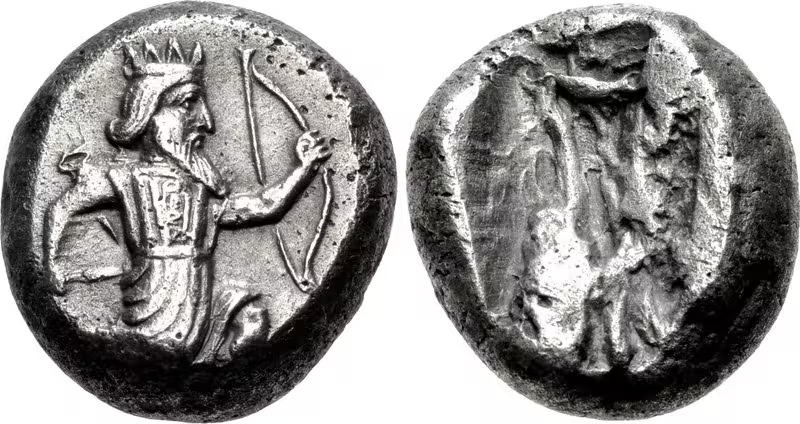
Silver Siglos (Type IIIb)
20 Sigloi = 1 Daric. Hundreds of thousands survive — the most common Achaemenid coin.
| Date | c. 485–375 BCE |
|---|---|
| Ruler / issuer | Xerxes I – Artaxerxes II |
| Mint | Sardis |
| Metal | Silver (~98% fine) |
| Weight | 5.35–5.55 g |
| Era | Achaemenid Empire (550 – 330 BCE) |
| Region | From the Indus to the Aegean |
Obverse and reverse
Obverse
King with bow and dagger, transitional kneeling pose.
Reverse
Rough incuse.
Historical context — Achaemenid Empire
Darius I (522–486 BCE) reformed imperial coinage, issuing the gold Daric and silver Siglos. Bearing the running or kneeling archer-king, they are among the most iconic ancient coins.
Read the full Achaemenid Empire essay →Frequently asked
- What is the Silver Siglos (Type IIIb)?
- 20 Sigloi = 1 Daric. Hundreds of thousands survive — the most common Achaemenid coin. It was struck in c. 485–375 BCE at Sardis under Xerxes I – Artaxerxes II.
- What metal and weight is it?
- Silver (~98% fine), weighing approximately 5.35–5.55 g.
- What designs appear on it?
- Obverse: King with bow and dagger, transitional kneeling pose. Reverse: Rough incuse.