Sasanian Empire
Shapur I Gold Dinar
Sasanian gold dinars were comparatively rare, used for diplomatic gifts and high-value trade with Rome and India. Shapur I's gold issues celebrate his triumphs over three Roman emperors — most famously the capture of Valerian in 260 CE.
| Date | c. 260–272 CE |
|---|---|
| Ruler / issuer | Shapur I |
| Metal | Gold |
| Weight | ~7.4 g |
| Era | Sasanian Empire (224 – 651 CE) |
| Region | Iran, Iraq, Caucasus, Central Asia |
Obverse and reverse
Obverse
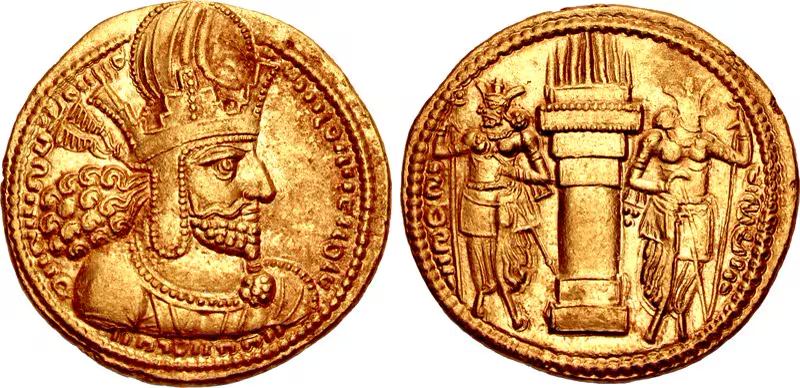
Crowned bust of Shapur I right, wearing mural crown with korymbos and earring; Pahlavi legend 'Mazda-worshipping divine Shapur, King of Kings of Iran'.
Reverse
Fire altar flanked by two royal attendants.
Historical context — Sasanian Empire
The Sasanians produced the most artistically consistent and historically informative ancient coinage: thin, broad silver drachms with the king's crown on obverse and a Zoroastrian fire altar on reverse.
Read the full Sasanian Empire essay →Frequently asked
- What is the Shapur I Gold Dinar?
- Sasanian gold dinars were comparatively rare, used for diplomatic gifts and high-value trade with Rome and India. Shapur I's gold issues celebrate his triumphs over three Roman emperors — most famously the capture of Valerian in 260 CE. It was struck in c. 260–272 CE under Shapur I.
- What metal and weight is it?
- Gold, weighing approximately ~7.4 g.
- What designs appear on it?
- Obverse: Crowned bust of Shapur I right, wearing mural crown with korymbos and earring; Pahlavi legend 'Mazda-worshipping divine Shapur, King of Kings of Iran'. Reverse: Fire altar flanked by two royal attendants.