Seleucid Persia
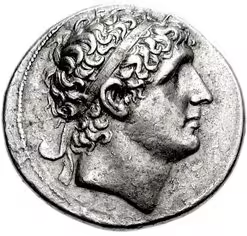
Early Seleucid Tetradrachm
Anchor symbol referenced the Seleucid dynasty's founding legend.
| Date | 281–261 BCE |
|---|---|
| Ruler / issuer | Antiochos I Soter (Seleucid) |
| Mint | Magnesia on the Maeander |
| Metal | Silver |
| Weight | ~17 g |
| Era | Seleucid Persia (312 – 141 BCE) |
| Region | Iran, Mesopotamia, Bactria |
Obverse and reverse
Obverse
Diademed bust of the king.
Reverse
Apollo seated on omphalos; anchor monogram.
Historical context — Seleucid Persia
After Alexander's death, Seleucus I and successors struck Hellenistic tetradrachms across Persian mints — Susa, Ecbatana, Persepolis, Seleucia-on-the-Tigris.
Read the full Seleucid Persia essay →Frequently asked
- What is the Early Seleucid Tetradrachm?
- Anchor symbol referenced the Seleucid dynasty's founding legend. It was struck in 281–261 BCE at Magnesia on the Maeander under Antiochos I Soter (Seleucid).
- What metal and weight is it?
- Silver, weighing approximately ~17 g.
- What designs appear on it?
- Obverse: Diademed bust of the king. Reverse: Apollo seated on omphalos; anchor monogram.