Qajar Dynasty
Naser al-Din Shah Qiran — Herat Mint
Issued during the brief Iranian occupation of Herat (1856), which triggered the Anglo-Persian War — by the Treaty of Paris (1857) Iran formally renounced all claims to Herat, ending centuries of Persian sovereignty over the city.
| Date | c. 1856 CE |
|---|---|
| Ruler / issuer | Naser al-Din Shah Qajar |
| Mint | Herat |
| Metal | Silver |
| Weight | ~4.6 g |
| Era | Qajar Dynasty (1789 – 1925 CE) |
| Region | Iran |
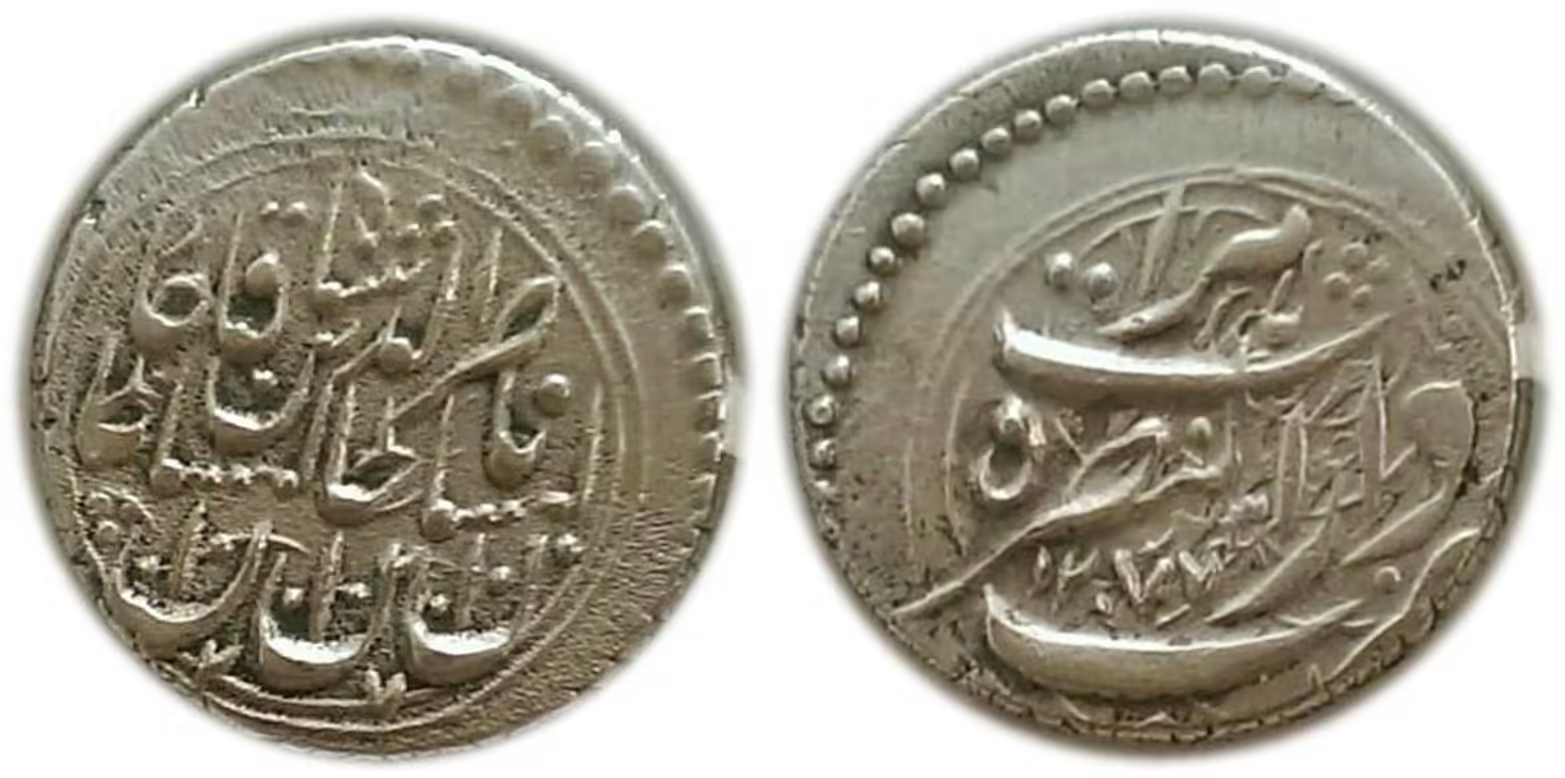
Obverse and reverse
Obverse
Lion-and-Sun within wreath.
Reverse
Shah's name with 'Zarb Herat'.
Historical context — Qajar Dynasty
Qajar coinage introduced the Lion-and-Sun emblem, mechanised minting (1877), and the country's first banknotes (1890, Imperial Bank of Persia). Denominations: toman (gold), qiran (silver), shahi (copper).
Read the full Qajar Dynasty essay →Frequently asked
- What is the Naser al-Din Shah Qiran — Herat Mint?
- Issued during the brief Iranian occupation of Herat (1856), which triggered the Anglo-Persian War — by the Treaty of Paris (1857) Iran formally renounced all claims to Herat, ending centuries of Persian sovereignty over the city. It was struck in c. 1856 CE at Herat under Naser al-Din Shah Qajar.
- What metal and weight is it?
- Silver, weighing approximately ~4.6 g.
- What designs appear on it?
- Obverse: Lion-and-Sun within wreath. Reverse: Shah's name with 'Zarb Herat'.