Qajar Dynasty
Naser al-Din Shah 10 Toman Gold
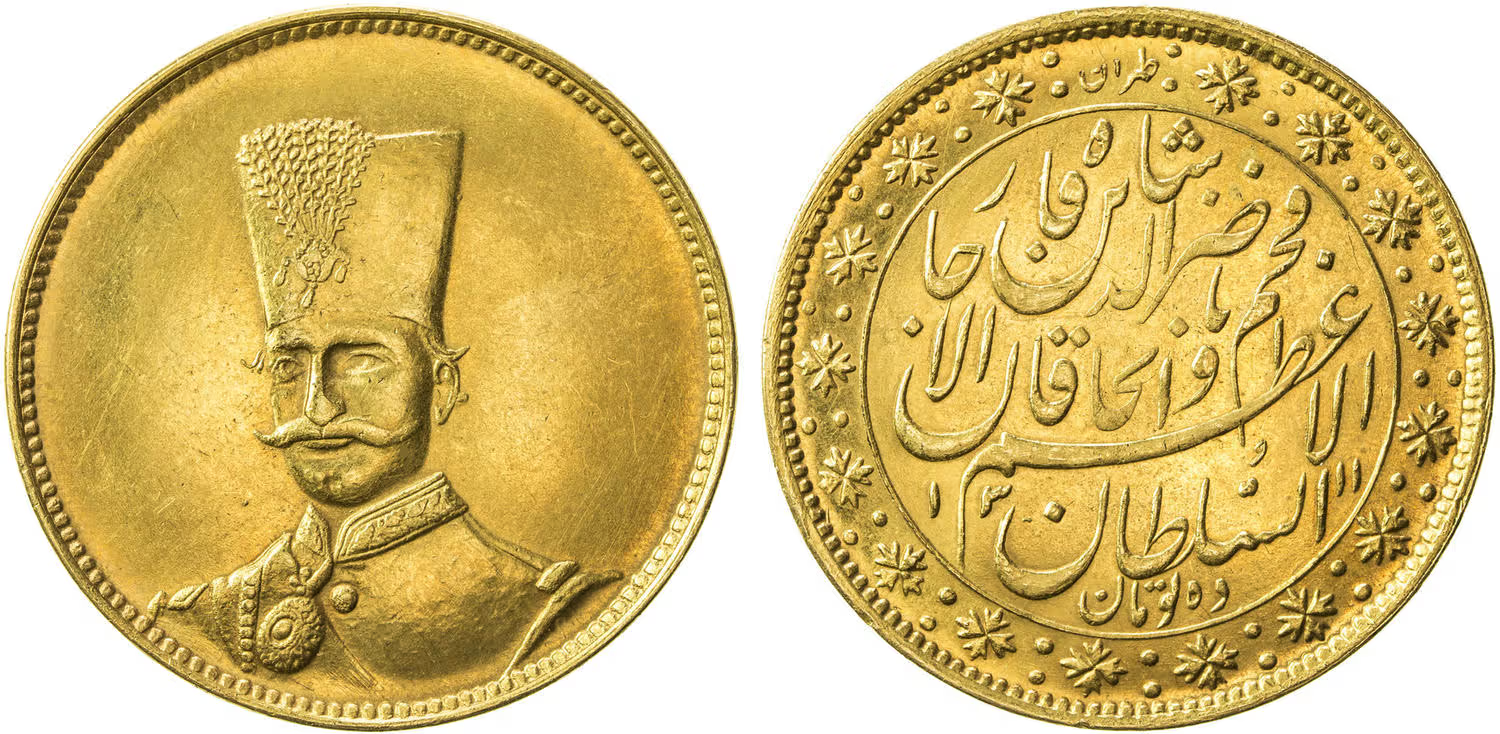
Heavy ceremonial gold piece — among the largest circulating Iranian gold coins of the 19th century. Rare in collectors' hands; struck primarily for royal gifts and bullion reserve.
| Date | Late 19th century |
|---|---|
| Ruler / issuer | Naser al-Din Shah Qajar |
| Mint | Tehran |
| Metal | Gold |
| Weight | ~28.8 g |
| Era | Qajar Dynasty (1789 – 1925 CE) |
| Region | Iran |
Obverse and reverse
Obverse
Bust of Naser al-Din Shah in military uniform with Pahlavi-style decorations.
Reverse
Crowned Lion-and-Sun; '10 Toman' in Persian numerals.
Historical context — Qajar Dynasty
Qajar coinage introduced the Lion-and-Sun emblem, mechanised minting (1877), and the country's first banknotes (1890, Imperial Bank of Persia). Denominations: toman (gold), qiran (silver), shahi (copper).
Read the full Qajar Dynasty essay →Frequently asked
- What is the Naser al-Din Shah 10 Toman Gold?
- Heavy ceremonial gold piece — among the largest circulating Iranian gold coins of the 19th century. Rare in collectors' hands; struck primarily for royal gifts and bullion reserve. It was struck in Late 19th century at Tehran under Naser al-Din Shah Qajar.
- What metal and weight is it?
- Gold, weighing approximately ~28.8 g.
- What designs appear on it?
- Obverse: Bust of Naser al-Din Shah in military uniform with Pahlavi-style decorations. Reverse: Crowned Lion-and-Sun; '10 Toman' in Persian numerals.