Pahlavi Dynasty
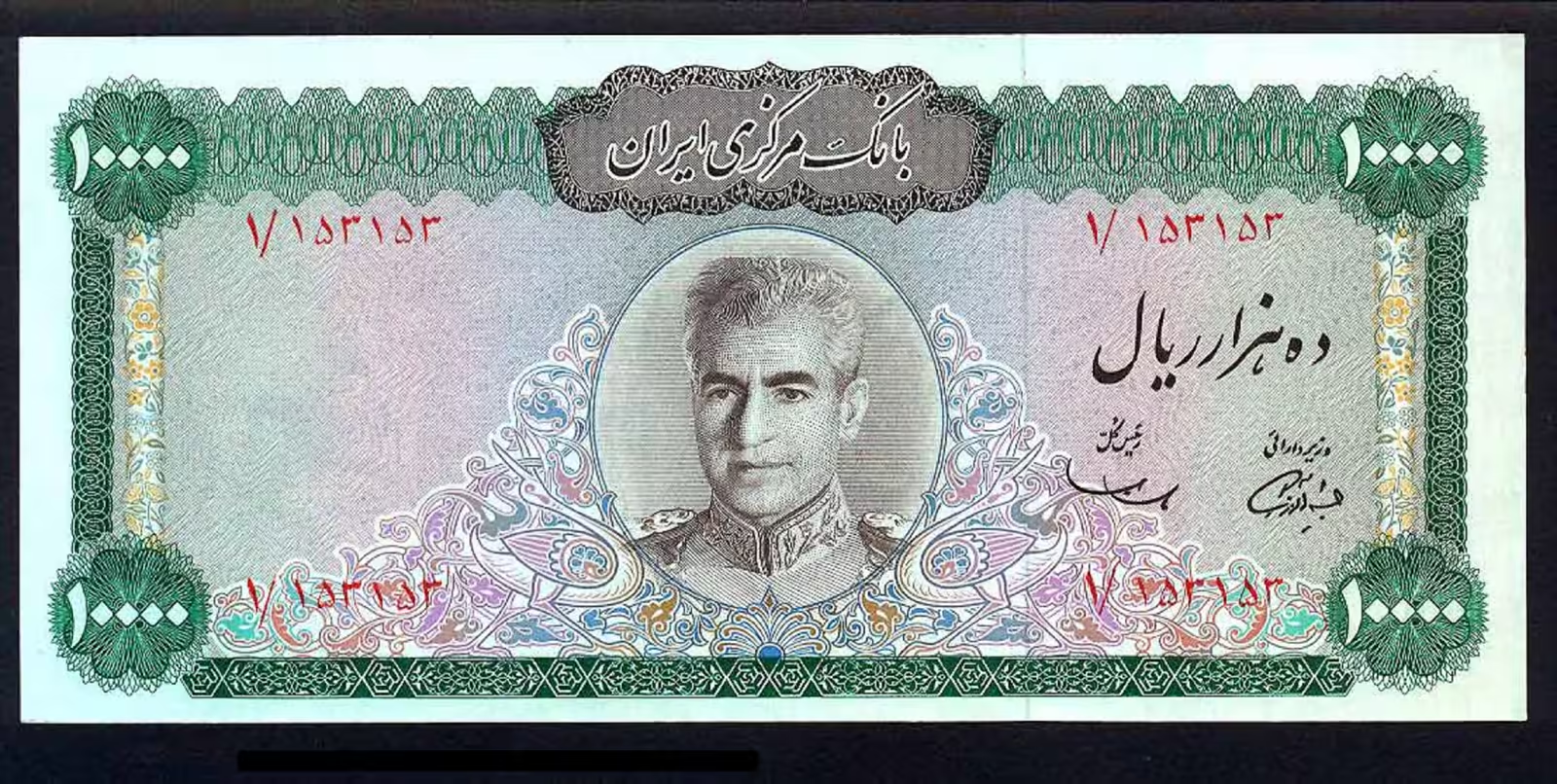
Mohammad Reza Shah 10,000 Rial (1971)
The highest denomination of the early-1970s oil-boom series, issued in the year of the spectacular 2,500-year monarchy celebrations at Persepolis.
| Date | 1971 |
|---|---|
| Ruler / issuer | Mohammad Reza Shah |
| Mint | Bank Markazi Iran |
| Metal | Paper |
| Era | Pahlavi Dynasty (1925 – 1979 CE) |
| Region | Iran |
Obverse and reverse
Obverse
Shah's portrait in ceremonial dress with Pahlavi crown.
Reverse
Golestan Palace vignette.
Historical context — Pahlavi Dynasty
Reza Shah reformed currency in 1932: the rial replaced the qiran (1 toman = 10 rial). Bank Melli took over note issuance in 1932. Pahlavi era includes commemoratives for the 2500-year celebrations and FAO series.
Read the full Pahlavi Dynasty essay →Frequently asked
- What is the Mohammad Reza Shah 10,000 Rial (1971)?
- The highest denomination of the early-1970s oil-boom series, issued in the year of the spectacular 2,500-year monarchy celebrations at Persepolis. It was struck in 1971 at Bank Markazi Iran under Mohammad Reza Shah.
- What metal and weight is it?
- Paper.
- What designs appear on it?
- Obverse: Shah's portrait in ceremonial dress with Pahlavi crown. Reverse: Golestan Palace vignette.