Achaemenid Empire
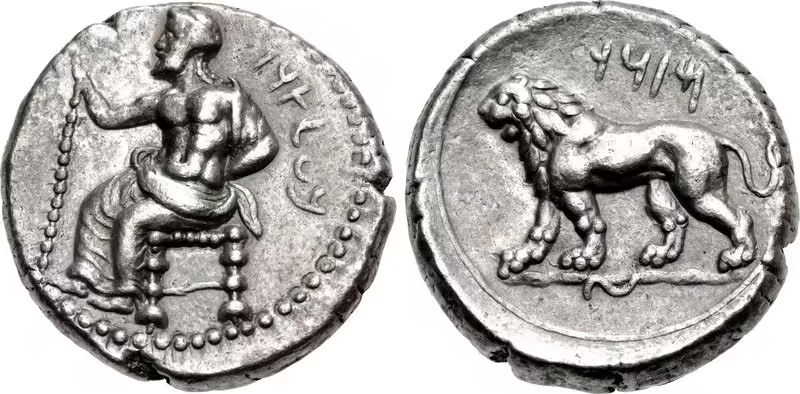
Mazaios Satrapal Double Shekel — Babylon
Struck by Mazaios, the Achaemenid satrap who surrendered Babylon to Alexander in 331 BCE and was confirmed as governor. His coinage is a hinge moment: Achaemenid satrapal iconography continued unchanged into the early Macedonian administration.
| Date | c. 331–328 BCE |
|---|---|
| Ruler / issuer | Mazaios, Satrap of Babylon |
| Mint | Babylon |
| Metal | Silver |
| Weight | ~17.0 g |
| Era | Achaemenid Empire (550 – 330 BCE) |
| Region | From the Indus to the Aegean |
Obverse and reverse
Obverse
Ba'al of Tarsos enthroned, holding sceptre and eagle.
Reverse
Lion walking left above a city wall — symbol of Babylon.
Historical context — Achaemenid Empire
Darius I (522–486 BCE) reformed imperial coinage, issuing the gold Daric and silver Siglos. Bearing the running or kneeling archer-king, they are among the most iconic ancient coins.
Read the full Achaemenid Empire essay →Frequently asked
- What is the Mazaios Satrapal Double Shekel — Babylon?
- Struck by Mazaios, the Achaemenid satrap who surrendered Babylon to Alexander in 331 BCE and was confirmed as governor. His coinage is a hinge moment: Achaemenid satrapal iconography continued unchanged into the early Macedonian administration. It was struck in c. 331–328 BCE at Babylon under Mazaios, Satrap of Babylon.
- What metal and weight is it?
- Silver, weighing approximately ~17.0 g.
- What designs appear on it?
- Obverse: Ba'al of Tarsos enthroned, holding sceptre and eagle. Reverse: Lion walking left above a city wall — symbol of Babylon.