Qajar Dynasty
Fath-Ali Shah Silver — Isfahan Mint
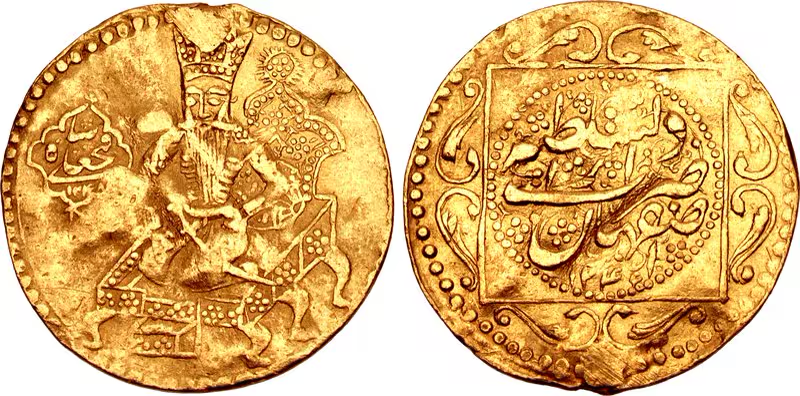
Isfahan remained one of the principal Qajar mints, continuing the Safavid tradition. Silver issues here carried the heaviest provincial production for the central Iranian plateau.
| Date | 1797–1834 CE |
|---|---|
| Ruler / issuer | Fath-Ali Shah Qajar |
| Mint | Isfahan |
| Metal | Silver |
| Era | Qajar Dynasty (1789 – 1925 CE) |
| Region | Iran |
Obverse and reverse
Obverse
Persian couplet praising the shah in elegant Nastaliq.
Reverse
'Zarb Isfahan' (Struck at Isfahan) with AH date.
Historical context — Qajar Dynasty
Qajar coinage introduced the Lion-and-Sun emblem, mechanised minting (1877), and the country's first banknotes (1890, Imperial Bank of Persia). Denominations: toman (gold), qiran (silver), shahi (copper).
Read the full Qajar Dynasty essay →Frequently asked
- What is the Fath-Ali Shah Silver — Isfahan Mint?
- Isfahan remained one of the principal Qajar mints, continuing the Safavid tradition. Silver issues here carried the heaviest provincial production for the central Iranian plateau. It was struck in 1797–1834 CE at Isfahan under Fath-Ali Shah Qajar.
- What metal and weight is it?
- Silver.
- What designs appear on it?
- Obverse: Persian couplet praising the shah in elegant Nastaliq. Reverse: 'Zarb Isfahan' (Struck at Isfahan) with AH date.