Seleucid Persia
Greco-Bactrian Tetradrachm of Euthydemus I
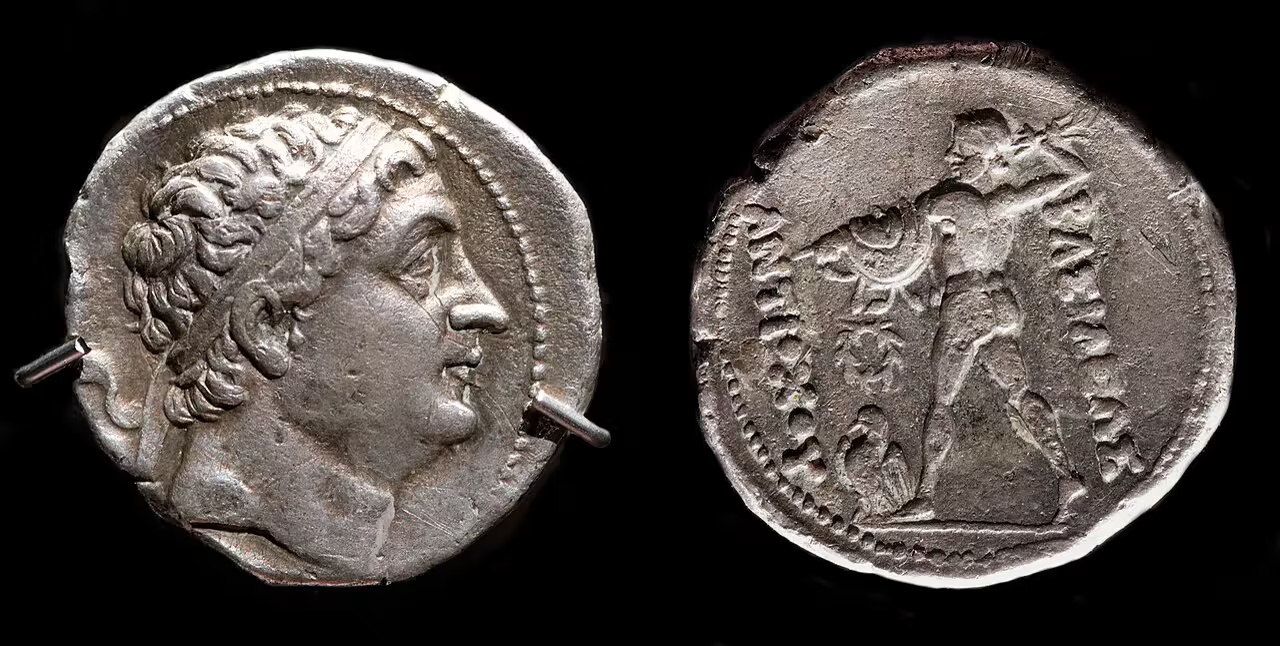
Withstood a three-year siege by Antiochus III at Bactra. His coinage is the high-water mark of Greco-Bactrian portrait engraving. Image: related Diodotid Bactrian tetradrachm.
| Date | c. 230–200 BCE |
|---|---|
| Ruler / issuer | Euthydemus I |
| Mint | Bactra |
| Metal | Silver |
| Weight | ~16.8 g |
| Era | Seleucid Persia (312 – 141 BCE) |
| Region | Iran, Mesopotamia, Bactria |
Obverse and reverse
Obverse
Realistic diademed portrait — among the finest of Hellenistic Asia.
Reverse
Herakles seated on rock, holding club; legend ΒΑΣΙΛΕΩΣ ΕΥΘΥΔΗΜΟΥ.
Historical context — Seleucid Persia
After Alexander's death, Seleucus I and successors struck Hellenistic tetradrachms across Persian mints — Susa, Ecbatana, Persepolis, Seleucia-on-the-Tigris.
Read the full Seleucid Persia essay →Frequently asked
- What is the Greco-Bactrian Tetradrachm of Euthydemus I?
- Withstood a three-year siege by Antiochus III at Bactra. His coinage is the high-water mark of Greco-Bactrian portrait engraving. Image: related Diodotid Bactrian tetradrachm. It was struck in c. 230–200 BCE at Bactra under Euthydemus I.
- What metal and weight is it?
- Silver, weighing approximately ~16.8 g.
- What designs appear on it?
- Obverse: Realistic diademed portrait — among the finest of Hellenistic Asia. Reverse: Herakles seated on rock, holding club; legend ΒΑΣΙΛΕΩΣ ΕΥΘΥΔΗΜΟΥ.