Sasanian Empire
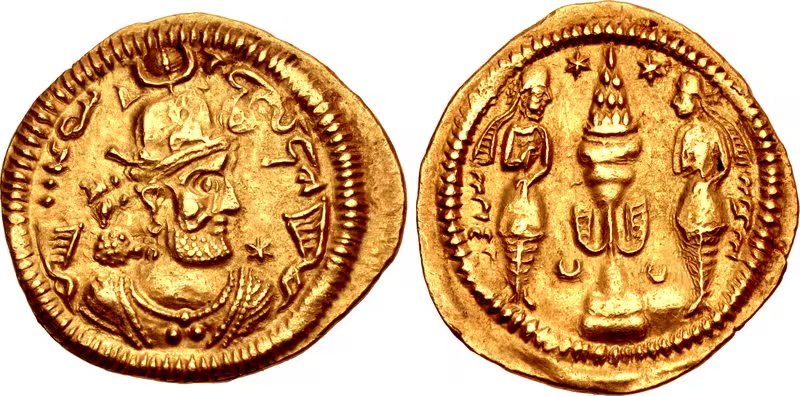
Bahram Chobin (Bahram VI) Drachm
A Sasanian general from the Mihran clan who briefly seized the throne from Khosrow II — the only non-Sasanian to rule Iran between Ardashir I and the Arab conquest. Khosrow II recovered the throne with Byzantine help; Bahram Chobin's coins were struck for barely a year.
| Date | 590–591 CE |
|---|---|
| Ruler / issuer | Bahram Chobin (usurper) |
| Mint | Susa |
| Metal | Silver |
| Weight | ~4.1 g |
| Era | Sasanian Empire (224 – 651 CE) |
| Region | Iran, Iraq, Caucasus, Central Asia |
Obverse and reverse
Obverse
Bust with crown of Bahram Chobin, regnal year 1 — a rare survival of a usurper's issue.
Reverse
Fire altar with attendants; Susa mint signature.
Historical context — Sasanian Empire
The Sasanians produced the most artistically consistent and historically informative ancient coinage: thin, broad silver drachms with the king's crown on obverse and a Zoroastrian fire altar on reverse.
Read the full Sasanian Empire essay →Frequently asked
- What is the Bahram Chobin (Bahram VI) Drachm?
- A Sasanian general from the Mihran clan who briefly seized the throne from Khosrow II — the only non-Sasanian to rule Iran between Ardashir I and the Arab conquest. Khosrow II recovered the throne with Byzantine help; Bahram Chobin's coins were struck for barely a year. It was struck in 590–591 CE at Susa under Bahram Chobin (usurper).
- What metal and weight is it?
- Silver, weighing approximately ~4.1 g.
- What designs appear on it?
- Obverse: Bust with crown of Bahram Chobin, regnal year 1 — a rare survival of a usurper's issue. Reverse: Fire altar with attendants; Susa mint signature.