Seleucid Persia
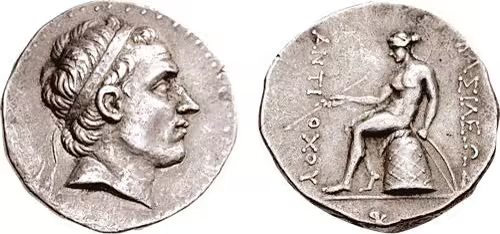
Antiochus VII Sidetes Drachm — Ecbatana
Last Seleucid push east — Antiochus VII briefly recaptured Media from the Parthians in 130 BCE before dying in battle at Ecbatana, ending Seleucid presence on the Iranian plateau.
| Date | 138–129 BCE |
|---|---|
| Ruler / issuer | Antiochus VII Sidetes |
| Mint | Ecbatana |
| Metal | Silver |
| Weight | ~4.1 g |
| Era | Seleucid Persia (312 – 141 BCE) |
| Region | Iran, Mesopotamia, Bactria |
Obverse and reverse
Obverse
Diademed bust of the king right.
Reverse
Athena Nikephoros standing left; mint monogram.
Historical context — Seleucid Persia
After Alexander's death, Seleucus I and successors struck Hellenistic tetradrachms across Persian mints — Susa, Ecbatana, Persepolis, Seleucia-on-the-Tigris.
Read the full Seleucid Persia essay →Frequently asked
- What is the Antiochus VII Sidetes Drachm — Ecbatana?
- Last Seleucid push east — Antiochus VII briefly recaptured Media from the Parthians in 130 BCE before dying in battle at Ecbatana, ending Seleucid presence on the Iranian plateau. It was struck in 138–129 BCE at Ecbatana under Antiochus VII Sidetes.
- What metal and weight is it?
- Silver, weighing approximately ~4.1 g.
- What designs appear on it?
- Obverse: Diademed bust of the king right. Reverse: Athena Nikephoros standing left; mint monogram.